Artificial intelligence in production
885 views
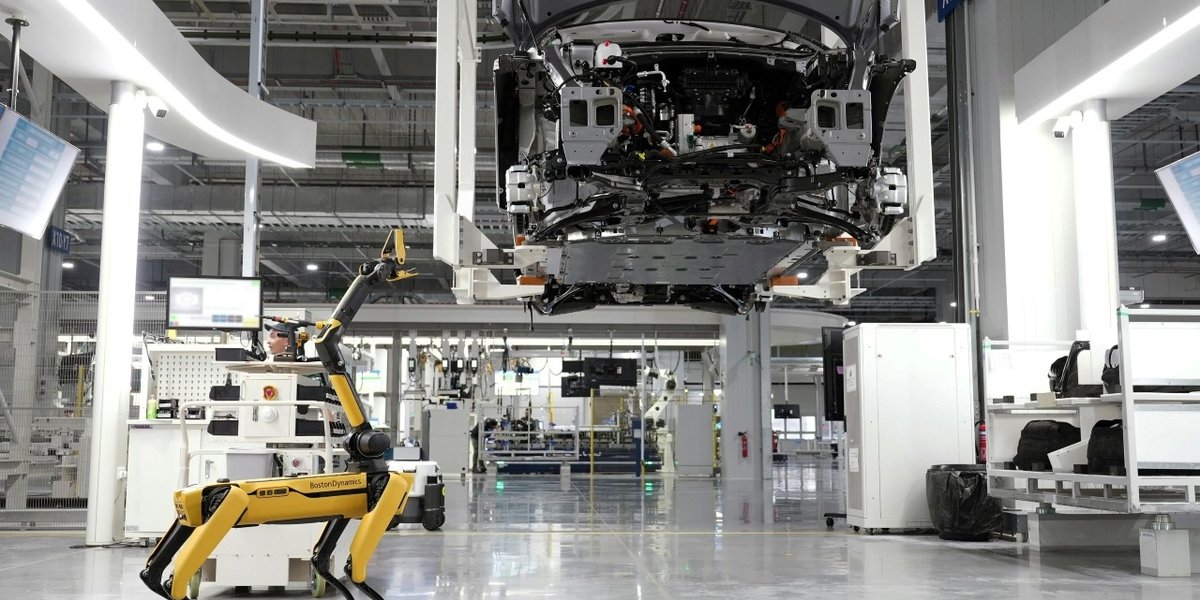
AI is the future of manufacturing, and companies that start using it today will be able to cement their market leadership tomorrow.
AI in manufacturing is the use of software algorithms, machine learning (ML) and data analysis to automate, optimize and improve production processes. Key AI tasks include:
- Demand forecasting and planningAnalysis of data to predict output.
- Quality controlAutomatic identification of product defects.
- Optimization of processes: increasing production efficiency.
- Maintenance of equipmentPrediction of breakdowns and preventive maintenance.
Main technologies and applications
1. Machine learning (ML)
- Analysis of big data to optimize processes.
- Building models for prediction and automation.
2. Computer vision
- Automatic quality control of products.
- Recognition of defects, for example, in assembly lines or packaging.
3. Robotics
- AI-powered robots are capable of performing complex tasks such as welding, assembly, and packaging.
- Collaborative robots (cobots) work side by side with humans.
4. Digital twins
- Creation of virtual copies of production facilities for testing and analysis.
- Reduce the cost of implementing new technologies.
5. Neural networks
- They are used for complex calculations, such as modeling of production processes.
6. Internet of Things (IoT) and AI
- Smart devices collect data about the state of the equipment.
- Using data to predict failures and improve productivity.
Examples of implementation
1. Automotive industry
- Toyota: It uses AI to forecast demand and manage inventory.
- Tesla: It uses AI to automate assembly lines.
2. Electronics
- SamsungQuality control of chips using computer vision.
- Foxconn: It uses AI robots to build smartphones.
3. Food production
- NestléQuality control of raw materials and finished products through machine learning.
- Coca-Cola: Optimization of formulations and forecasting of consumer demand.
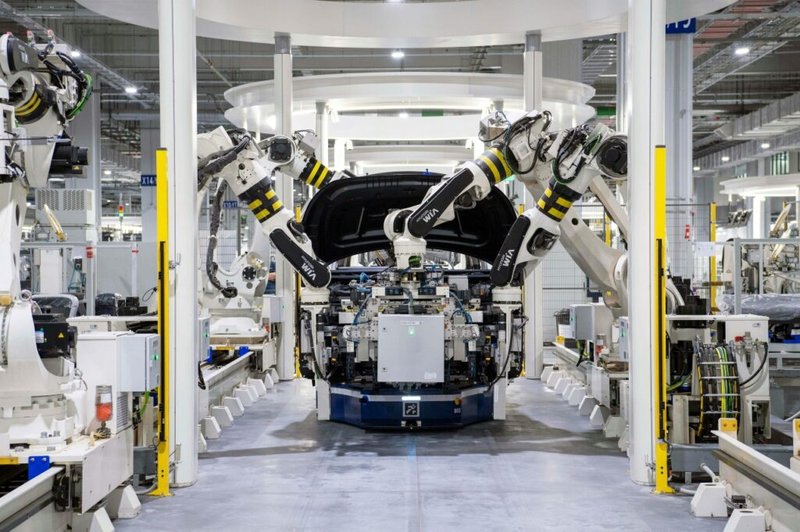
Advantages of using AI in production
- Improving product quality
AI provides automatic quality control at all stages of production. - Reducing costs
Optimizing processes and reducing the number of defects leads to resource savings. - Increased productivity
Robots and automated systems are able to operate 24/7 without reducing efficiency. - Forecasting malfunctions
AI allows you to identify potential equipment breakdowns in advance, preventing costly downtime. - Enhancing security
AI algorithms analyze potentially dangerous situations, minimizing risks for workers.
Challenges and challenges
- High implementation costs
Integration of AI requires significant investment in equipment and personnel training. - Lack of qualified professionals
Experts in AI and machine learning are needed. - Data security
Data collection and processing requires a high level of protection against cyber attacks. - Ethical issues
Job losses due to automation cause social strain.
Development prospects
- Increased automation
With the growth of computing power and the development of AI, many production processes will be fully automated. - Integration with 5G and IoT
High-speed data transfer will allow the use of AI in real time to control production. - Environmental friendliness
AI will help optimize resource use and reduce the carbon footprint. - Democratizing AI
Reducing the cost of technology will make it available to even small businesses.
Artificial intelligence in production opens up wide opportunities for optimization, automation and improvement of product quality. Despite the current challenges, its implementation will continue to accelerate, transforming the industry globally.
AI is the future of manufacturing, and companies that start using it today will be able to cement their market leadership tomorrow.