The Economics of Slowdown: A New Growth Strategy
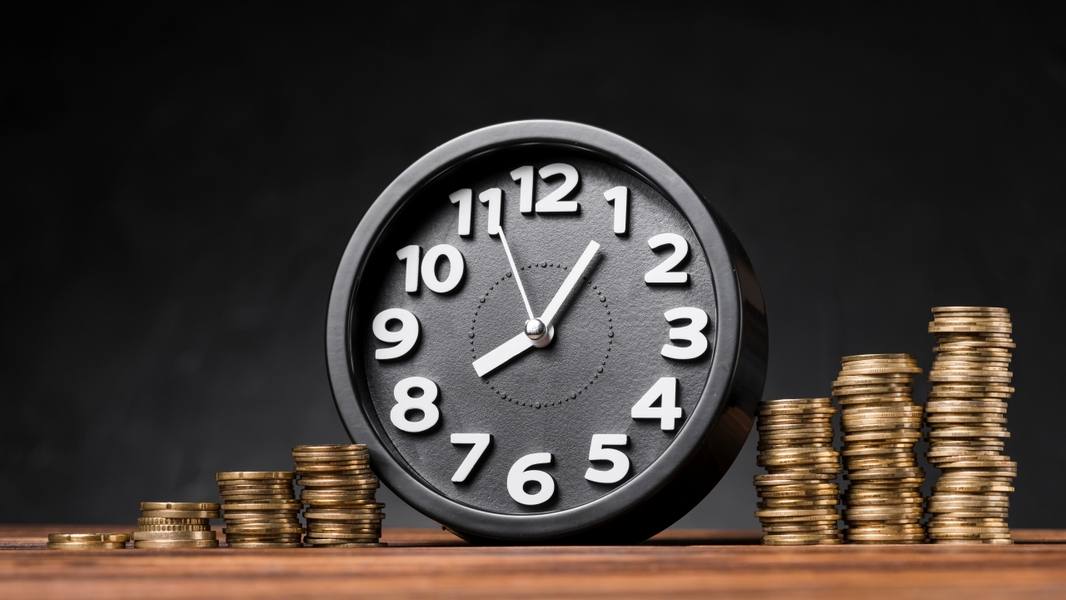
The business stops selling here and now and starts building a long-term customer relationship.
For a long time, the economy was built around one idea: grow faster, sell more, scale at any cost. Hyperconsumption has become the norm, and success is synonymous with expansion.
But this model started to falter. Crises, overheating markets, customer fatigue and business pressures have shown that endless growth does not equal sustainability. It is against this background that the term is becoming louder. The slowdown economy. Slow economy.
Slowing down here is not about stagnation. It's about rethinking what it is. What is considered growth?.
What is a slow economy (slow economy)
Slowdown economics is an approach in which priority shifts:
- from quantity to quality,
- from scale to sustainability,
- Fast selling for long-term value.
The term grew out of ideas. slow food. fashionableThen he moved into business and entrepreneurship.
Slow economy He does not deny profit, but sees it as the result of meaningful development, not as an end in itself.
Slow growth is a strategy, not a weakness.
How consumer behavior is changing
Today, more and more people are experiencing frustration. Buying “another one” is no longer satisfying.
It's replaced by:
- request for meaningfulness;
- interest in brand values;
- Loyalty to companies that have a position, not just a product.
It is important for the client to understand:
- who produced the product;
- where and how it is made;
- Why does this business exist?
That's how it forms. long-term loyaltyNot a one-off sale.
Business models of the slowing economy
Subscription instead of sale
The subscription model changes the very logic of the relationship. Business stops selling here and now and starts building Long-term contact with the customer.
This is about service, trust and reuse, not aggressive marketing.
Repair and reuse
Repair, Upcycle and Reuse – Key Elements circular economy.
The product lives longer, and the business earns not only on production, but also on maintenance.
Local production and customization
Local businesses win where giants lose flexibility.
Customization of products allows you to work in a deep niche, reducing competition and increasing value.
Ethical and transparent production
Ethical approach, clear supply chain and honest communication become competitive advantages. Trust becomes an asset.
Social entrepreneurship and sustainable development
Social entrepreneurship is an important part of the economic slowdown. This is not a charity, but a business that:
- creates jobs;
- Support local communities;
- It strengthens the regional economy.
A conscious brand builds into the environment, not squeezes resources out of it. This is why companies are often more resilient in times of crisis.
Why a Slow Economy is Beneficial for an Entrepreneur
The economic slowdown gives businesses several strong advantages:
- crisis resilience;
- less direct competition;
- Deep niche instead of racing with giants
- customers who stay for a long time.
Small business vs. giants win not by scale, but by meaning, flexibility, and customer proximity.
The difficulties of slow growth
Of course, slow business also has difficulties:
- growth pressure from investors;
- The need to explain the price to customers;
- A longer path to scaling.
To compete with giants, it is important for an entrepreneur to be able to value, not justifying the price. In a slowing economy, price is part of the product philosophy.
The economic slowdown and investment
The investment landscape is also changing. More and more attention is being paid to:
- conscious investment;
- Sustainable entrepreneurship;
- projects with a long-term development strategy.
ESG, impact investment, green economy are all elements of one process: Rethinking Business Success.
Practical steps for companies
If a business is thinking about moving to a slow economy, it is worth starting with a simple one:
- Audit the current business model.
- Identify brand values and core meanings.
- Rethink communication with customers.
- Building a chain of production and use more consciously.
- Answer the question: Why does this business exist?
Slowdown as a strategy for the future
The economic slowdown is not a rejection of growth. Slow growth strategyDevelopment is measured not only by revenue but also by sustainability.
In the next 5-10 years, the slow economy will not be an alternative, but a part of the economy. future.
Because the quickest wins are not the ones who understand. where and why they go.