Contrast of flour consumption: Russia’s mature market and growing demand in Asia and Africa
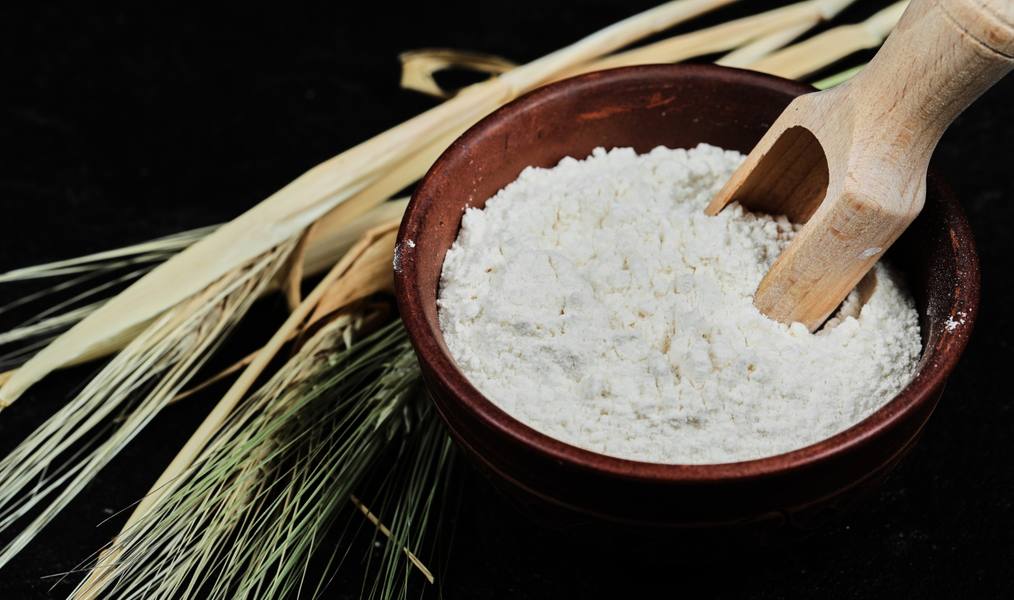
Globally, flour market continues to grow, but consumption patterns are changing
The global market of flour and flour products in 2025-2026 shows a sharp contrast of trends. In developed countries, including Russia, there is a stable flour reductionIn Asia and Africa, demand is growing.
According to global estimates, global flour consumption is increasing by an average of 5-6% per year and will continue to grow by 2030 due to demographic factors. However, Russia is getting out of this trend: Russians are eating less bread and flour products, which is reflected in the market, production and demand structure.
The key thesis is simple: Developing countries compensate for global consumption growthIt creates export opportunities for Russia, but at the same time creates new challenges for the Russian domestic market.
Trends in flour consumption in Russia
In Russia, the consumption of flour and bread has been declining for several years in a row. According to statistics, in 2025, flour consumption per capita amounted to about 60-70 kg per year, which is 2-3% less than a year earlier. From 2021 to 2025, the decline in the total consumption of bread and flour products is estimated at 10-15%.
This directly affects production: in 2026, a further decline in the production of flour and traditional flour products is expected. The Central Federal District remains the largest manufacturing region, but even there, the market is stagnating.
The reasons are obvious. Russians are increasingly choosing alternative products, reducing bread consumption. The impact of healthy eating, low-carb diets and lifestyle changes is growing. Additional pressure is exerted by rising wheat prices, processing costs and a decrease in real incomes of the population.
Afghanistan and Tajikistan: the opposite dynamic
Against the background of Russia, Afghanistan and Tajikistan show the opposite trend. In Afghanistan, the increase in flour consumption is due to a rapid increase in the population and a high dependence on bread as a basic product. Flour imports, including shipments from Russia, increased in 2025 and demand continues to grow.
Tajikistan is also showing growth. In 2025, flour production in the country increased, and bread consumption per person remains 2-3 times higher than in the Russian Federation. Urbanization, population growth, and limited access to alternative food products are generating sustainable demand.
Unlike Russia, where flour is losing ground, flour products remain the basis of food security for Afghanistan and Tajikistan.
Other developing countries in Asia and Africa
A similar pattern is observed in other developing countries. In Asia (Uzbekistan, Pakistan, India), flour consumption is growing by 5-8% annually. Urbanization increases the demand for ready-made flour products, fast food and bakery products. Imports of flour and wheat from Russia and neighboring countries are increasing by 10-20%.
Africa is becoming another growth driver. In countries such as Egypt and Nigeria, flour consumption is increasing by 6-10% per year due to demographic pressures. Flour exports to Africa and Asia grew by about 15% in 2025.
Overall, developing countries account for up to 60% of global flour demand growth by 2030.
Global flour market trends
Globally, the flour market continues to grow, but the pattern of consumption is changing. In developed countries, demand is falling due to the promotion of healthy diets, while in the developing world growth is supported by urbanization and the availability of flour products.
By 2030, global flour consumption may increase by 25-30% and approach 500 million tons. Asia and Africa will be key growth regions. At the same time, the market is increasingly taking into account climate risks, sanctions and supply chain instability.
Why consumption is falling in Russia and growing in Afghanistan
The reasons for the divergence of trends lie in different planes.
In Russia:
- the effect of healthy eating and reducing the share of bread in the diet;
- demographic decline;
- Rising prices and changing consumer habits.
In Afghanistan, Tajikistan and other developing countries:
- rapid population growth;
- Urbanization and limited choice of products
- The economic availability of bread as a basic source of calories.
Thus, the reason for the decline in demand in Russia - Food culture change and growth in Asia and Africa - Basic needs and demographics.
Economy: Import, export and production
Exports of Russian flour to Afghanistan in 2025 increased by 71%, despite a general drop in exports by 2-3 times due to competition with Kazakhstan. In 2026, export stabilization is expected at the level of 500-600 thousand tons.
Afghanistan remains the largest importer of Russian flour, buying hundreds of thousands of tons per year. Tajikistan, in turn, is increasing wheat imports while developing its own production.
For Russia, the growth in exports to Asia and Africa partially offsets the internal drop in demand and supports the market.
Forecasts to 2030
In Russia, further reduction of flour consumption by 5-10% is projected, and production may decrease to 8-9 million tons. In Afghanistan and Tajikistan, consumption is expected to grow by 10-15%. - +20% at the expense of the population.
Globally, the flour market will continue to grow, especially in developing countries. There are two possible scenarios: negative. - Increased climate risk and innovation - with the development of alternative flour and new forms of processing.
Conclusions and recommendations
The contrast between Russia and developing countries reflects profound global changes. Reduction of flour consumption in Russia - A mature market and lifestyle changes. Growth in Afghanistan, Tajikistan, Asia and Africa - The result of demographics and urbanization.
For Russia, this is a signal: the domestic market is shrinking, and exports are becoming a key driver. Innovation, diversification and adaptation to global demand will determine the future of the Russian flour market.