Invoices in international trade
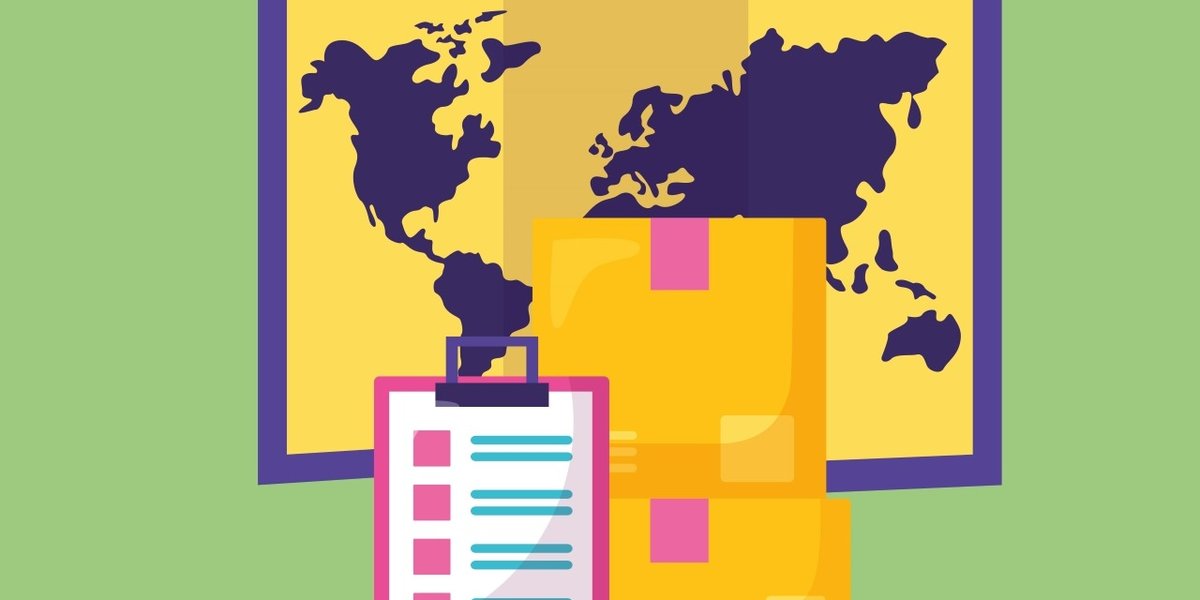
invoice It is a key document in international trade, reflecting the terms of the transaction between the seller and the buyer. Its proper design is crucial for compliance with legal, tax and logistics regulations.
In the article, we will analyze in detail what an invoice is, its functions, types, basic details, the registration process, as well as common errors and ways to prevent them.
What is an invoice?
Invoice (from English) invoice) This is a financial document that the seller issues to the buyer, fixing the conditions for the sale of goods or services. In international trade, the invoice has the status of a legal document confirming the obligations of the parties.
Invoice functions
- Financial
The invoice fixes the amount payable by the buyer and the terms of payment.
- Customs
It is used to calculate customs duties such as duties, VAT and excise duties.
- Legal
The document confirms the terms of the transaction, which is important in resolving disputes.
- Logistical
The invoice serves as the basis for the transportation of goods and can be part of a cargo package of documents.
Types of invoice
- Commercial Invoice (Commercial Invoice)
The main document confirming the sale of goods, containing information about the parties, the goods and the terms of the transaction.
- Proforma Invoice (Proforma Invoice)
Preliminary document provided before the actual shipment of the goods. Used to negotiate the terms of the transaction or obtain an import license.
- Credit Note (Credit Note)
Corrected invoice if the buyer is given a discount or the terms of the transaction change.
- Debit Note (Debit Note)
A document issued in case of additional costs incurred after the issuance of the main invoice.
- Customs Invoice (Customs Invoice)
Document for customs clearance, including information necessary for the calculation of duties.
Mandatory invoice details
The invoice should contain clear and complete information. Main elements:
- Details of the parties
- Name of seller and buyer.
- Legal addresses.
- Contact information.
- Description of the goods or services
- Name and quantity of goods.
- Unit of measurement (pc, kg, m3, etc.).
- HS code (commodity nomenclature of foreign economic activity).
- Cost
- Unit price and total cost.
- Currency of payment.
- Terms of delivery (Incoterms)
- Specify conditions such as FOB, CIF, EXW and others.
- Date and number of invoice
- Unique document number.
- Date of registration.
- Terms of payment
- Terms and methods of payment.
- Seller's bank details.
- Signatures and seals
- In international practice, seals are often optional, but the signature of the seller confirms the validity of the document.
How do I get an invoice?
Step 1. Data preparation
Gather information about the goods, the terms of the transaction and the parties.
Step 2. Selection of format
An invoice can be made in the form of a table or standard document, but it must be clear and structured.
Step 3. Use of templates
For convenience, you can use ready-made templates available in specialized programs (for example, 1C, SAP) or online services.
Step 4. Verification of data
Before sending to the buyer, make sure that the specified details are correct.
Frequent errors in the preparation of invoices
- Incorrect props
Errors in party names or bank details may delay payment. - Failure to specify delivery conditions
The lack of Incoterms leads to misunderstandings about who is responsible for transportation costs. - Errors in product description
Inaccurate data can cause problems at customs. - Inconsistency between documents
Inconsistency of data in the invoice and other accompanying documents (packaging sheet, bill of lading).
The Role of Invoices in International Trade
- For the seller
- Provides payment control.
- Confirm the terms of delivery and payment.
- For the buyer.
- It is the basis for calculating customs duties.
- It is used for accounting.
- For customs authorities
- Determines the value of the goods.
- Provides correct calculation of duties and taxes.
Tips for effective work with invoices
- Process automation
Using CRM and ERP systems simplifies the creation and control of invoices. - Coordination of transaction details
Before making an invoice, make sure that all conditions are agreed with the buyer. - Multilingual training
In international trade, it is recommended to make invoices in the partner language or in English. - Regular review of legislative updates
Invoices must comply with the requirements of the legislation of the countries participating in the transaction.
An invoice is an essential element of international trade, which ensures transparency of the transaction, serves as the basis for calculating duties and taxes, and plays a legal role in resolving disputes.
Proper registration of the invoice and its integration into business processes helps to minimize risks and optimize interaction with partners, customs authorities and tax authorities.