Customs procedures at terminals
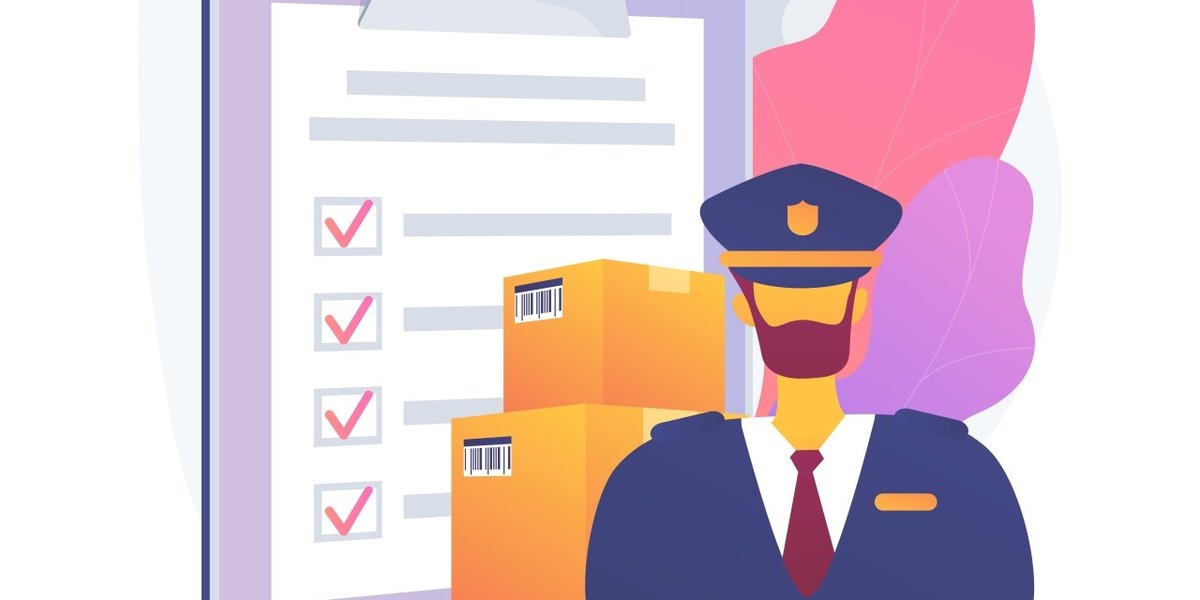
Customs terminals These are the key points in international trade through which all export-import goods pass. Passing customs can be a difficult process, if you do not take into account all its nuances. In this article, we will analyze the main stages of customs clearance, key documents, possible problems and ways to solve them.
The main stages of customs clearance
When exporting and importing goods through the terminals, it is necessary to undergo several mandatory procedures:
- Preliminary customs declaration
Before the cargo arrives at the terminal, a customs declaration must be submitted. This can be done electronically through customs systems (for example, through the Unified Automated Information System of Customs Authorities).
- Arrival of cargo at the terminal
The cargo passes primary control, where they check the compliance of documents and cargo. Selective inspections and scanning of containers can be carried out here.
- Customs inspection
Depending on the category of goods and the level of risk, one of the types of customs control can be carried out:
- Documentary verification
- Physical inspection of cargo
- Verification by scanners and other technical means
- Payment of customs duties
To release the cargo into circulation, all duties, taxes and fees must be paid. Rates depend on the HS code, country of origin and customs value.
- Release of goods
After the successful completion of all inspections and payment of payments, customs gives permission to export or import the goods.
Basic documents for customs clearance
Proper execution of documents is the key to the rapid passage of customs. Imports and exports usually require:
Mandatory documents:
- Customs Declaration (CD) - the main document containing information about the cargo.
- Contract and invoice – confirm the transaction between the buyer and the seller.
- Transport documents (bill of lading, CMR, air waybill) - prove the method of transportation.
- Payment documents confirm payment of goods and customs duties.
- Certificates of conformity and quality – if the goods are subject to mandatory certification.
- Documents of origin of goods (certificate form A, EUR.1) – for obtaining preferential rates of duties.
Additional documents (depending on the type of goods):
- Licenses and permits (for example, for drugs or weapons).
- Declaration of conformity.
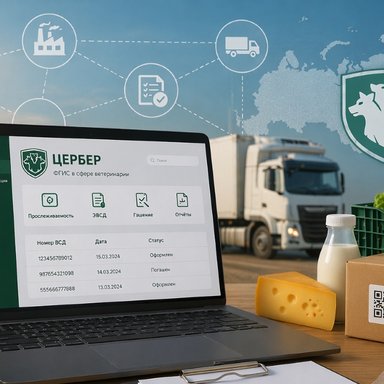
- Sanitary and veterinary reports.
Features of customs clearance of exports
Zero VAT rate
When exporting VAT is usually 0%, but it is necessary to confirm the fact of export of goods from the country.
Customs regimes
For export, you can choose different customs regimes, for example:
- Final Export – the goods leave the country without return.
- Temporary export - goods are exported temporarily (for example, for exhibitions).
- Re-export - return export of previously imported goods.
Currency control
Customs authorities control whether payment has been received for the exported goods, which is important for currency regulation.
Features of customs clearance of imports
- Payment of customs duties and taxes
Imported goods are subject to customs duties, including:
- Import duty - is calculated at the rate depending on the HS code.
- VAT is charged on customs value + duty.
- Excise duties – apply to certain types of goods (alcohol, tobacco, fuel).
- Phytosanitary and veterinary control
Some categories of goods (food, plants, animals) require additional control at customs.
- Product certification
For the import of certain goods, confirmation of compliance with the standards of the country of importation is required.
Possible problems in customs clearance and their solution
- Mistakes in the declaration
Decision: carefully check data before submitting documents, use the services of brokers.
- Deficiency of documents
Decision: Prepare a full package of documents in advance, take into account the requirements for goods.
- Delays at customs
Decision: monitor changes in customs legislation, use proven logistics companies.
- High customs charges
Decision: study tariff preferences, apply preferences and free trade agreements.
Passage of customs clearance at terminals It is a complex process that requires knowledge and training. It is important to study the rules in advance, prepare documents and take into account possible risks. Companies can use the services of customs brokers to simplify the procedure.
Knowledge of customs control features will help to avoid delays, reduce costs and speed up import and export operations.