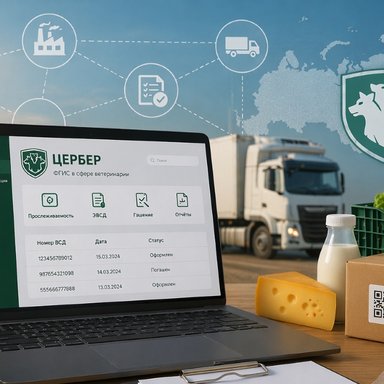
Marketing increases the efficiency of logistics processes

Marketing is traditionally associated with sales and customer acquisition, but its importance is much broader. In manufacturing companies, marketing can play a key role in improving logistics processes. In this article, we look at how marketing strategies and tools can improve logistics efficiency.
Market analysis and demand forecasting
One of the main tasks of marketing is to analyze the market and forecast demand. Accurate forecasts help a manufacturing company plan production volumes and inventory, which reduces the risk of shortages or excess inventory. This, in turn, reduces storage and transportation costs.
Examples of tools:
- Data analysis: Use data on past sales and market trends to predict future demand.
- Marketing research: Surveys, interviews, and other methods to obtain information about customer preferences and behavior.
Optimizing the supply chain
Marketing can help optimize the supply chain by ensuring close collaboration with suppliers and partners. This includes not only selecting reliable suppliers, but also developing strategies to improve communication and information sharing.
Examples of strategies:
- CRM systems: Customer relationship management systems that can be used to coordinate with suppliers and customers.
- Platforms for collaboration: Using digital platforms to exchange real-time data between all participants in the supply chain.
Stockpile management
Marketing can significantly improve inventory management by implementing strategies that help minimize storage costs and improve the turnover of goods.
Examples of strategies:
- Customer segment: Identifying key customer segments and adapting inventory levels to their needs.
- Loyalty programs: Using loyalty programs to encourage repeat purchases and increase the predictability of demand.

Logistics and advertising
Effective marketing campaigns can help optimize logistics processes through proper stock planning and sales. This allows you to prepare in advance for the increase in demand and optimize delivery routes.
Examples of approaches:
- Seasonal promotions: Plan marketing campaigns during periods of high demand for efficient resource allocation.
- Online advertising: Using user behavior data to accurately target and predict peak sales periods.
Technology implementation
Modern technologies such as artificial intelligence and the Internet of Things (IoT) can significantly improve logistics processes. Marketing plays a key role in identifying and implementing such technologies.
Examples of technologies:
- AI and Big Data: Analyzing big data to optimize delivery routes and inventory management.
- IoT: Using smart devices to monitor the status of stocks and vehicles in real time.
Marketing can significantly improve the efficiency of logistics processes in a manufacturing company. Through market analysis, supply chain optimization, inventory management, advertising campaign planning and the introduction of modern technologies, marketing helps create a more flexible and efficient logistics system. This leads to lower costs, improved customer service and increased company competitiveness.