Cold Chain from China: Transportation of Perishable Goods
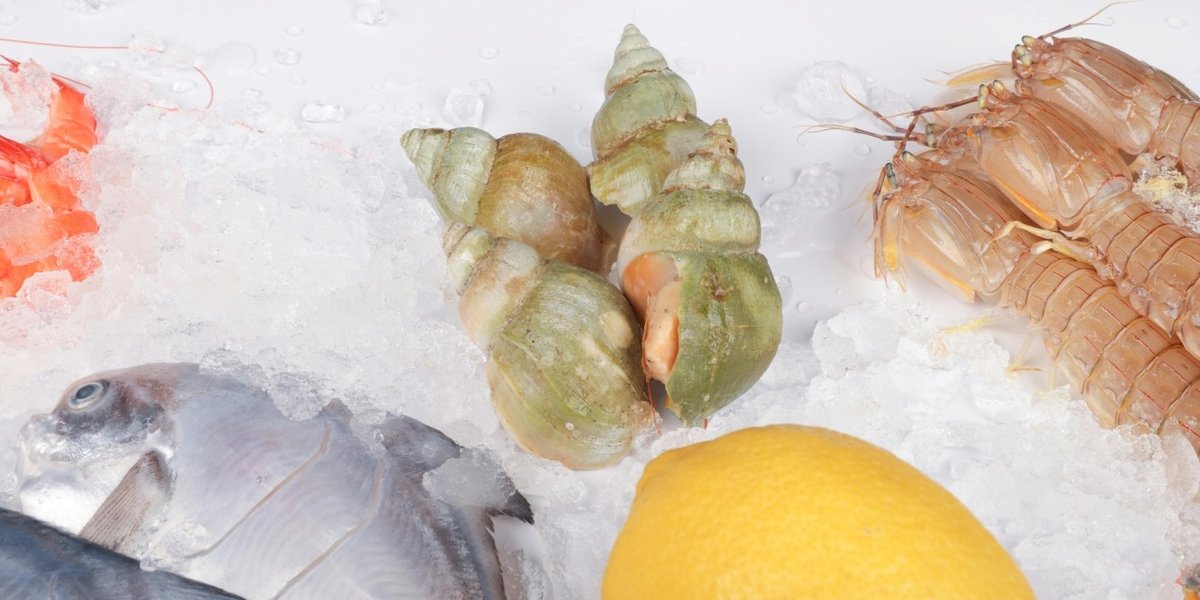
Globalization of trade and the growth of exports from China have led to the rapid development of international logistics, especially in the segment of perishable goods. Fruits, seafood, pharmaceuticals and bioproducts require strict temperature control at all stages of the journey. This is where the key role is played. cold-chain System of continuous maintenance of temperature from the manufacturer to the end user.
Despite technological advances, shipping perishable goods from China It remains a challenge with many challenges. Let’s look at what trends determine the development of this industry and what difficulties the supply chain participants face.
What is a cold chain?
The cold chain It is a set of processes, equipment and technologies that ensure the preservation of the desired temperature during transportation, storage and distribution of goods.
The main elements of the chain include:
- Refrigeration warehouses and terminals;
- transport with temperature control (refrigerators, containers, trucks, air pallets);
- sensors and monitoring systems;
- standards and certification (GMP, GDP, ISO, HACCP).
In the context of supplies from China, it is especially important to observe the continuity of this chain, because a violation of the regime even for a short time can lead to product spoilage and large financial losses.
China’s Cold Logistics Market: Growth and Digitalization
Rapid infrastructure development
China is actively investing in construction Refrigeration terminals and logistics centers in ports, airports and industrial zones.
According to analysts, the Chinese cold logistics market is growing on average. 15-20% a yearIt could be the largest in the world by 2030.
Digitalization and IoT
Current trends include implementation Internet of Things (IoT). temperature and humidity sensors. GPS monitoring systems and cloud platforms To track the cargo in real time.
For example, seafood exporters from Guangzhou can at any time find out where their container is, what the temperature is inside, and whether deviations have been recorded.
Green technologies
Transition to energy-efficient refrigeration. alternative refrigerants and solar panel becoming the norm. The environment is increasingly seen as a competitive advantage.
The main difficulties of the cold chain from China
Despite the dynamic development, market participants face a number of challenges. seriousness.
Infrastructure inequality
If in coastal regions (Shanghai, Shenzhen, Qingdao) the infrastructure meets international standards, then in the inland provinces. lack of refrigeration Still relevant. This causes chain breaks and risks to the safety of goods.
Customs and health barriers
Export of perishable goods requires a lot of certificates, inspections and approvalsespecially when supplying food or pharmaceuticals. Any delay at customs is a potential temperature violation.
Logistical complexity of multimodal transport
The route from China to Europe or Russia often includes multiple modes of transport: road delivery to the port, sea transportation, transshipment to the railway or aviation. At each stage, it is important to ensure a stable temperature, which requires careful coordination between operators.
High costs
Refrigeration containers, energy consumption, sensor calibration, service and insurance – all this makes cold logistics 30-40% more expensive normal transportation. For small businesses, this is often a barrier to export.

Development prospects and directions
Smart Logistics and Big Data
Major Chinese companies, such as SF Express and JD Logistics, are implementing artificial intelligence To forecast demand, optimize routes and prevent risks of regime disruption.
Cooperation with international operators
Joint projects with European and Russian logistics companies facilitate the exchange of experience and standardization of procedures.
Particular attention is paid to transit through Central Asia and Northern routes through RussiaIt is an alternative to the sea route.
Development of new crossings and routes
The key trend of recent years is development of land crossings and multimodal hubs on the routes of the New Silk Road.
Okay, crossovers Manchuria, Zabaikalsk, Alashankou and Khorgos They are the most important links in the cold chain between China and Russia/Europe.
Which transition to choose?
The choice of transition depends on the type of cargo and the logistics purpose:
- Alashankou - Dostykow Optimal for perishable products going to Kazakhstan and further to Europe.
- Manchuria - Zabaikalsk It is suitable for northern routes to Russia and Siberia.
- Khorgos - Altynkol A promising transit corridor for multimodal supplies.
Thus, the development of new transitions becomes Key to the Resilience of China’s Cold Chain.
The cold chain from China today is the High-tech, rapidly developing systemDigitalization and infrastructure projects play a crucial role.
Nevertheless, market participants will have to overcome many challenges, from the lack of refrigeration capacity in certain regions to the difficulties of multimodal transportation.
Development new transport crossingsreinforcement customs coordination introduction smart monitoring technologies This will be the key to improving the efficiency and reliability of the supply of perishable goods from China.
Cold logistics is not just transportation. It's Integrated ecosystem of trust and controlThe quality and safety of products crossing continents depends on it.