Impact of sanctions on logistics in Russia
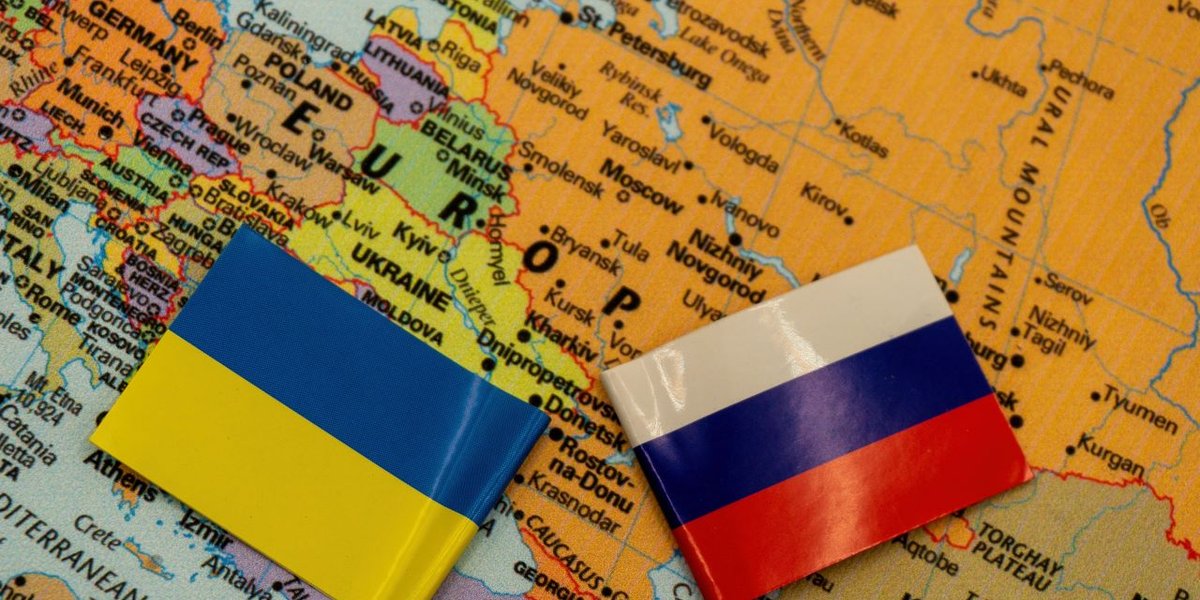
The imposition of sanctions against Russia in recent years has had a significant impact on the country’s economy, including a key sector – logistics. Logistics covering transportation, warehousing and supply chain management have come under pressure due to international restrictions. In this article, we look at how sanctions have affected logistics in Russia, including direct and indirect effects, as well as adaptation strategies and examples of specific changes in the industry.
Introduction to sanctions and logistics
Sanctions are measures of economic, political or other pressure applied by states or international organizations against other countries or organizations to achieve certain objectives. Logistics, in turn, is a comprehensive management of the flow of goods and information from production to the end user. The imposition of sanctions against Russia has led to changes in these flows and created new challenges for logistics companies.
Direct effects of sanctions on logistics
- Trade restrictions
Sanctions imposed by the United States, the European Union and other countries include a ban on the export and import of a number of goods. This has resulted in limited access to critical technologies, equipment and components. Logistics companies were forced to review routes and look for new markets for their services.
- Financial constraints
The ban on the use of the international payment system SWIFT for some Russian banks has made it difficult to conduct international financial transactions. This complicated the process of payment for goods and services, increasing the time and financial costs of transactions.
- Transport restrictions
The sanctions also include a ban on Russian ships entering ports in some countries and using airspace. This led to the need to change routes and increase transportation costs.
Indirect effects of sanctions on logistics
• Increased costs
Changes in routes, increased transaction time and the need for additional checks have led to increased logistics costs. Companies are forced to look for more expensive alternative ways to deliver goods.
• Breaking supply chains
Many Russian import-dependent companies have experienced supply disruptions. This affected manufacturing in various industries, including the automotive, engineering and pharmaceutical industries. Companies have been forced to look for new suppliers, often in more remote regions.
• Decreased investment
The unstable economic situation and the risk of new sanctions have made investments in logistics infrastructure more risky. This has led to reduced investment in modernizing warehouses, vehicles and other elements of the logistics system.
Mitigation adaptation and strategies
- Diversification of supply
To minimize the risks associated with sanctions, Russian companies have begun to actively diversify their supply chains. This includes finding new suppliers in Asia, Latin America and Africa. This diversification helps reduce dependence on countries that support sanctions.
- Development of local production
The development of local production has become one of the key strategies to reduce dependence on imports. The state supports such initiatives through subsidies and tax incentives. For example, the development of the production of agricultural machinery and equipment has reduced imports of these goods.
- Use of alternative financial systems
Companies have begun using alternative financial transaction systems, such as China’s CIPS system, to circumvent SWIFT’s limitations. This has improved international payments and reduced costs.
- Investment in logistics infrastructure
Despite the risks, some companies continue to invest in modernizing logistics infrastructure. This includes the construction of new warehouses, the purchase of modern vehicles and the introduction of digital technologies to manage supply chains.
Examples of the impact of sanctions
Automotive industry
Sanctions have limited the supply of components for the automotive industry. As a result, Russian automakers were forced to reduce production and look for new suppliers. This led to an increase in delivery times and higher prices for cars.
Oil and gas industry
Restrictions on the export of technologies and equipment for the oil and gas industry made it difficult to develop new fields and modernize existing ones. This has led to lower productivity and increased oil and gas production costs.
Food products
The sanctions affected food imports, which led to the need to develop local agriculture. Russia has increased its production of vegetables, fruits and meat products, which helped partially offset losses from import restrictions.
The sanctions have had a significant impact on logistics in Russia, creating numerous challenges for companies and public administration. Direct and indirect effects include rising costs, disrupting supply chains, and lower investment. However, Russian companies and the state are actively adapting to the new conditions, diversifying supplies, developing local production facilities and investing in the modernization of logistics infrastructure.
Effective logistics management under sanctions requires flexibility and innovative solutions. Companies that are able to quickly adapt to change and find new opportunities will be able to minimize the negative effects of sanctions and continue to operate successfully in a challenging economic environment.