Why global logistics depend on China
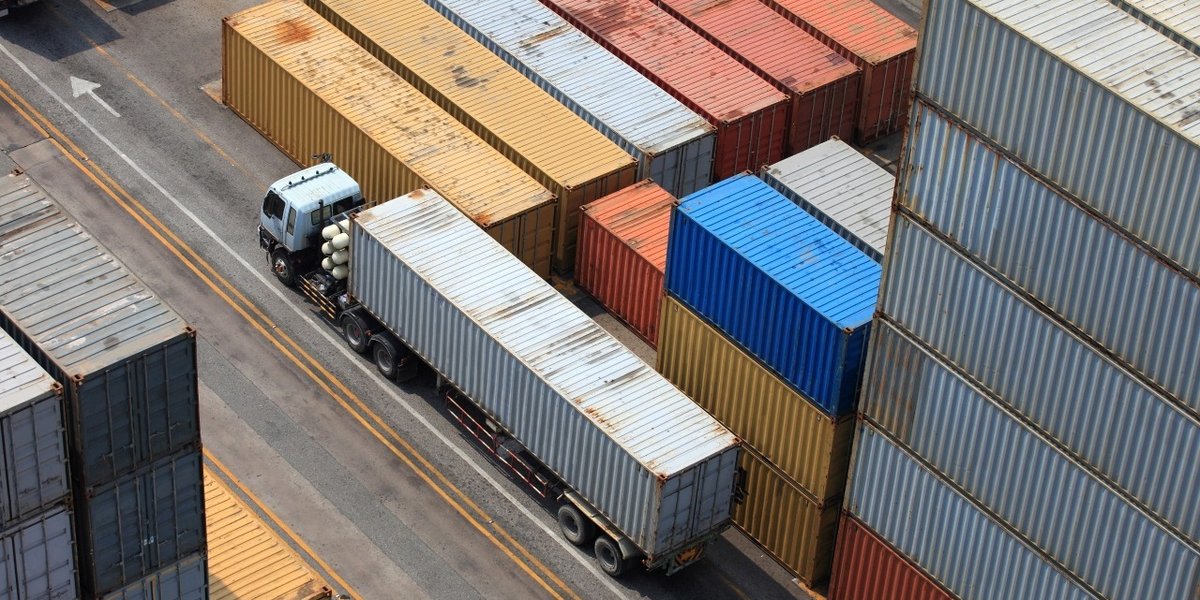
After the relaxation in trade policy between the United States and China, a sharp increase in activity is expected in the global container transportation market. This is especially true for trans-Pacific routes: American retailers increase purchases in ChinaThis leads to new records for container loading. This trend reaffirms China’s key role as a hub for the production and distribution of goods in global supply chains.
Global prerequisites for the container surge
- Easing trade restrictions between the US and China.
After many years of tension, the parties are gradually removing barriers, which creates conditions for the restoration of trade. - Increased consumption in the United States.
US retail chains are actively replenishing warehouses before the sales season, focusing on Chinese products - electronics, household appliances, clothing, furniture. - Accelerating economic activity after crises.
The post-pandemic recovery in demand and adaptation to geopolitical conditions have increased the need for rapid delivery and diversification of chains. - China as the “World Factory”.
Despite the growth of production capacity in other Asian countries, China remains the main player with a well-established system of production, logistics and exports.
China as a container shipping hub
Chinese ports are among the world’s largest transport hubs.
- Port of Shanghai The largest container port in the world, handling more than 47 million TEU per year.
- Ports of Shenzhen and Ningbo Zhoushan Key transit hubs for cargo to the United States, Europe and Southeast Asia.
- High automation. New terminals, such as those in Qingdao or Yangshan, use robotic cranes and autonomous trucks.
- Transport infrastructure within the country. A network of high-speed highways, railway corridors and multimodal hubs provides flexibility in delivery.
Unlike its competitors, China offers not only production facilities but also a comprehensive logistics ecosystem.
Main directions of container flows
- Trans-Pacific Route (China-USA)
- The busiest container fleet in the world.
- The main flow of goods: electronics, household appliances, clothes, toys, furniture.
- China is Europe.
- In addition to sea transportation, railway routes are actively developing under the Belt and Road initiative.
- Containers with high-margin goods (auto parts, machinery) are delivered faster than by sea.
- Regional transportation to the Asia-Pacific.
- Chinese cargo is redistributed through Singapore, Korea, Japan, Vietnam.
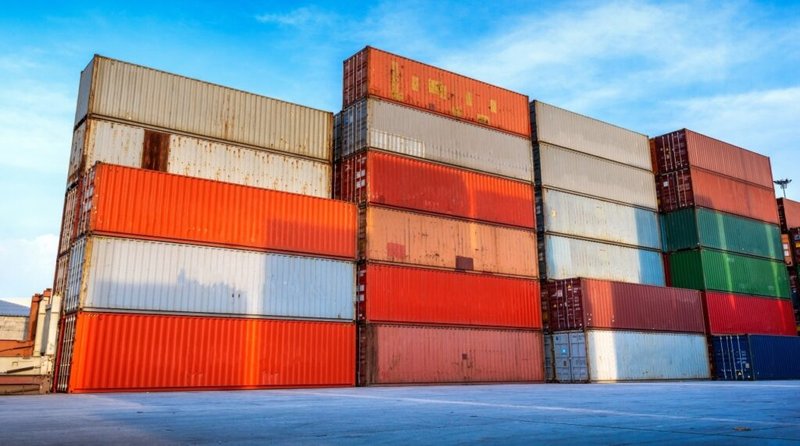
Logistical challenges amid surge in traffic
- Shortage of containers and seats on ships.
With a sharp increase in orders, carrying capacity may not keep up with demand. - Rising freight rates.
In the summer of 2024, rates for trans-Pacific routes have already risen 2-3 times, and the situation may recur. - Port overload.
Even automated terminals face peak loads, requiring capacity expansion. - Geopolitical risks.
Worsening conflicts in the Red Sea, sanctions policies or new tariffs could alter the balance of supply.
How China Maintains Leadership in Global Logistics
- Investment in infrastructure.
China invests billions of dollars annually in modernizing ports and railways. - Digitalization.
Implementing blockchain solutions, cargo tracking platforms, and AI stream forecasting systems. - Flexible production base.
The ability to quickly reconfigure supply chains and shift production between provinces. - State support for exports.
China is actively subsidizing container routes under the Belt and Road Initiative.
Business opportunities
- Planning logistics in advance.
With demand rising, companies must book seats on ships and containers months in advance. - Route diversification.
Increasing the share of rail deliveries from China to Europe helps to avoid port congestion. - Cooperation with Chinese logistics providers.
They provide access to internal infrastructure and optimize costs. - Container trading and warehouse services.
With the shortage of containers, new niches for business are emerging.
Container logistics as an indicator of the global economy
Container transportation remains the main barometer of world trade.
- A sharp increase in orders from the United States signals a recovery in demand for consumer goods.
- With a strong manufacturing and transport base, China continues to set the pace for global logistics.
- Investments in automation and multimodal hubs make the country not just a factory of the world, but a factory of the world. Global Flow Management Centre.
The “container surge” is not just a short-term trend, but an indicator of China’s long-term impact on the global economy. Even with the diversification of Southeast Asia’s production chains, it is China that remains. keynote. For import and export companies, it is important to adapt strategies: book logistics facilities in advance, use digital tools, and build partnerships in the Chinese logistics ecosystem.