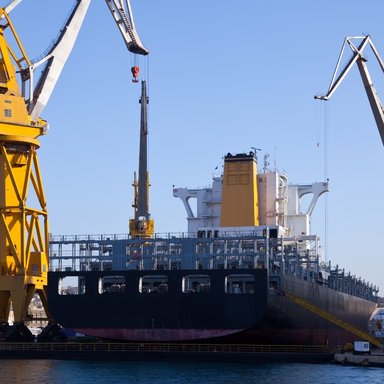
China's maritime logistics ports
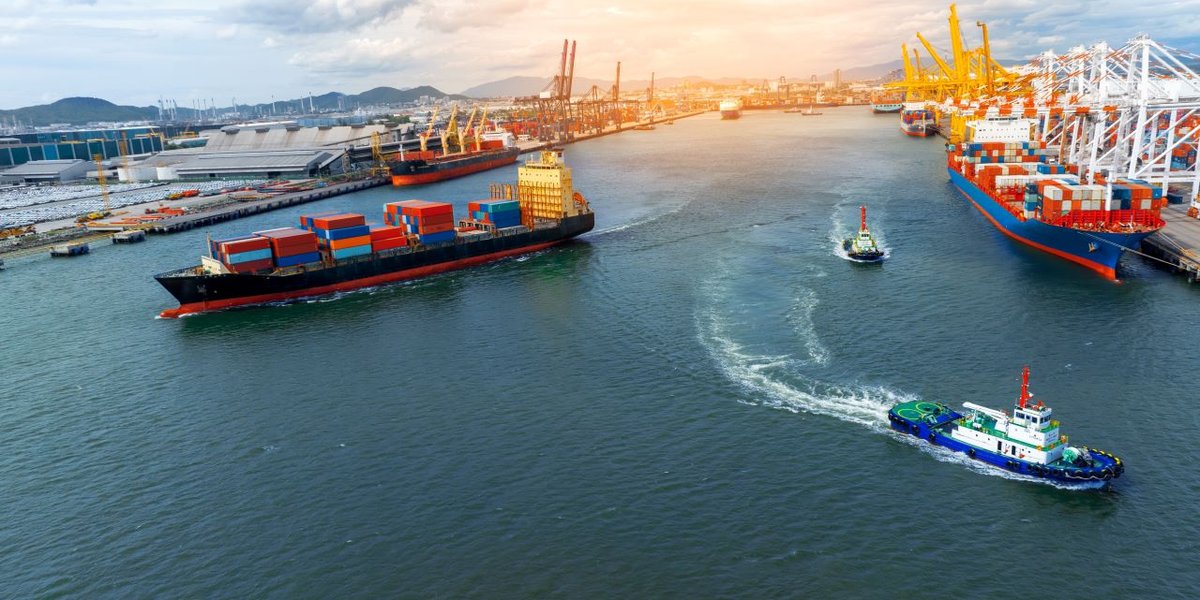
China is one of the world’s leading powers in maritime logistics and shipping. Its ports play a key role in global trade supply chains, ensuring the transportation of goods around the world. This article discusses the main seaports of China, their features, advantages and addresses, as well as general aspects of maritime logistics of China.
The importance of maritime logistics
Maritime logistics is the main transportation channel for China, given its vast coastline and strategic location. Approximately 90% of China’s international trade is carried out through sea lanes, highlighting the importance of ports and maritime logistics to the country’s economy.
Main directions
The main directions of Chinese maritime logistics include:
- Exports: China is the world’s largest exporter, and a significant portion of goods including electronics, textiles, machinery and equipment are shipped by sea.
- Import: Import logistics also plays an important role in ensuring the supply of raw materials, energy and food.
- Transit transport: Chinese ports are often used as transit points for cargo heading to other countries in Asia, Europe and the Americas.
Logistics infrastructure
China is investing heavily in the development of its logistics infrastructure, including:
- Port modernization: Constant renewal and expansion of port capacities, which allows handling more cargo and speeding up their processing.
- Transport corridors: The development of railway and road links with the interior regions and neighboring countries, which ensures the efficient movement of goods from production to the final consumer.
- Innovation and technology: Implementing automated cargo management and handling systems, using blockchain technologies to track cargo and improving logistics processes.
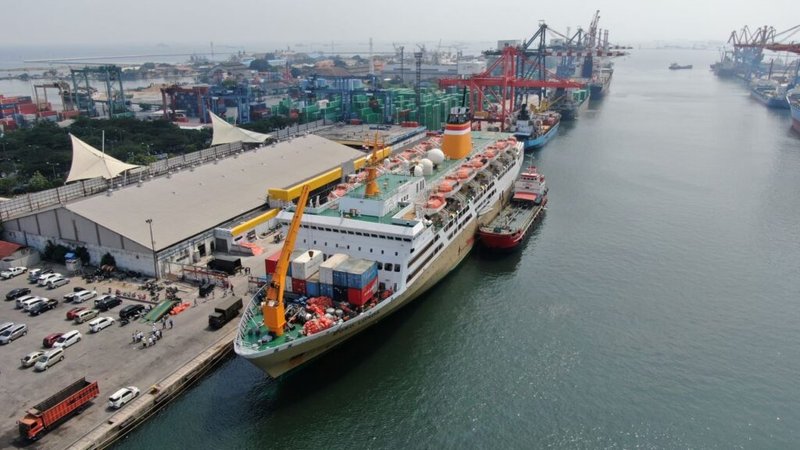
China's main seaports
1. Shanghai port
Address: Pudong New Area, Shanghai, China
Features:
Shanghai Port is the largest container port in the world.
Located on the shores of the East China Sea.
It has 125 berths and is capable of receiving vessels with a carrying capacity of up to 200,000 tons.
Advantages:
High capacity and efficient infrastructure.
Direct connection to the interior regions through a developed system of railways and roads.
Innovative technologies of cargo handling and automated control systems.
2. port Shenzhen
Address: Yantian District, Shenzhen, Guangdong Province, China
Features:
One of the fastest growing ports in the world.
- Includes several port zones such as Yantian, Shekou and Nanshan.
Specializes in container transportation.
Advantages:
Its proximity to Hong Kong makes it an important logistics hub for South China.
High degree of automation and modern equipment.
Direct sea lines to all continents.
3. Ninbo-zhoushan port
Address: Beilun District, Ningbo, Zhejiang Province, China
Features:
Formed by the merger of the ports of Ningbo and Zhoushan.
- One of the largest ports in terms of cargo transshipment.
- Serves both container and bulk cargo (oil, coal, iron ore).
Advantages:
Deep-sea berths capable of receiving supertankers and large container ships.
A wide network of railways and highways connecting the port with the interior regions of China.
Integration with free trade zones, which simplifies customs procedures and reduces logistics costs.
4. port guangzhou
Address: Nansha District, Guangzhou, Guangdong Province, China
Features:
One of the oldest ports in China with a rich history.
- Includes several port areas such as Nansha, Huangpu and Xinsha.
Plays a key role in transporting goods to and from Guangdong Province.
Advantages:
- Powerful infrastructure that supports high speed of cargo handling.
Excellent rail and road connections with industrial regions of China.
Constant updating and modernization of port equipment and technologies.
5. port qingdao
Address: Huangdao District, Qingdao, Shandong Province, China
Features:
One of the largest ports in Northern China.
- Specializes in container, bulk and general cargo.
It has modern container terminals and deep berths.
Advantages:
Direct connection with the economically developed regions of Northern China.
High efficiency in cargo handling due to modern technologies and automation.
The program of expansion and modernization of port capacities aimed at increasing capacity.
China’s seaports play a critical role in global trade and logistics. Thanks to the developed infrastructure, modern technologies and favorable geographical location, Chinese ports provide fast and efficient transportation of goods around the world. Each port has its own unique features and advantages that contribute to its high competitiveness in the international arena.
Thanks to its powerful port system, China continues to strengthen its position as a leading global logistics power.