Formation of production in stages
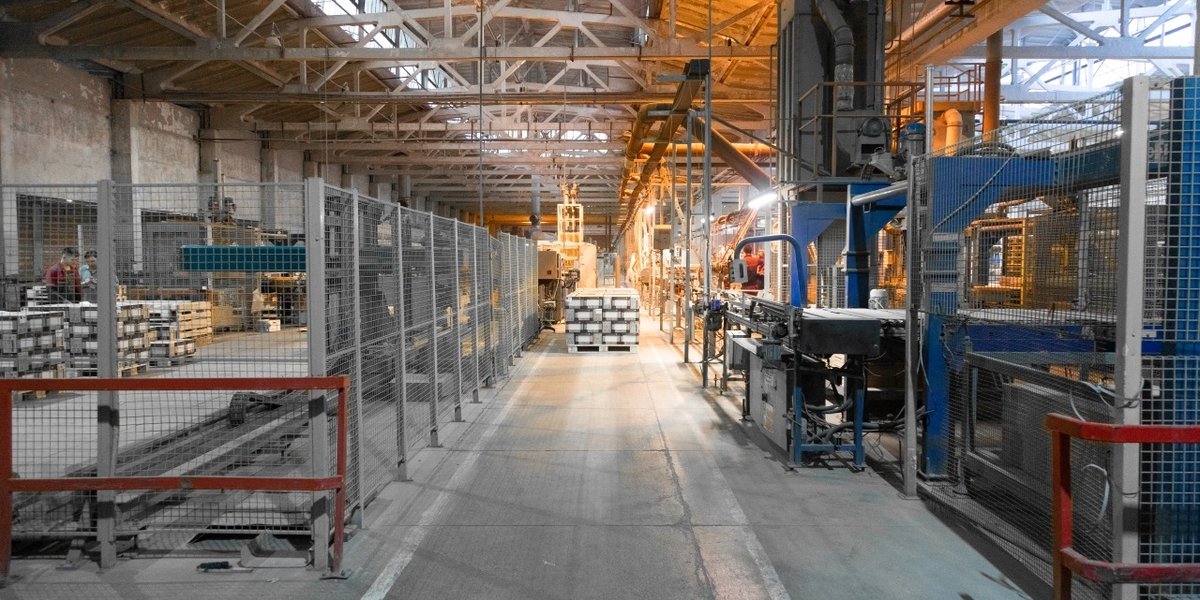
Opening a factory and starting production is a complex step-by-step process that requires careful planning and organization.
Phase I
Choosing the right area. It is important to take into account such factors as availability for the supply of raw materials and finished products, the availability of the necessary infrastructure and compliance with safety requirements. The potential to expand production in the future should also be considered. The right choice of area will be the basis for the successful launch of the factory.
Phase II
The second stage is the design and construction of the factory. After choosing the area, you should develop project documentation and obtain the necessary construction permits. The constructive solution of the building should correspond to the specifics of the products, as well as ensure the safety of workers and energy efficiency and water supply of the building. After completion of construction, the factory is accredited, including verification of compliance with all security systems.
Phase III
Purchase of equipment and materials. First of all, it is necessary to determine the required set of equipment, based on production needs. Then you should conduct a market analysis and choose reliable suppliers with optimal prices and product quality. Long-term contracts with suppliers are recommended to ensure supply stability. Alternative supply should also be considered in the event of problems with major suppliers. When purchasing materials, it is important to take into account their quality, compliance with safety standards and environmental requirements. Equipment and materials also require accreditation.
Phase IV
The fourth stage is the launch of production, which requires the organization and planning of processes. In this section, we will consider the main steps of this stage.
IMPORTANT: By the beginning of this stage, you should already have a brand, business plan and marketing strategy. The sales market, competitors, target audience, suppliers and logistics are analyzed.
Step 1. Definition of production goals and objectives. It is necessary to clearly formulate what products will be produced in the factory, what volumes and quality should be achieved.
Step 2. Development of a production plan. This step determines not only the volume of production, but also the sequence of operations, the allocation of resources over time, as well as the projected need for materials and labor resources.
Step 3. Staff selection and training. The factory must employ qualified and experienced personnel capable of effectively performing their duties.
Step 4. Development of technological maps for products. Prototype manufacturing. Examine it for compliance with quality standards.
Step 5. The output of the product to volume production. In the fifth stage, we bring products to the markets of persons selling goods or directly to our customers.
Sudden nuances
So that production does not have to close in one “beautiful” moment, it is important to be prepared in advance morally and financially for the risks of large business. Frequently encountered:
- Raising prices for raw materials under the already signed supply agreement.
- Staff turnover for a variety of reasons.
- Equipment breakdown.
- Unscheduled increase in rent for premises.
- Difficulties in interaction with the banking system, when banks do not miss payments promptly, sending them for additional verification.
Completion of the process of opening a factory and starting production requires not only precise compliance with the stages, but also high flexibility to adapt to possible changes. Successful production is not just about installing equipment and hiring staff, it is a constant process of risk management, strategic decision-making and quality control at every stage.
The most important thing is a systematic approach and continuous improvement of processes. The opening of the factory and the start of production is only the beginning of a long journey, which requires thoughtful strategies, flexibility and readiness for any challenges.