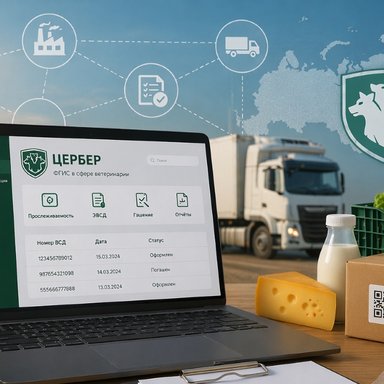
Quality control of agricultural products before export

Agricultural exports require strict quality control. The inspection begins at the stage of storage and processing and continues until the moment of shipment. This is important not only for compliance with international standards, but also for consumer safety.
Stages of quality control of agricultural products
1. Preliminary assessment of raw materials
Before preparing for export, an analysis of growing and storage conditions is carried out:
- verification of certificates from the manufacturer;
- study of crop history (region, variety, cultivation methods);
- Evaluation of storage and transportation conditions.
This allows you to exclude products with a risk of pest contamination or not meeting standards.
2. Sampling and laboratory studies
At this stage, specialists take samples of products according to strict rules:
- The sample is taken from each batch according to established standards;
- samples are hermetically packaged and marked;
- The laboratory conducts research:
- humidity of grain or other products;
- the presence of mycotoxins, pesticides, heavy metals;
- microbiological indicators;
- organoleptic assessment (appearance, smell, taste).
3. Phytosanitary control
Phytosanitary inspection is aimed at identifying quarantine pests, plant diseases and other risks.
- carried out by the Rosselkhoznadzor inspection or accredited organizations;
- formalized phytosanitary certificateconfirming the safety of products for importation into another country;
- Packaging materials are checked for pests (especially for wood containers).
4. Certification of compliance with the standards of the importing country
Each country has its own requirements. For example:
- China has a strict control system for mycotoxins and pesticides.
- EU countries require compliance with HACCP and ISO standards;
- Arab countries may require halal certificates for certain products.
The exporter must provide documents for each consignment, including certificates of origin, phytosanitary documents and test reports.
5. Verification of transport and packaging conditions
The quality of the product depends largely on how it is transported:
- specialized containers and containers are used;
- for grain – control of humidity and ventilation during transportation in holds or wagons;
- for vegetables and fruits – temperature control and protection from damage.
Before loading, inspectors check the cleanliness and suitability of the vehicles.
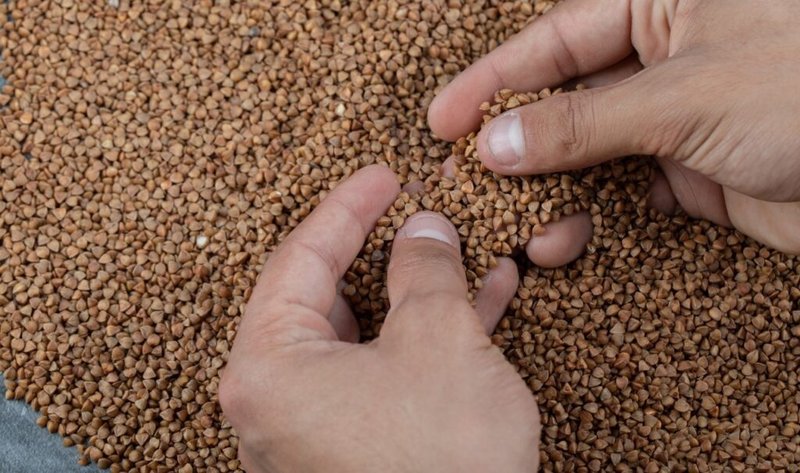
Documents issued during quality control
- Laboratory test protocol - records the results of the analysis.
- Phytosanitary certificate Confirms the absence of quarantine pests.
- Certificate of origin certifies the region and the manufacturer.
- Certificates of conformity with the standards of the importing country ISO, HACCP, GMP and others.
- Party quality certificate issued by an exporter or an accredited body.
Role of independent examination
Independent inspection companies (e.g. SGS, Bureau Veritas, Cotecna) are often involved for large export shipments. They:
- carry out inspection of goods before shipment;
- perform laboratory tests in international accredited centers;
- issue a conclusion on compliance with the standards of the importer.
This increases the confidence of foreign buyers and reduces the risk of refusal at the border.
Border control of the importing country
Even if all documents are available, the batch can be checked again:
- Selective inspection and laboratory tests are carried out;
- the correctness of labeling and documentation is checked;
- If violations are detected, the cargo can be returned or destroyed.
Importance of quality control for exporters
- Improved reputation of the companyReliable supplies form the trust of partners.
- Reducing financial risksNo fines, delays and returns of goods.
- Access to premium marketsCountries with high demands pay more for guaranteed quality.
- Competitive advantageQuality products are easier to promote in new markets.
Quality control of agricultural products before export is a multi-stage system, including sampling, laboratory tests, phytosanitary inspections, certification and logistics control. Only an integrated approach guarantees the safety and competitiveness of goods in the world market.