Expert Living Long in China: Experiences, Pros, Cons and How the Country Has Changed Since 2010
Ni hao, friends!
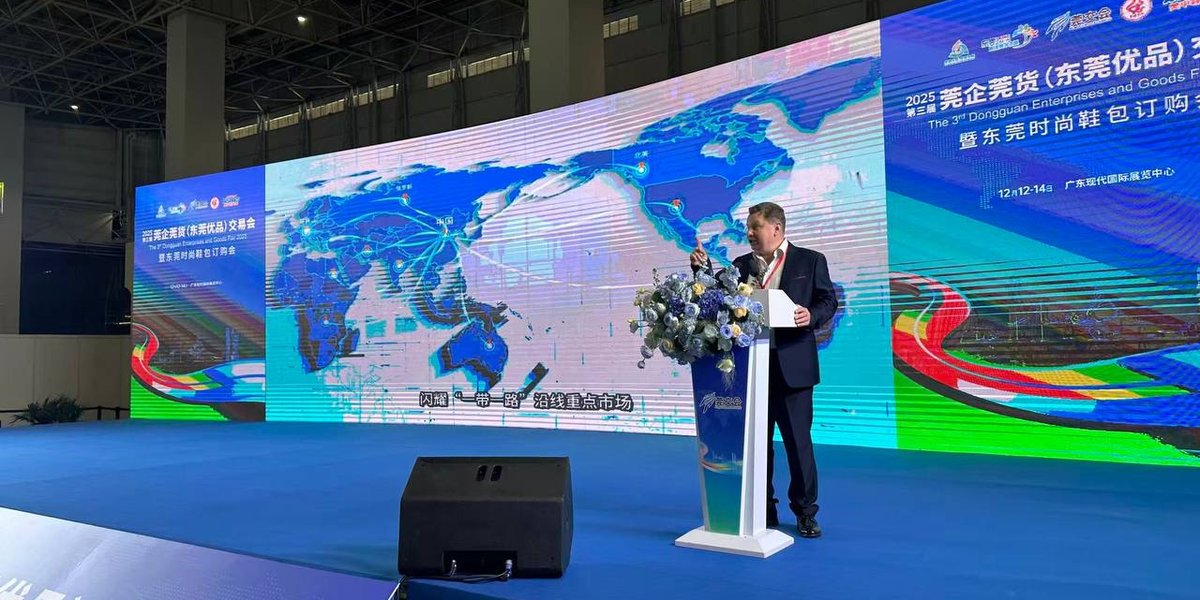
My name is Sergey Gatilov, and since 2010, China has become a part of my life: a place to work, grow, find opportunities and understand myself. Over the years, I have lived in Beijing, Foshan and Guangzhou, immersing myself in culture, language, business and everyday life.
For 14+ years, I have seen the country change – rapidly, sometimes unexpectedly, but always spectacularly.
Today I want to talk about the long life in China: its pros, cons and the changes that have taken place since my first day here.
How it all started.
In 2010, China was very different.
Beijing, where I lived at the time, combined old hutongs, the smell of roasted kebabs on coals, chaotic streets and a sense of immense growth. It was a country that was just beginning to show the world the enormous potential it had.
I came to learn the language, to work, to observe and to immerse myself in the culture, and I had no idea that China would become my second home.
The benefits of living in China that you feel every day
1. Level of comfort and technology
What seems like the norm today – mobile payments, 20-minute delivery, all-in-one services – was fantastic back in 2010.
Today in China you can live almost without a wallet, without queues and without papers. Everything from a taxi to a doctor’s appointment works through a smartphone.
2. Security
Especially in big cities. China is one of the safest countries where you can walk at night, leave your phone on the table and not worry about your children. In 14 years, I have never faced robbery or street aggression.
3. A mentality that you only understand with time
The Chinese are hardworking, calm, respectful, and love order and stability.
If you understand their rules, working and living close to them becomes very comfortable.
4. Business opportunities
China is the global factory of the world.
Here you can find everything from clothing to complex equipment, open a company, build logistics, establish stable supplies.
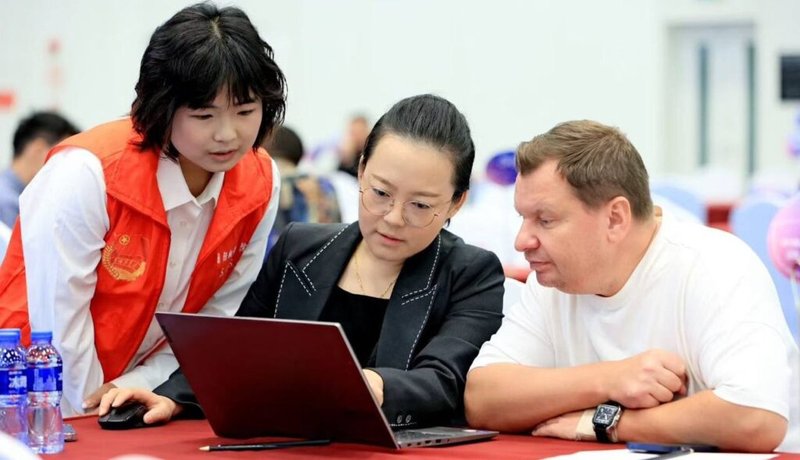
In Guangzhou, I started my own business and participated in major events, and each new task opened new horizons.
5. Kitchen and culture
Food in China is a separate universe, from Cantonese delicacies to street snacks.
And culture and traditions are deep, multilayered and surprisingly logical, if you immerse yourself in them not as a tourist, but as a resident.
But there are downsides. - truthfully
1. Language barrier
Even at a good level, Chinese dialects, slang, and speech speed can be challenging.
In 2010, almost no one spoke English. Today it is a little better, but in everyday situations language is still necessary.
2. Bureaucracy and the “rule system”
China lives by its own laws.
Visas, registration, banking issues, documents – all this requires patience and knowledge of nuances.
3. mentality - He's a plus, he's a minus.
If it is not understood, it is possible to face unpredictable reactions, “indirect responses”, rejection without refusal and protracted approvals.
You can’t push, rush or raise your voice – it doesn’t work.
4. Urban congestion
Beijing, Guangzhou, Shenzhen are megacities with a huge number of people.
Crowds, traffic, crowded subways – sometimes it’s exhausting.
5. Environmental differences
In 2010, smog was the norm in Beijing. Today it is better, but the environment is still not the strongest plus of the country.
How China has changed since 2010: my observations
China in 2010 and China today are two different countries.
1. Technological leap
Then:
- cash in each pocket;
- push-button phones;
- slow services.
Today:
- WeChat is a passport, wallet, business card and mini-universe.
- Delivery is done faster than we can open the door.
- Almost everything is completely digitalized.
2. Development of infrastructure
High-speed trains, subways, new airports, bridges, hotels.
What appeared in 10-12 years, in other countries would be built for decades.
3. A new way of life
China has become much more modern, bright and stylish.
Young people wear fashionable clothes, visit coffee shops, travel.
Cities have become cleaner, more comfortable and more aesthetic.
4. Business has become global.
Factories, logistics, cargo, B2B – everything became more organized and transparent.
Working with Chinese suppliers today is easier, but there are still many nuances.
5. Changing attitudes towards foreigners
In 2010, there were few foreigners, and every "laovai" was an event.
Now the attitude has become calmer, more respectful and more pragmatic.
What gives a long life in China
These years have been a great school for me.
- I learned the language and understand the Chinese logic of communication.
- I saw the business from the inside, from the factory to the customer.
- Learned to negotiate with suppliers in Chinese, not European;
- Understand how logistics, cargo, translations, quality checks work;
- It has adapted to life in cities from Beijing to Guangzhou.
I learned to be a bridge between cultures.
Why do I keep living here?
Because China has become part of my story.
The place where my children grow up, where my friends live, where I create projects and help people discover new opportunities.
I know this market, this country, and this culture from the inside out, and that’s why I can be of use to those who want to work with China with confidence.
Expert contact:
Gatilov Sergey Ivanovich - Holiday Int. Ltd. (PRC)
Phone/WeChat: +86 18211220886
WhatsApp/Telegram: +7 9399161022
Mail: gatilove@mail.ru