Why do you need a customs broker?

Customs broker plays a key role in the process of international trade. This is a specialist who helps businesses manage customs procedures, ensuring that goods meet all legal requirements. The work of a customs broker is especially important for companies that regularly export and import goods, as failure to comply with rules and procedures can lead to delays at the border, fines and additional costs.
The main functions of the customs broker
- Consultations on customs matters: The broker provides advice on regulations and requirements to be observed when crossing the border. It helps to determine the correct tariff codes and taxes, minimizing the risk of errors.
- Preparation and submission of documents: The customs broker is responsible for preparing all necessary documents for customs clearance, including commercial invoices, packages of transport documents, certificates of origin and other permits.
- Optimization of customs payments: Brokers help determine the best ways to optimize customs payments, including the use of preferential tariffs, which can significantly reduce overall import and export costs.
- Representation in customs authorities: The broker acts as a representative of the company in relations with customs authorities, resolving emerging issues and protecting the interests of his client.
- Risk management: Brokers assess and minimize the risks associated with violations of customs rules, for example, the risks of refusing to pass goods across the border or the risks of receiving fines for improperly executed documents.
- Verification of compliance with standards: Brokers help ensure that products meet all the necessary requirements and standards in the target market, such as product certification or environmental compliance.

Why does a business need a customs broker?
- Reducing the risk of delays: Errors in customs documents or inconsistency of goods with legal requirements can lead to delays at the border. A customs broker prevents these errors by ensuring timely delivery of goods.
- Saving time and resources: Companies with no experience in customs matters can spend a lot of time and resources learning all the nuances. The broker takes over all this work, allowing the business to focus on its core tasks.
- Compliance with the law: Customs laws and regulations can change, and without proper monitoring, a company can easily miss important updates. A customs broker monitors all changes and helps businesses stay within the law.
- Cost optimization: Thanks to the knowledge of various programs, agreements and tariffs, the broker helps the business to minimize customs costs, finding the most profitable solutions.
- Professional support in difficult situations: In case of problems at the border, the broker acts as an intermediary between the company and the customs authorities, offering solutions and eliminating obstacles.
Examples of situations where a customs broker is particularly important
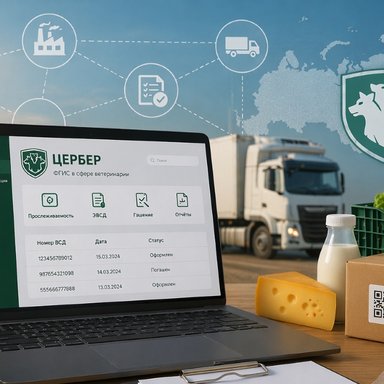
- Import and export of complex goods: For example, goods requiring special permits or certification (medical equipment, chemical products, food products).
- Large volumes of supplies: Companies that engage in mass import or export face high levels of liability and risk, and the broker helps manage the process effectively.
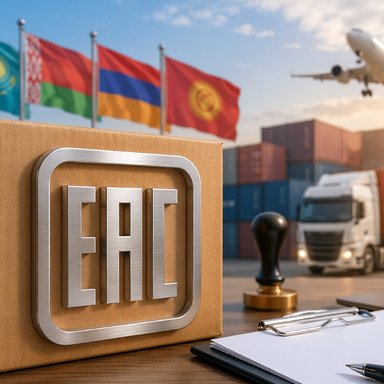
- International transactions involving several countries: If the goods pass through several countries with different customs rules, the broker helps to properly arrange the transit and comply with all requirements.
A customs broker is an important element of any international trading activity. It ensures compliance with all regulatory requirements, minimizes risks and optimizes customs clearance costs. In the context of constantly changing rules and requirements in international markets, the customs broker becomes an indispensable assistant for businesses seeking to operate successfully in a global environment.