Aviation, railway and maritime agent
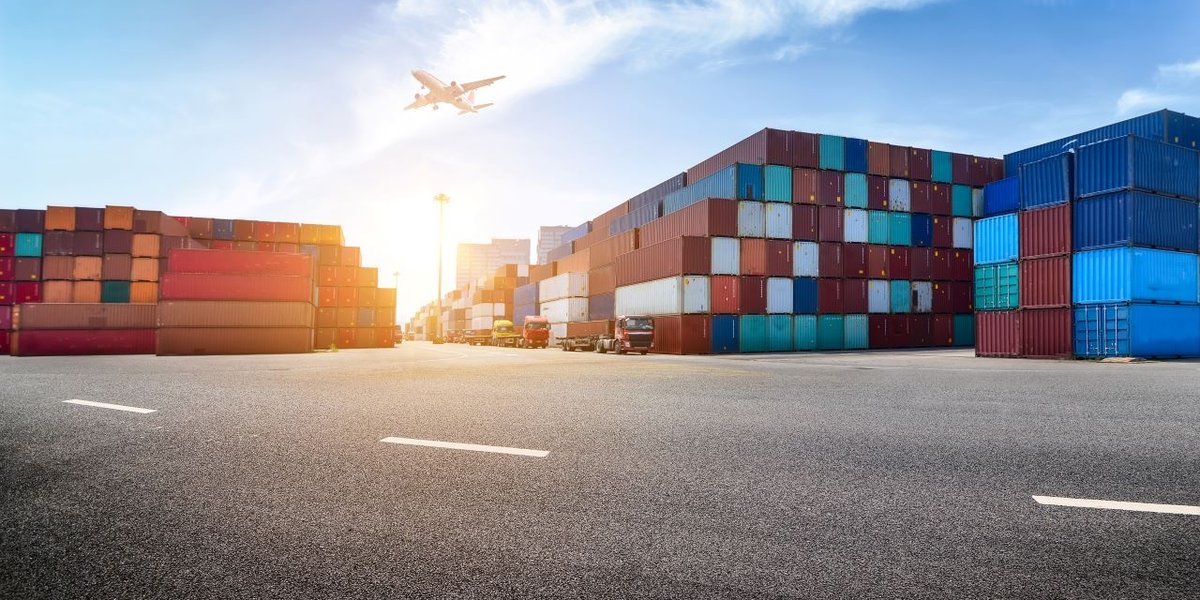
Logistics is a complex process involving various vehicles such as aviation, railway and maritime transport. Aviation, rail and maritime agents play an important role in ensuring the smooth operation and delivery of goods. These professionals coordinate and manage the transportation process, ensuring the accuracy, timeliness and safety of delivery of goods. In this article, we will look at their role, functions and features of work in the logistics chain.
Aviation Agent in Logistics
- The role of an aviation agent
The aviation agent is responsible for coordinating and managing air freight. In a globalized economy, air transport plays a key role in the delivery of urgent and high-value goods. They ensure the rapid movement of goods between countries and continents.
- The main functions of an aviation agent
- Air travel booking: The agent is engaged in flight planning and booking cargo on airliners.
- Documentation: Preparation of necessary documents, including air waybills, certificates of origin and customs declarations.
- Consolidation of cargo: Service to combine several consignments for shipment on one flight.
- Route optimization: The agent analyzes and selects the most efficient routes and airlines to deliver cargo at minimal cost.
- Interaction with customs: Provides customs clearance to avoid delays at the border.
- Advantages of Air Transportation
- Delivery speed: The fastest mode of transport, especially for international transport.
- Safety: High safety standards for valuable and urgent cargo.
- Global accessibility: Delivery to anywhere in the world through international airports.
Railway Agent in Logistics
- Role of the railway agent
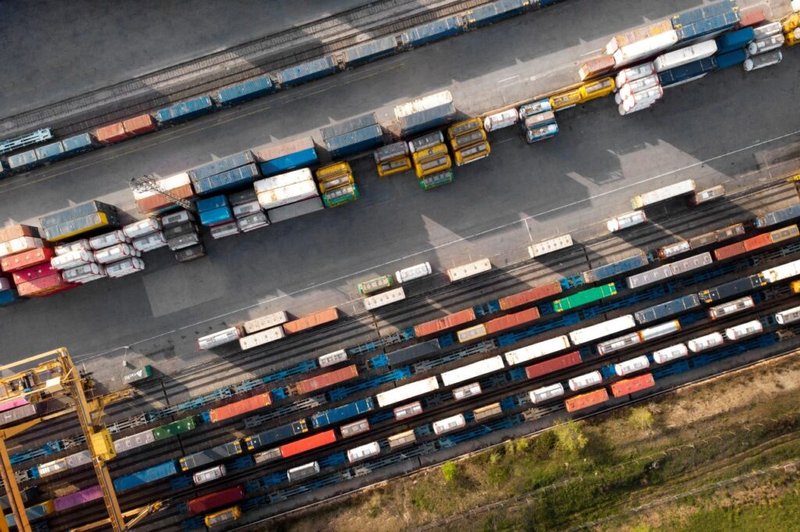
Rail transport remains an important element of logistics, especially for large cargoes that travel long distances within continents. The railway agent is responsible for organizing such transportation, including routing, loading and delivery control.
- The main functions of the railway agent
- Organization of railway transportation: The agent develops logistics schemes and plans to transport goods by rail.
- Load optimization: Control over loading and distribution of cargo into containers and wagons for maximum efficiency.
- Documentary support: Preparation of railway invoices and ensuring legal cleanliness of goods.
- Cargo tracking: Rail agents provide monitoring and inform the customer about the location of the cargo at all stages of transportation.
- Work with railway terminals: Coordinate with railway stations and terminals to minimize downtime and delays.
- Advantages of rail transport
- Economy: The cost of transportation of bulky goods by rail is lower than when using other modes of transport.
- Environmental: Rail transport has a lower carbon footprint compared to road or aviation.
- Reliability: Stability of movement and minimal dependence on weather conditions.
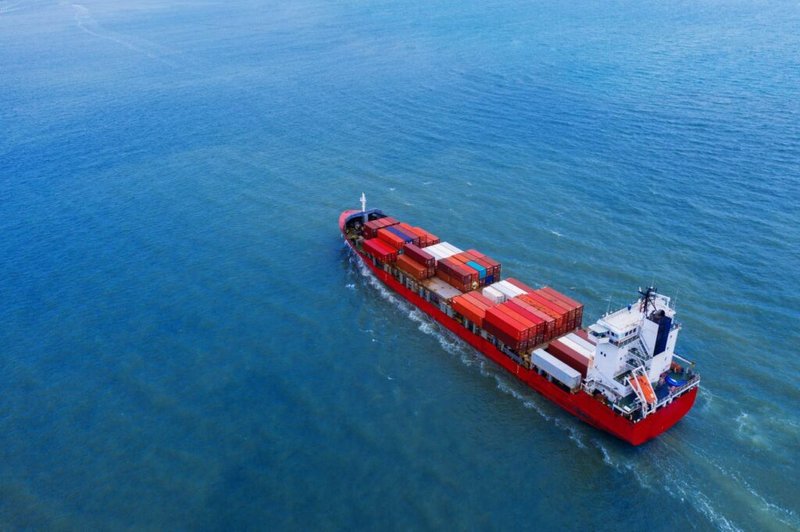
Marine agent in logistics
- The role of a maritime agent
Shipping is the main method of delivering huge volumes of goods between countries. The maritime agent is engaged in the organization of sea transportation, coordinating work with ports, shipping companies and shippers.
- The main functions of the sea agent
- Chartering of ships: The marine agent negotiates the charter of ships and determines the optimal terms of delivery by sea.
- Container Transport Management: Monitoring the loading of containers and their proper placement on the ship.
- Customs clearance: Ensuring proper clearance of goods for export and import in ports.
- Control of transshipment of goods: Interaction with port services for uninterrupted unloading and loading of goods.
- Cargo insurance: Providing insurance protection to minimize risks in international transportation.
- Advantages of maritime transport
- Volume: Sea transport allows you to transport a huge number of goods, which is especially important for heavy and bulky products.
- Economy: This is the most economical mode of transport for intercontinental transportation.
- Route flexibility: The ability to deliver goods to any corner of the world through seaports.
Agency activities in air, rail and sea transportation play a key role in the logistics chain. Aviation agents provide fast delivery of urgent cargo, rail agents provide cost-effective and reliable transportation at the continental level, and maritime agents transport large volumes of goods around the world. The joint work of these specialists ensures efficient and reliable movement of goods, minimizing costs and delivery time.