Stages of the transaction when working with Chinese factories
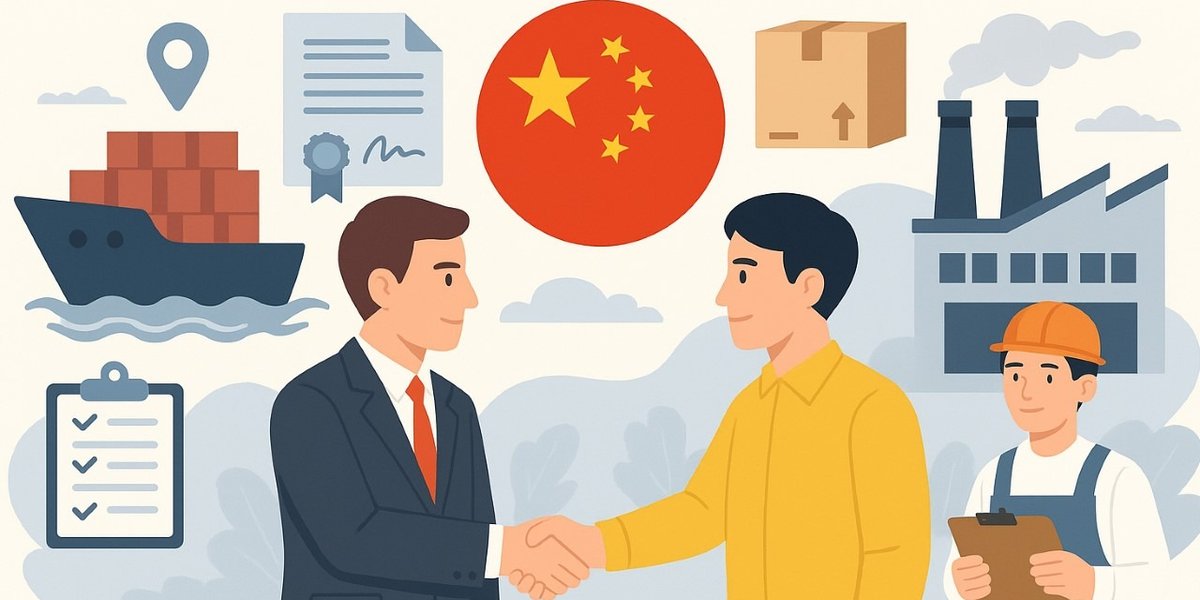
Doing business with Chinese manufacturers is a multi-step process that requires careful preparation, accuracy and compliance. From the selection of a supplier to the completion of the transaction, each stage plays a key role in ensuring the successful and safe import of goods. Let’s look at each stage of the transaction in detail.
Step 1: Finding a supplier
The initial phase involves finding a reliable manufacturer in China. Sources for search can be different:
- Platforms (e.g. Alibaba, Made-in-China)
- Exhibitions
- Business directories
- Partnership recommendations
- Facilitators
At this stage, it is important to check the reputation of the supplier, familiarize yourself with the range, scale of production and reviews of other buyers.
Stage 2: Negotiations (Transaction Terms)
After finding a potential supplier, the terms of cooperation are discussed:
- Terms of delivery (Incoterms)
- Date of delivery
- Volume of party
- Quality of goods
- Price.
- Terms of payment
It is important to clearly record all agreements in writing and ensure that both parties understand all terms equally.
Step 3: Conclusion of a contract
After reaching agreements, a formal agreement is concluded:
- Legal and commercial conditions are fixed
- Describes volumes, terms, specifications
- Sanctions for violation of conditions
The contract can be concluded directly with the factory or through an intermediary (trading company). It is desirable that the contract has legal force both in China and in the country of the buyer.
Stage 4: Logistics
Logistics must be considered before shipment:
- Choice of mode of transport (sea, rail, air)
- The optimal delivery route
- Packaging and marking
- Cargo insurance (recommended)
A professional logistics company can help in choosing the most profitable method of delivery.
Stage 5: Certification
If the goods are subject to mandatory certification, then this stage is extremely important:
- Definition of certification requirements in the country of destination
- Inspection and testing of goods
- Obtaining certificates of conformity, sanitary and phytosanitary documents, as well as safety certificates
Without the relevant documents, the goods can be detained at customs.

Step 6: Preparation of supporting documentation
A set of documents is prepared for sending:
- Packaging sheet
- Invoice (Invoice)
- Certificates
- Instructions for use (if required)
- Certificate of origin of goods
These documents are necessary for customs control and receipt of goods by the buyer.
Stage 7: Customs clearance
At the import stage, the following actions are performed:
- Registration of the customs declaration
- Payment of customs duties and taxes
- Submission of all necessary documents
For successful customs clearance, it is important to work with experienced brokers.
Step 8: Delivery and acceptance of goods
After customs clearance, the goods are delivered to the buyer. Important:
- Verify compliance of the goods with the terms of the contract
- Check for defects, damages
- Ensure the correctness of marking and completeness
Stage 9: Payment
Payment can be made both before shipment and after receipt of the goods (depending on the agreements). A partial prepayment + balance after shipment is often used.
Stage 10: Completion of the transaction
Final stage:
- Confirmation of receipt and conformity of goods
- Settlement of possible claims
- Completion of documentation
- Feedback to supplier
If everything is successful, long-term cooperation can be formed.
Working with Chinese manufacturers requires a competent approach, legal savvy and attention to detail at all stages of the transaction. Compliance with this process structure helps to minimize risks, save money and build an effective international partnership.