Foreign trade export contract
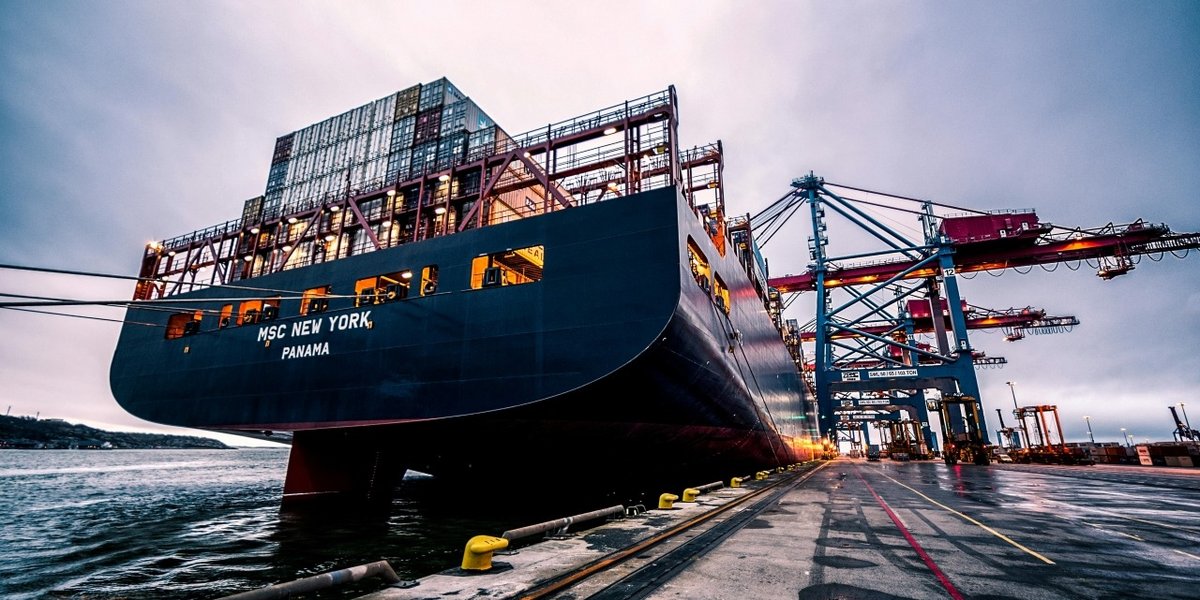
The conclusion of an export contract is one of the most important stages for companies wishing to enter the international market. The export contract determines the key terms of the transaction between the seller and the buyer from different countries, and its competent drafting helps to avoid disputes and risks. In this article, we will consider the main elements of a foreign trade export contract, as well as share tips for its successful conclusion.
What is an export contract and its features
Export contract A legally binding agreement that governs the rights and obligations of parties in international trade. It should take into account international legal norms, such as Incoterms, as well as national laws and peculiarities of the legislation of the participating countries.
Features of the export contract:
- The document covers legal aspects of international supply of goods;
- Takes into account the risks associated with currency fluctuations and changes in customs tariffs;
- Provides for issues of customs clearance and requirements for documents;
- Can require certification of goods in accordance with international standards.
The main elements of the export contract
When drafting an export contract, it is important to include key points that ensure the legal protection of the parties. Let's take a closer look at them.
- Subject matter of the contract
This section clearly prescribes the type, quantity and quality of the goods. The description should be specific and accurate to avoid misunderstandings. For example, for industrial equipment, it is important to specify its characteristics and technical parameters.
- Price and currency conditions
Specify the payment currency, the price per unit of goods and the total amount of the contract. It is important to provide for protection against currency fluctuations, such as a fixed price in the buyer's currency or a recalculation clause.
- Terms of payment
The export contract must provide for payment terms: advance, letter of credit, collection or open account. A popular payment method is a letter of credit as it guarantees security to both parties.
- Delivery and delivery times
It is important to specify the exact delivery time and choose the terms of delivery, guided by Incoterms (EXW, FOB, CIF, etc.). This will help avoid confusion as to who is responsible for transportation costs and risks.
- Packaging and marking
Write down packaging and labeling requirements so that the goods are protected during transportation and meet the standards of the importing country. Also indicate who pays for the packaging.
- Insurance
Select insurance terms based on Incoterms. For example, if a CIF (Cost, Insurance, and Freight) condition applies, the seller must insure the goods to the port of destination. Find out what kind of insurance is required and who pays for it.
- Customs clearance
Determine who is responsible for customs clearance, payment of duties and fees. When choosing FCA or DDP terms, customs duties may lie on different sides, which is important to consider when planning logistics.
- Guarantees and liability of the parties
Specify what guarantees the seller provides for the quality of goods and for how long. Describe the procedure for the detection of defects, replacement of goods or compensation to the buyer.
- Force majeure
Indicate cases in which the parties are exempt from liability for non-fulfillment of obligations (natural disasters, war, strikes, etc.). This will help to avoid uncertainty in situations beyond the control of the parties.
- Settlement of disputes
Specify the jurisdiction and method of dispute resolution: arbitration, court or alternative settlement. Arbitration is most often chosen for international contracts, as it is faster and can be conducted in neutral territory.

Procedure for concluding an export contract
- Preparatory phase
Conduct market analysis and gather information about potential partners. Make sure the buyer company is reliable and clarify the product certification requirements for the export market.
- Negotiations
At the negotiation stage, discuss the terms of the transaction, take into account all the requirements of the client and offer your terms. It is important to discuss the clauses of the contract in detail so that both parties understand their responsibilities and rights.
- Harmonization of contract terms
After negotiations, make a draft contract, which will take into account all the nuances and requirements of the parties. Contact a lawyer to avoid misunderstandings in international law.
- Signature and execution of the contract
The signing of the document is the final part of the contract. Both parties must sign the contract, after which it becomes legal.
- Performance of the contract
In the process of fulfilling obligations, pay attention to compliance with all the terms of the contract. Watch the timing, quality and execution of documents, as well as ensure proper communication with your partner.
Frequent errors in export contracts
- Uncertainty of payment terms and currency risks
Write down currency conditions and measures to protect against currency fluctuations to avoid possible losses.
- Lack of clear delivery times and delivery conditions
Specify the exact dates, select the appropriate Incoterms option and specify all the details of transportation.
- Ignoring certification rules and regulatory requirements
Make sure that your product meets the requirements of the importing country and has all the necessary documents.
- Lack of prescribed guarantees and sanctions
Set up the responsibility of the parties to protect yourself in case of unforeseen situations.
Useful recommendations for export contracts
- Conduct partner checks
Gather information about the reliability of the partner, assess his financial condition and reputation in the market. Use credit ratings and reports to minimize risk.
- Use lawyers with experience in international trade
Lawyers will help to draw up a contract and take into account the peculiarities of international law, which will protect your business.
- Apply the Incoterms standards
These terms greatly simplify international transactions and reduce the risk of misunderstanding. Refer to the latest edition of Incoterms to be aware of current conditions.
- Develop standardized contracts
For frequent export transactions, it is possible to create contract templates with pre-defined conditions. This will simplify the process and speed up the signing of the deal.
The conclusion of an export contract is a process that requires knowledge of legal aspects and attention to detail. It is important to take into account the specifics of international transactions and the peculiarities of the legal system of both countries in order to avoid risks and make the transaction as successful as possible. Compliance with these recommendations and strict adherence to the structure of the contract will help your business to gain a foothold in the international market and ensure successful export operations.