Customs clearance: procedures, documents, rules
Customs clearance is a mandatory process accompanying the international transportation of goods. For successful customs procedures, it is important to understand what documents are needed, what authorities are involved and what rules apply in a particular country. In this article, we will analyze in detail the stages of customs clearance, types of documents, features of work with customs authorities, as well as life hacks that will help simplify the process.
What is customs clearance?
Customs clearance is a set of procedures necessary for the import or export of goods across the state border. It includes checking documents, paying duties and taxes, and complying with the rules of trade established by the state.
The main stages of customs clearance
The process of registration goes through several key stages:
- Preliminary training:
Verification of goods for compliance with the requirements of the country of import / export.
Collection of necessary documents.
- Filing of the customs declaration:
The declaration is filled in accordance with the classification of goods (TN FEA - Commodity nomenclature of foreign economic activity).
The declaration is submitted electronically through special platforms such as ED-2 in Russia.
- Check of documents by customs:
Customs authorities check the correctness of the declaration, the conformity of goods and settlements.
- Duties and taxes:
This may include customs duties, VAT, excise duties and other charges.
- Physical inspection of cargo (if necessary):
Customs inspectors may conduct inspection of cargo to verify compliance with the declared data.
- Release of goods:
After successful completion of all procedures, the goods are considered to be executed and can be delivered to the recipient.
Documents for customs clearance
For registration of cargo at customs it is necessary to provide a certain list of documents. It can vary depending on the type of cargo, country of origin and destination, but the basic documents are as follows:
Main documents
- Customs declaration:
The main document, which indicates information about the cargo, the sender, the recipient, the FEA code, the cost, etc.
- Contract for supply:
The contract between the seller and the buyer specifying the terms of delivery.
- Invoice (Invoice):
Financial document indicating the cost of the goods, terms of payment and delivery.
- Packing List (Packing List):
Detailing the composition of the cargo: number of seats, weight, dimensions, type of packaging.
- Transport documents:
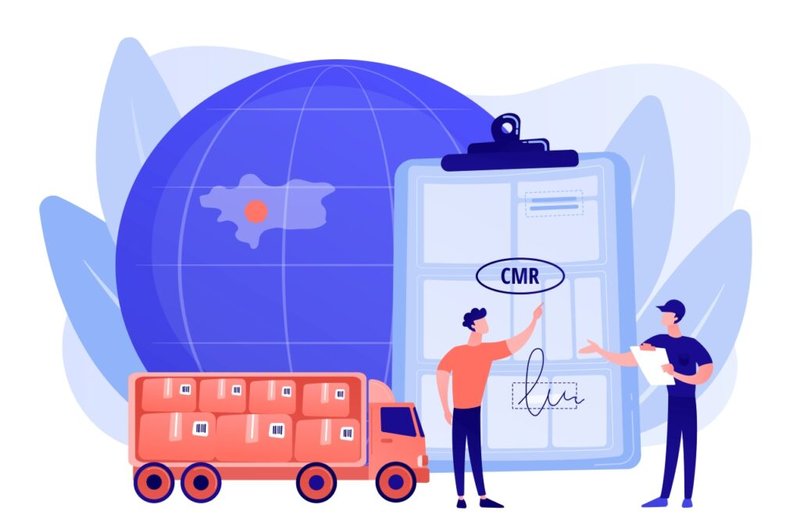
For road transport – CMR;
For maritime transport – bill of lading;
For air waybill (AWB).
- Certificates and permits:
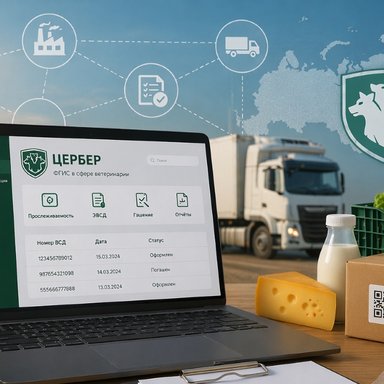
Certificates of quality, origin, phytosanitary, veterinary and other permits.
- Power of attorney:
If the cargo is processed through a broker, a power of attorney from the shipper or consignee is required.
Additional documents
- Import/export licenses for certain categories of goods (e.g. arms or pharmaceuticals).
- Declaration of Conformity (TR CU).
- Contract of transportation (if necessary).
Authorities involved in customs clearance
Several key authorities are involved in the process of customs clearance:
- Federal Customs Service (FCS):
The main body responsible for the inspection and release of goods.
- Certification authorities:
Check the conformity of goods with the requirements of standards (for example, the issuance of quality certificates).
- Logistics companies:
Help with transportation and registration of transport documents.
- Customs brokers:
Specialists who are professionally engaged in cargo clearance and interaction with customs authorities.
- Banks:
Engaged in foreign exchange transactions, such as payment of duties and conversion of funds.
Customs clearance rules
Customs clearance is regulated by national legislation and international treaties. Here are a few key rules:
- Tariff regulation
- Customs duties are established on the basis of the HS code.
- Rates depend on the category of goods and can range from 0% to 30% of the value of the cargo.
- Non-tariff regulation
- The import and export of certain categories of goods (for example, medicines, food, chemicals) is regulated by special permits.
- Processing deadlines
- The customs authorities are obliged to process the declaration within 4 hours of its submission, if all documents are provided correctly.
Life hacks for successful customs clearance
- Careful preparation of documents:
Check all the data for compliance. Errors in the FEA code or invoice may result in a delay.
- Use the services of a broker:
If you are unsure of your knowledge, brokers can help reduce risk and save time.
- Certificates and permits:
Check to see if you need additional permits for your products in advance.
- Electronic declaration:
Use platforms to submit declarations online. This speeds up the registration process.
- Value control:
Customs authorities can check the declared value of the goods. Make sure it is validated and documented.
- Learn in advance about the rules of the destination country:
For example, some countries prohibit the importation of certain goods or have strict restrictions on packaging.
- Cargo insurance:
Insure the cargo from possible risks (delays, damage).
- Working with verified carriers:
An experienced carrier can suggest optimal routes and delivery methods.
Customs clearance is a complex but manageable process. Success depends on proper planning, a full package of documents and compliance with all procedures. The use of modern technologies, interaction with professional brokers and deep knowledge of customs rules will help to minimize risks and simplify clearance. Knowledge of nuances and life hacks allows not only to speed up the process, but also to avoid unnecessary costs.