Customs clearance: steps and procedure without delay
Customs clearance is a mandatory process in which goods crossing state borders are checked for compliance with the regulations and requirements of the importing or exporting country. Without proper customs clearance, goods cannot be allowed on the market, which makes this procedure critical for all participants in international trade. In this article, we will look at the steps, key documents and requirements for customs clearance, as well as tips for avoiding delays.
What is customs clearance?
Customs clearance is a set of procedures that go through goods crossing the border of a country to obtain an import or export permit. In the process, the customs service checks:
- compliance with all national and international standards,
- payment of customs duties and fees,
- Have the correct documents and declarations.
If the product has successfully passed all stages, it is considered "purified" and can freely enter the market of the destination country.
The main stages of customs clearance
- Preparation of documents
At the first stage, it is important to collect all the documents that may be required to pass customs:
- Invoice and specification (documents confirming the cost and composition of the goods);
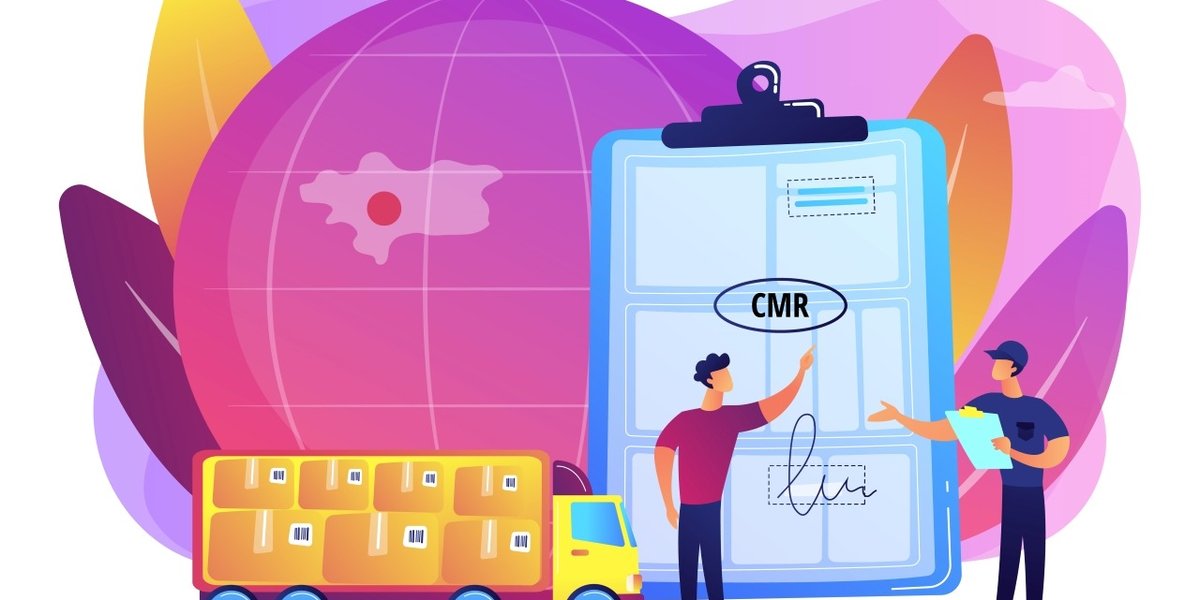
- Package of transport documents (invoices, bills of lading, CMR);
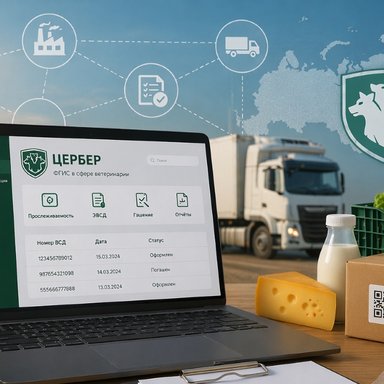
- Certificates and permits (for compliance with standards, phytosanitary, veterinary, depending on the type of cargo);
- Customs declaration (a document describing the goods, their value, country of origin, etc.).
- Customs declaration
This is an important process in which goods are registered with the customs authorities. The declaration states:
- full cargo information,
- cost of goods,
- Codes of commodity nomenclature (CN FEA), which determine the rate of duties and taxes.
- Payment of customs duties and duties
At this stage, all necessary fees are calculated and paid:
- Customs duty (the amount depends on the type of goods and their country of origin);
- VAT and excise taxes (taxes may vary depending on imported products)
- Customs fees (including customs clearance services and other minor expenses).
- Passage of inspection
Customs officers may conduct an inspection to check the compliance of documents with the real contents of the cargo. There are different types of inspection:
- Physical inspection (checking the contents of the container);
- Scanning (using x-rays for quick checks)
- Phytosanitary or veterinary control (if the goods belong to the appropriate category).
- Obtaining permission to release goods
When all procedures are completed, the customs authorities give permission to release the goods and the goods can be sent to the destination or handed over to the buyer. At this stage, the customs clearance procedure is completed.
Important documents for customs clearance
The availability of a full package of documents is one of the key conditions for successful customs clearance. It is important to prepare and check the following documents in advance:
- Customs declaration The main document for passing customs.
- Invoice (invoice) - contains information about the cost and characteristics of the goods.
- Packaging sheet (specification)) - describes in detail the composition of the party.
- Transport documents (CMR, bill of lading, air waybill) - confirm the transportation of cargo.
- Certificates of origin Required to reduce customs duties for some countries.
- Certificates of conformity documents confirming that the goods meet safety and quality standards.
- Licenses and permits (if necessary for certain products).
Typical difficulties and errors in customs clearance
- Incorrect filling in of documents
Errors in the declaration or invoice can lead to delay in cargo and additional costs.
- Incomplete package of documents
Lack of the necessary certificate or license will lead to the suspension of the release of goods and possibly even a fine.
- Incorrect classification of goods
Errors in classification (for example, according to the HS) can lead to incorrect calculation of duties and fines.
- Incorrect information about the cost
Underestimating the cost of cargo to reduce duties is a serious violation that leads to fines and refusal of customs clearance.
Tips for successful customs clearance
- Check the package of documents in advance: Make sure you have all the necessary documents for each product category.
- Use the services of a customs broker: Brokers are familiar with customs processes and requirements and will help avoid mistakes.
- Correctly classify the goods: Consult with specialists for the selection of the correct codes of HS.
- Plan to pay fees and fees: Calculate the amount in advance and prepare funds for timely payment.
- Follow the changes in the legislation: Customs regulations are updated frequently and it is important to be aware of all changes.
Customs clearance is a complex and multi-step process, the successful passage of which depends on the timely delivery of goods and the success of international transactions. Compliance with the requirements, proper completion of documents and knowledge of all stages will help to avoid problems and delays at the border.