Certificate of conformity with technical regulations

In the modern world, the requirements for product quality and safety are constantly growing. Certificate of compliance with technical regulations is an important document confirming that the products meet the established standards and standards. In this article, we will discuss in detail what a certificate of compliance with technical regulations is, which goods are subject to mandatory certification, how the certificate is obtained and why this document is so important for business and consumers.
What is a certificate of compliance with technical regulations?
Definition
Certificate of compliance with technical regulations is an official document confirming that the products meet the requirements of technical regulations established by the legislation of the country. This certificate is issued by accredited certification bodies on the basis of tests and inspections.
The legislative framework
Each country has its own system of technical regulations and standards governing the process of product certification. In the Russian Federation, for example, the requirements for product certification are determined by the Federal Law "On Technical Regulation" and the relevant technical regulations.
What products require a certificate of compliance with technical regulations?
Food products
1. Food: Meat, fish, dairy products, confectionery, beverages and other food products.
2. Food packaging: Packaging materials that come into contact with food and can affect its quality and safety.
Non-food products
1. Children's goods: Toys, clothing, shoes, furniture and other products intended for children.
2. Cosmetic and hygiene products: Creams, shampoos, soap, toothpastes and other personal hygiene products.
3. Home appliances: Refrigerators, washing machines, dishwashers and other household appliances.
4. Building materials: Products used in construction, such as cement, bricks, roofing materials and others.
Industrial goods
1. Machinery and equipment: Industrial machines, production lines, cranes and other equipment.
2. Electronic and electrical products: Computers, smartphones, household electronics and electrical devices.
Procedure for obtaining a certificate of conformity with technical regulations
Stages of certification
1. Preparation of documents: The applicant must provide the necessary documents, including the application for certification, technical documentation for products and test reports.
2. Testing: Products undergo laboratory tests for compliance with the requirements of technical regulations.
3. Conformity assessment: Based on the test results, the accredited certification body makes a decision on issuing or refusing to issue a certificate.
4. Issuance of certificate: In case of a positive decision, the applicant is issued a certificate of compliance with the technical regulations, confirming the conformity of products with the established requirements.

Documents required
1. Application for certification: An official statement from the manufacturer or importer.
2. Technical documentation: Product description, drawings, schemes, technical specifications and other documents characterizing the products.
3. Test reports: Documents confirming the results of laboratory studies and tests.
4. Quality certificates: Documents confirming compliance of products with international standards (if any).
Importance of the certificate of conformity with technical regulations
For business.
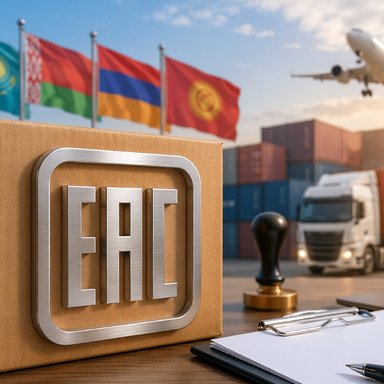
1. Market access: Certificate of conformity is a mandatory document for the import and sale of products on the market. Without it, the company cannot legally sell its products.
2. Increased confidence: The availability of the certificate increases the confidence of consumers and partners in products, which contributes to increasing sales and expanding the customer base.
3. Competitive advantage: Companies with certificates of conformity for their products have a competitive advantage over those who cannot provide such a document.
4. Risk reduction: Certification helps reduce the risks associated with the release of low-quality or unsafe products to the market, which protects the business from possible fines and reputational losses.
For consumers
1. Security guarantee: The Certificate of Conformity confirms that the products are safe to use and meet the established standards.
2. Consumer protection: Having a certificate gives consumers confidence in the quality of products and allows them to protect their rights in case of disputes.
3. Awareness: The certificate contains important product information that helps consumers make informed choices.
Examples of large companies and their products
Food companies
1. Danone: Manufacturer of dairy products with certificates of conformity for their products.
2. Nestlé: A large international company producing food products, including baby food, with certificates of compliance with technical regulations.
Cosmetics companies
1. L'Oréal: Manufacturer of cosmetics and personal hygiene products certified by technical regulations.
2. Procter & Gamble: Manufacturer of cosmetic and hygienic products with certificates of conformity for their products.
Technical and industrial companies
1. Siemens: Manufacturer of industrial and household electrical products, whose products are certified for compliance with technical regulations.
2. Bosch: A large manufacturer of household appliances and industrial tools with certificates of conformity for their products.
Modern technologies in certification
Automation and digitalization
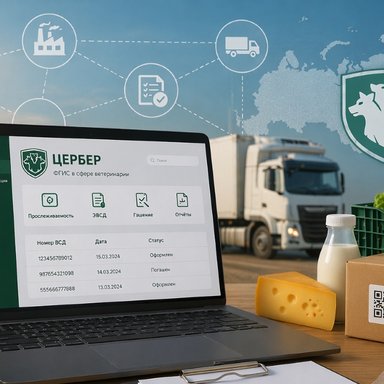
1. Electronic certificates: The introduction of electronic certificates simplifies and speeds up the process of obtaining and verifying documents, reducing the likelihood of errors and paperwork costs.
2. Online platforms: Using online platforms to submit applications and track certification status increases the transparency and convenience of the process.
Internet of Things (IoT) and Blockchain
1. IoT sensors: The introduction of sensors and sensors into products allows to collect data on its condition and operating conditions in real time, which facilitates the certification process.
2. Blockchain: Blockchain technology provides transparency and data security, which is especially important for product certification and tracking compliance with standards.
Prospects for certification development
Tightening standards
1. Environmental requirements: Tighter environmental standards stimulate the development of new technologies and solutions aimed at reducing the carbon footprint and improving the environmental sustainability of products.
2. Safety and quality: Increased requirements for product safety and quality enhance consumer protection and encourage companies to improve their products.
Development of international cooperation
1. Harmonization of standards: Harmonization and harmonization of international standards and technical regulations facilitate the certification process and promote international trade.
2. Investments in infrastructure: Joint investments in the development of laboratories and certification centers contribute to improving the conditions for product certification and improving its quality.
Certificate of compliance with technical regulations is an important tool for ensuring the safety and quality of products. It helps companies legally enter the market, increase consumer confidence and protect their rights. Modern technologies and international cooperation contribute to the development and improvement of the certification process. In the context of globalization and stricter standards, certification becomes a necessity for every company striving for success and sustainable development.