Certification – a quality mark

What's a certification?
Certification is the process of confirming the conformity of products, services or systems to established standards of quality, safety and reliability. It is a specialized procedure aimed at ensuring that products or services comply with the requirements of standards governing their quality, safety and compliance with regulations.
Impact of country certification
Certification plays an important role in the economic development of the country, as it contributes to increasing the competitiveness of domestic products in world markets. Through certification of products and services, the country can confirm their compliance with international quality standards, which in turn helps to build consumer confidence, expand export opportunities and attract foreign investment.

Stages of certification
The certification process involves a number of stages, ranging from applying for certification to issuing a certificate of conformity. It includes analyzing the requirements of standards, conducting the necessary tests and assessments, as well as auditing the plant or production for compliance with established norms and standards.
Preparation and submission of an application: The company or organization applies for certification by providing the necessary documents and information about the product or service to be certified.
Assessment of requirements: Specialists of the certification body analyze the documents provided and determine the requirements of quality standards that must meet the product or service.
Testing and evaluation: Products or services are tested and evaluated in accordance with established standards. This stage includes laboratory tests, quality and safety checks, and technical compliance assessment.
Production audit: Specialists of the certification body visit the production facilities of the enterprise to assess and verify production processes, quality management systems and compliance with safety standards.
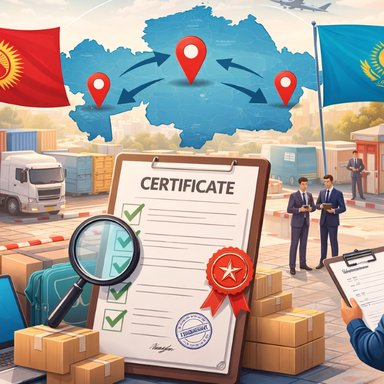
Issuance of certificate of conformity: After successful completion of all stages of the certification process, the company is issued a certificate of conformity confirming the compliance of its products or services with established quality and safety standards.
Maintenance of the certificate: Upon receipt of the certificate of conformity, the enterprise must maintain its validity, which includes regular audits and verifications of the conformity of the product or service with established standards.
Types of Certification
There are several types of certification, including product certification, system certification, and personal certification. Product certification confirms that a particular product or service meets established quality standards, while system certification assesses compliance with quality, safety or environmental management systems. Personal certification confirms the qualification and competence of a particular specialist.

Documentation
Certification processes may include various documents, such as declarations of conformity, quality certificates, test reports, certifications or inspections, as well as various reports and documentation confirming the conformity of products or services to established standards.
Certification pricing policy
The pricing policy of certification is determined based on a number of factors, such as the complexity and duration of the certification process, the volume of services provided, and the level of competition in the certification services market. This may include various fees, certification fees and fees, as well as additional costs for testing and auditing enterprises. Optimal pricing policy is aimed at ensuring the availability of certification services for a wide range of consumers and enterprises, while observing high standards of quality and professionalism.