Guest: what it is, why you need and how to get

Guest (State Standard) is a system of standards applied in the territory of post-Soviet states, including Russia, Belarus, Kazakhstan and other countries. GOSTs cover a wide range of products, services and processes, setting requirements for quality, safety and other parameters. In this article, we will examine in detail what GOST is, why it is needed, by whom it is issued and how to obtain this standard.
What is a guest?
GOST is a system of normative documents that define the requirements for the quality of products, services and processes. The GOST system originated in the Soviet Union and continues to operate in a number of countries of the former USSR. The main goal of GOSTs is to provide uniform standards of quality and safety, which contributes to the protection of consumers and increase the competitiveness of products.
The main types of GOSTs:
1. GOST R - standards adopted in the Russian Federation.
2. GOST EN - standards agreed with European standards.
3. Interstate standards (GOST) are used in the CIS countries.
Why do you need a guest?
GOSTs are necessary to ensure:
1. Product quality: Establish minimum requirements for product quality, which helps manufacturers to produce products that meet consumer expectations.
2. Safety: Regulate product and process safety parameters while minimizing health and environmental risks.
3. Compatibility: Standards help ensure the compatibility of various components and systems, which is especially important in engineering, energy and other industries.
4. Competitiveness: Certification according to GOST can increase the trust of consumers and partners, which helps to improve market positions.

Who are the guests?
GOSTs are developed and approved by different bodies, depending on the type of standard and the country. In Russia, the main bodies are:
1. Federal Agency for Technical Regulation and Metrology (Rosstandart): The main body responsible for the development and approval of GOSTs in Russia.
2. National standards bodies of the CIS countries: For interstate standards, development and approval can be carried out by bodies of other CIS countries.
How to get GOST certification?
The process of obtaining certification under GOST includes several stages:
1. Definition of requirements
The first step is to determine which GOST standards apply to a company’s products or processes. This may include examining regulatory documentation and consulting with experts.
2. Application
The company applies to an accredited certification body. The application specifies the main characteristics of products and a list of standards for compliance with which certification is carried out.
3. Audit and testing
The certification body conducts an audit of production and, if necessary, testing of products in accredited laboratories. These actions are aimed at verifying the compliance of products or processes with GOST requirements.
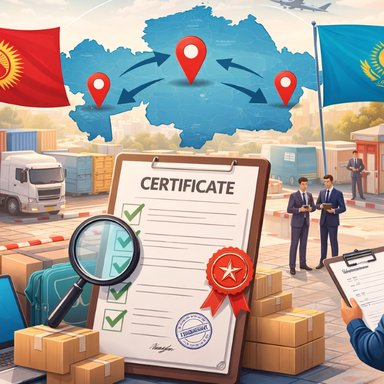
4. Issuance of certificate
If the test results are positive, a GOST certificate of conformity is issued. This document confirms that the products or processes meet the requirements of the standard.
5. Conformity control
After obtaining the certificate, the company is obliged to maintain compliance of products with established standards. Certification bodies can conduct scheduled and unscheduled inspections.
GOSTs play a key role in ensuring the quality and safety of products and services in the post-Soviet space. For manufacturers and companies, GOST certification can become an important competitive advantage, increasing the trust of consumers and partners. Certification involves several stages, starting with the definition of applicable standards and ending with regular compliance monitoring. In the context of globalization and growing requirements for product quality, compliance with GOST standards remains relevant and in demand.