Customs downtime: causes and ways to minimize
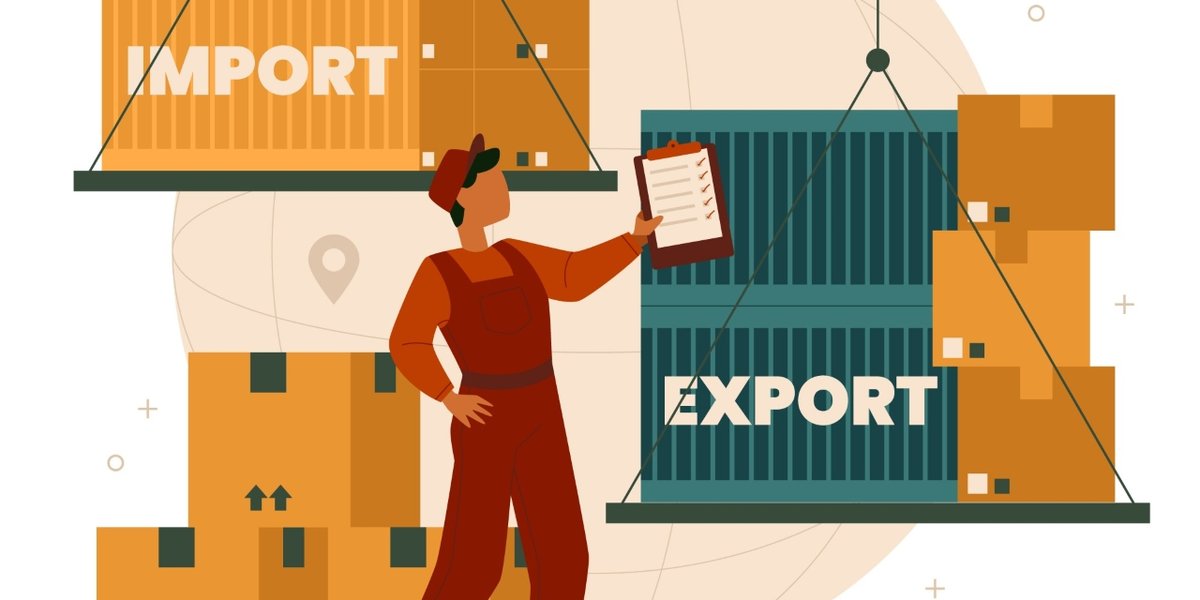
In the context of global trade Speed and predictability of logistics They are critical factors of business competitiveness. However, even with the ideal organization of routes, carriers and exporters face a serious problem. customs downtime.
Downtime at the border can negate the benefits of rapid delivery, disrupt the delivery schedule and lead to financial losses. This issue is especially acute in international shipments from China, where the flow of goods is huge, and the requirements for documents and control are constantly tightening.
What are customs downtimes
Customs simple Delay of a vehicle or cargo at a checkpoint due to non-compliance with procedures, errors in documentation, lack of capacity or other factors.
It can last from several hours to several days, and in some cases weeks. Every hour of downtime means surcharge Parking, storage, payment of personnel and failure of delivery dates.
The main reasons for customs downtime
Errors and inconsistencies in documentation
The most common reason for delays is paperwork:
- inaccuracies in invoices and packaging sheets;
- discrepancy of HS codes;
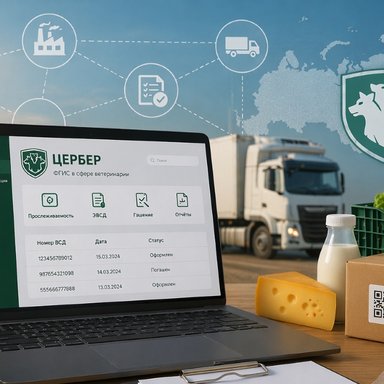
- Lack of necessary certificates (origin, phytosanitary, veterinary);
- Incorrectly stated information about the consignor or recipient.
Even a small error can cause an additional check and a delay of several days.
Strengthening monitoring and spot checks
In recent years, many countries have tightened controls on imports, including from China.
The border guards may conduct inspections, X-ray control, laboratory testsespecially for high-risk categories (foods, pharmaceuticals, electronics).
Each additional procedure is a loss of time that cannot be accurately predicted in advance.
Overloading of checkpoints
Increase in international traffic, especially in the n China - Russia - Europeleads to queues of hundreds of trucks and containers.
In transitions, such as Zabaikalsk, Alashankou, Khorgosintermittent congestion caused by staff shortages, weather conditions or technical problems.
Inconsistency of actions of participants in the chain
Downtime often occurs because of non-synchronized actions chain participants:
- the forwarder has not notified the recipient of the arrival of the cargo;
- The broker did not have time to submit a declaration;
- A representative is not available to sign documents.
Such organizational bottlenecks are particularly common for companies operating without digital communication systems.
Consequences of customs downtime
Direct financial losses
Downtime increases the cost of transportation due to:
- payment for parking of vehicles;
- storage fees at the terminal;
- fines for failure to deliver.
For perishable goods, every extra day at the border could mean damage to the product and total loss of cargo value.
Reputational risks
Reliability of supplies is the most important factor for partners. Frequent downtime forms negative image of the carrier or exporterEspecially in the B2B segment, where precision and punctuality are valued.
Failures in production chains
If the goods are raw materials or components, a delay at customs can lead to stoppage. In the Just-in-Time era, even a few days of delay can disrupt the rhythm of an entire industry.
Ways to minimize customs downtime
Professional preparation of documents
First and foremost condition: flawless documentation.
It is necessary:
- Check all invoice and certificate fields in advance;
- use current HS codes;
- Have document templates for specific types of cargo.
Companies are increasingly adopting Electronic Document Management (EDI)This reduces the risk of human error and speeds up approvals.
Working with experienced customs brokers
Cooperation with professional brokers, especially on difficult transitions (for example, Zabaikalsk-Manchuria), helps to avoid misunderstandings.
Experienced broker:
- know in advance the requirements of a specific checkpoint;
- has established contacts with inspectors;
- They can respond quickly to customs requests.
Preliminary declaration
Modern practice allows you to submit a declaration before the shipment arrives to the checkpoint. This significantly speeds up the design and reduces the waiting time.
There is a regime in many countries green corridorAvailable to companies with status Authorized Economic Operator (AEO).
Transparent logistics and digital monitoring
Systems online tracking and Digital route control You can see where the cargo is and how long it has been at the border.
It helps:
- make quick decisions (e.g. reroute cargo through another junction);
- Notify customers of delays;
- Analyze and optimize routes.
Choosing the optimal transition
Some transitions are stably faster.
For example:
- Alashankou - Dostykow has high throughput and automation of procedures;
- Manchuria - Zabaikalsk Suitable for large-capacity transport, but in peak periods queues are possible;
- Khorgos - Altynkol It is becoming increasingly attractive for multimodal routes.
Analysis of downtime statistics for each direction allows planning logistics with minimal risks.
Trends and prospects
It is expected that in the coming years:
- expansion of digital corridors between China and the EAEU countries;
- automation of customs control using artificial intelligence;
- Electronic interaction between agencies of different countries (Single databases and online exchange of certificates)
These changes are aimed at reducing the registration time and reducing the human factor in the process.
Customs downtime is an integral part of international logistics. It is possible and necessary to minimize.
The key to success. planning, transparency and digitalization.
Companies investing in competent paperwork, qualified brokers and modern IT tools reduce delays at the border by many times and gain a serious competitive advantage.
In the era of fast trading, the winner is not the one who transports the cheapest, but the one who transports the cheapest. deliver on time and without downtime.