Sellers catch up with retailers on marketplaces

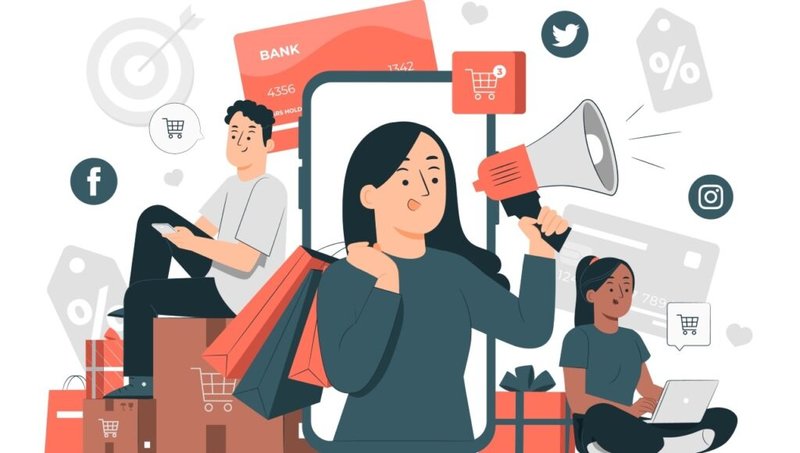
A few years ago, the main importers of Chinese goods to Russia and the CIS were large retail chains - Auchan, Magnit, Lenta, Children's World and other giants of offline retail. However, marketplace-age It's changing rapidly. sellerIndividual entrepreneurs and small companies have become increasingly prominent in international trade.
According to the latest data from logistics operators, volumes of purchases from Chinese suppliers from sellers on Wildberries, Ozon, Yandex. Market and other platforms are comparable – and sometimes exceed – the volume of large retail chains.
Trend in numbers
- Increase in shipments from ChinaAccording to Russian logistics aggregators, in 2023-2024 the number of cargoes coming from small suppliers increased by more than one year. 70%.
- Cargo delivery rates for small wholesale (from 0.5 to 2 tons) decreased by 15-20% Increased competition among logisticians.
- Average purchase check from the seller - from $3,000 to $15,000, while such purchases are made regularly.
- Percentage of large networks China’s imports from China are declining 60% in 2018 to less than 35% in 2024.
Who are the sellers?
Seller. selleris marketplacemanwhich:
- Buys and buys products from manufacturers, most often in China.
- Imports, customs clearance and places in the warehouses of the marketplace
- Uses promotion tools and analytics on sites
The main categories of sellers:
- IP and microenterprises
- Self-employed
- Small online brands
- Wholesale resellers
Why have the Sellers stepped up?
1. Availability of logistics and cargo services
- The Rise of Hundreds of Chinese Agents and Mediators (1688, Pinduoduo, Taobao)
- Reducing Minimum Order Volume (MOQ)
- Microinvoices for legal customs clearance
2. Reducing dependence on Russian distributors
- Many sellers realized that Buying directly in China is 20-40% cheaperthan local wholesalers
3. Simplification of communications
- The services of translators and buyers in China have become mass
- Applications and messengers (WeChat, Alibaba, JD) allow you to negotiate without barriers
4. Marketplace infrastructure
- Fulfillment, delivery, acquiring and promotion – fully automated
- Seller has only to choose the product and order it.
What is the difference between buying a seller from network retail?
| Parameter | Seller. | Trading network |
| Procurement volume | 1-10 m3 | 100–1000 m3 |
| Frequency of procurement | Regularly, in batches | Planned, seasonally |
| Assortment | Narrow, niche | Broad, massive. |
| Launch speed | 2-4 weeks from idea to sale | Up to 6 months for approval |
| Flexibility | High (fast change of goods) | Low (contracts, tenders) |
| Purchase price | Higher per unit but lower than margin | Lower price but higher costs |
What are sellers buying in China?
- Clothing and shoes
- Electronics and accessories
- Home and children's goods
- Sports goods
- Office and creative goods
- Cosmetics and care
Especially popular format. "white label" When a Chinese product is branded under its own Seller logo.
Why are big networks losing ground?
- Long cycle of harmonization of new products
- High storage and logistics costs
- Focus on the mass market, not on trends
- Low speed of response to demand
Role of logistics operators
Small businesses are helped by:
- Chinese agents inspect factories, negotiate
- Russian logistics: customs clearance, delivery, warehouse
- Financial services: payments in yuan, digital accounts, currency transactions
Popular tools:
- Chinese marketplaces: 1688.com, Taobao, Pinduoduo
- Cargo agencies: CDEK, Baikal Service, PEC-China
- Financial gateways: Alipay, UnionPay, WeChat Pay
Prognosis: what next?
- By 2026, the share of sellers in imports may exceed 50%
- Marketplaces will become the main points of sale, replacing offline
- Automation of procurement (AI selection of trending goods)
- The emergence of local brands built entirely on Chinese contract manufacturing (ODM/OBM)
Sellers are becoming a new driver of imports from China. Their flexibility, speed and willingness to take risks allow them to compete on equal terms with large retail chains. In a world where consumers are looking for trends in the here and now, it is small entrepreneurs who are the best fit for this dynamic.