Key aspects of logistics
What's the logic?
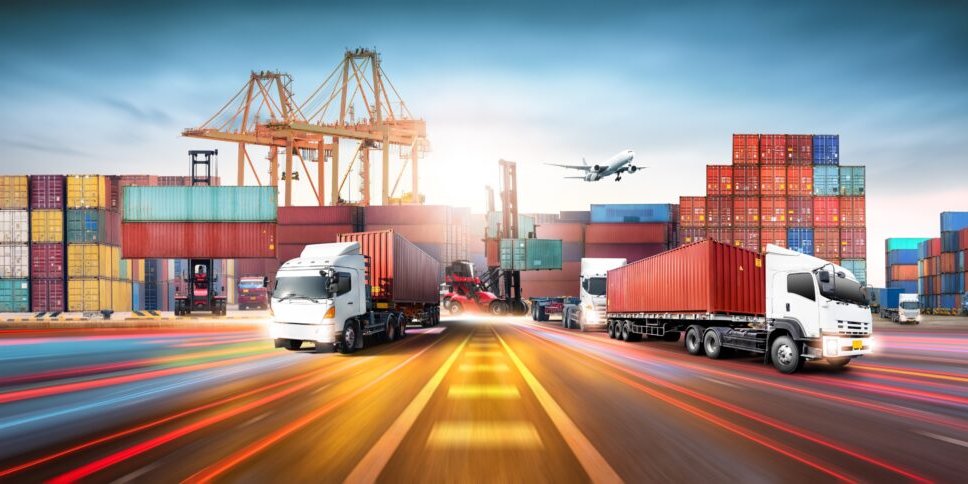
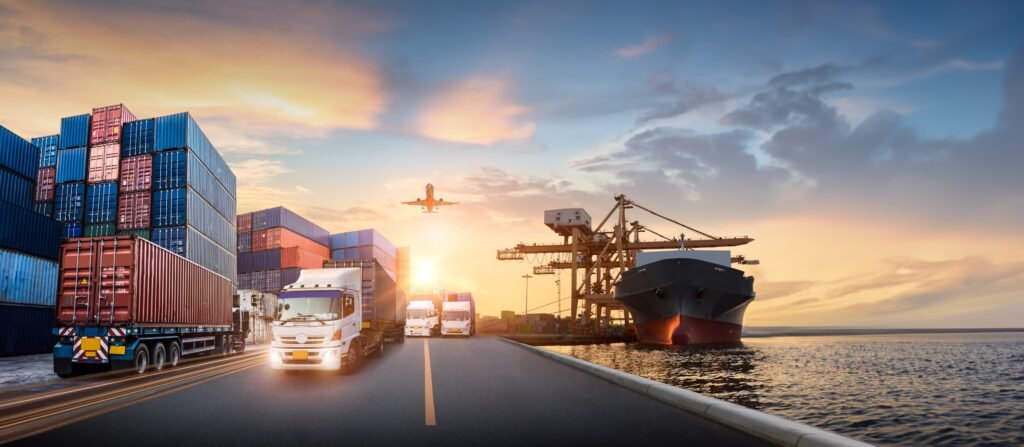
Logistics is a system for managing and coordinating the flows of material, information and financial resources from the point of production to the final consumer. This includes planning, organizing, controlling and coordinating all stages of supply, from the purchase of raw materials to the delivery of finished products. In logistics, various types of transport are widely used, such as road, rail, sea, river and air, each of which has its own characteristics and advantages depending on the nature of the cargo, distance and speed of delivery.
The Influence of Logistics on the Economy of the Country
Logistics plays a key role in economic development, as it ensures the efficient functioning of supply chains and trade. Optimization of logistics processes allows to reduce the costs of production and delivery of goods, increase the speed of supply, reduce inventories and improve the quality of service. This contributes to increased trade, economic activity, job creation and strengthening the country’s competitiveness in the world market.
LOGICAL PROCESS
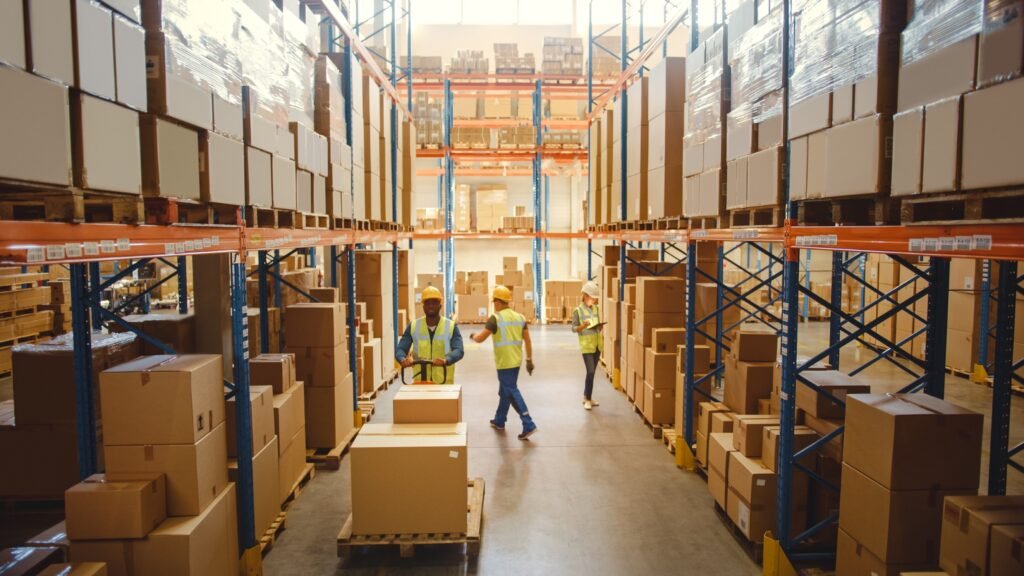
The logistics process begins with market needs analysis and supply planning. Then the choice of the optimal route and vehicle for cargo delivery, the organization of storage and preparation of documentation. An important step is to monitor the movement of cargo in real time and quickly respond to changes in external conditions, such as weather or transport problems.
VIDEO OF LOGISTICS
There are several types of logistics, including commodity, information, financial, reverse and regional. Each of these types of logistics is aimed at optimizing certain aspects of business processes and ensuring the smooth functioning of supply chains.
Commodity logistics: Commodity logistics deals with the management of the flows of material resources from the place of production to the final consumer. This type of logistics includes the planning of delivery routes, warehousing, packaging, transportation and delivery of goods. It aims to optimize all stages of supply to ensure timely and efficient customer service.
Information logistics: Information logistics is related to the management of information flows in the logistics chain. It includes the collection, processing, storage and transfer of data on cargoes, orders, deliveries and other logistics operations. Information logistics helps coordinate the activities of all participants in the supply chain, improving the transparency and efficiency of processes.
Financial logistics: Financial logistics is responsible for managing cash flows in the logistics chain. This type of logistics includes the calculation of shipping costs, payment for transport companies, customs duties and taxes, as well as accounting for financial risks and ensuring the financial sustainability of the supply chain.
Reverse logistics: Reverse logistics covers the processes of managing the reverse flow of goods from the end consumer to the manufacturer or seller. This type of logistics involves the return of goods, the processing of defective or obsolete goods, their recycling or disposal. Reverse logistics is becoming increasingly important for companies looking to minimize losses and improve customer service.
Logistical Documentation
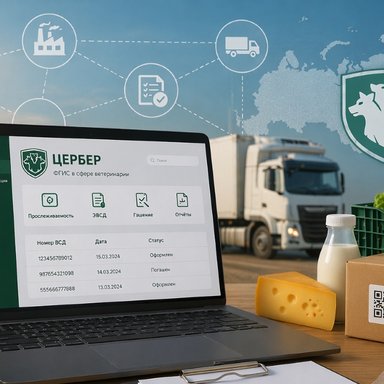
In logistics processes, various documents are used, such as invoices, contracts, quality certificates, customs declarations, invoices and others. These documents not only confirm the ownership of the cargo, but also serve as the basis for customs procedures and calculation of the cost of delivery.
Logistics and the impact of sanctions
Indeed, sanctions can have a significant impact on logistics processes by restricting trade with certain countries or regions. This can affect the choice of delivery routes, customs procedures and transportation costs. However, logistics companies can adapt to changing conditions by using alternative routes and delivery strategies.