Car fare by shelf n
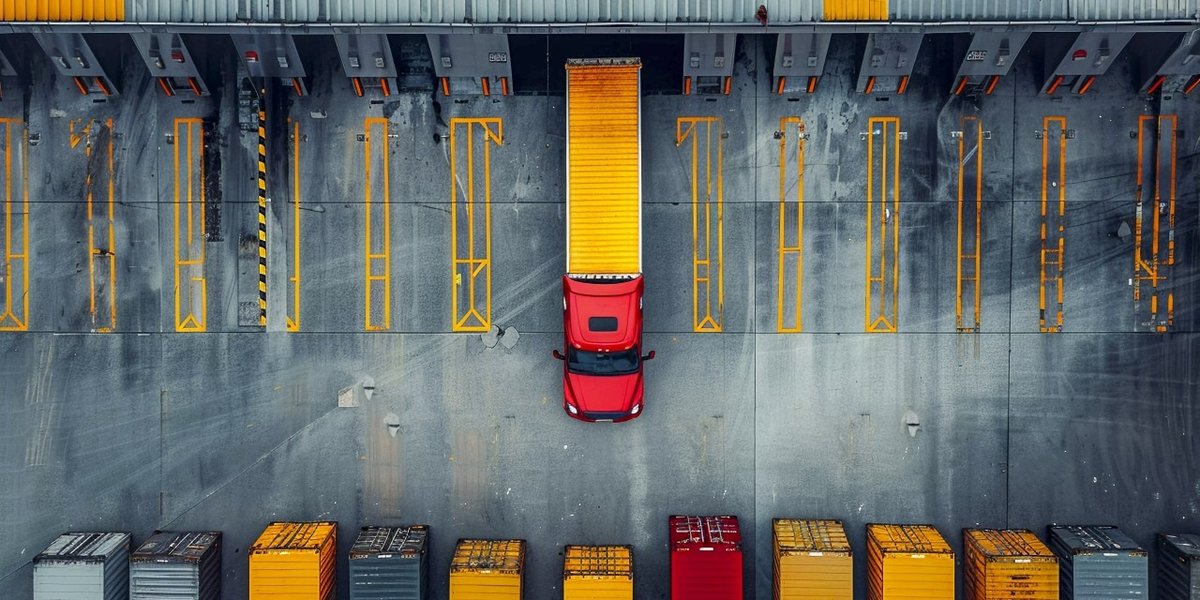
Automotive logistics is the most flexible, but also the most unpredictable form of transportation.
Over the past two years, the cost of road transport services in Russia and the CIS countries has increased by 20-30%, and this growth often outpaces inflation. Why this happens, how the tariff is formed and what factors affect the final delivery price – we understand in detail.
What is "auto fare"?
Auto fare This is the aggregate rate at which the cost of transporting goods by road is calculated.
It is formed from a variety of variables: from mileage and type of car to fuel costs, insurance, toll roads and seasonality.
For the client, this looks like the final price “from warehouse to warehouse”.
But for the carrier, the tariff is the result of a complex calculation, including direct, indirect and market factors.
Main components of the tariff
1. Fuel.
Fuel accounts for up to 40-50% of the cost transportation.
The rise in diesel prices directly affects the rate per kilometer.
When the price of fuel increases by 10%, the tariff is usually increased by 4-6%.
Factors affecting the fuel part:
- regional differences in fuel costs;
- seasonal fluctuations (autumn and winter - higher);
- Additional expenses for heating and idling.
2. Route mileage and geography
Basic unit of account kilometer.
But not only the distance, but also the features of the route are taken into account:
- return (empty) mileage - if the car goes without loading, the customer compensates part of the way;
- quality of roads and relief (mountains, speed limit tracks);
- International flights – there are added fees at the borders and downtime.
Example: flight Moscow - Novosibirsk and back may include up to 25% empty mileageThis automatically increases the rate by a third.
3. Type of vehicle
The cost of a kilometer depends on the type of car:
| Type of transport | Approximate rate, ая/km (2025) | Application |
| Tent 20 t | 80-120 | Universal goods |
| refrigerator | 120-160 | Food, medicine |
| Low-moor platform | 150–220 | Machinery, equipment |
| Gazelle / 5 t | 50-80 | Urban and regional delivery |
Additional consideration shall be given to:
- depreciation;
- TO and tyres;
- driver's salary;
- taxes and tolls.
4. Cargo and liability insurance
CMR or OGR (carrier liability) insurance adds 0.1 to 0.5% from the value of the cargo.
Some customers require full insurance coverage, which increases the rate, especially for international transportation.
5. Time and urgency
The faster delivery is needed, the higher the tariff.
Betting for express may be 30-50% more expensive Standard, especially during peak seasons.
Urgentness includes:
- night flights;
- limited loading/unloading windows;
- Delivery on weekends and holidays.
6. Nature of the goods
Special conditions (dangerous, bulky, temperature cargo) increase the price.
For example:
- ADR class (hazardous materials) – +20-40%;
- temperature (refrigerator) - +15-25%;
- oversized - +30-70%, including escort.

Why tariffs are rising faster than inflation
Despite attempts to stabilize the market, the cost of road transport is growing faster than consumer prices. The reasons are systemic:
1. Rising diesel prices
Diesel fuel for 2023-2025 rose by more than 30%.
This is the main factor that pulls up the tariff even without increasing other costs.
2. Deficiency of drivers and transport
Many carriers complain about the lack of staff and cars.
The old fleet requires updating, and new tractors have risen in price by 25-40%.
3. Toll roads and environmental charges
Expanding network toll-trackespecially on the routes M-4, M-11, Central Ring Road.
Introduced environmental charges and restrictions In cities, which increases the cost.
4. Increase in insurance and tax rates
CTP and cargo insurance have risen in price, and the transport tax and Plato remain stable, but significant items of expenditure.
5. Exchange rate fluctuations and import of spare parts
Most of the components and tires are imported, so the exchange rate directly affects the costs of carriers.
Example of tariff calculation
For the flight Moscow → Yekaterinburg (1800 km) on the tent 20 tons:
| Indicator | Meaning. |
| Bet per km | 95 |
| Total mileage (round-trip) | 3600 km |
| Fuel costs and other costs | 60% |
| Total fare | eh 342,000 |
| Average price per 1 ton of cargo | eh 17,000 |
In case of urgent delivery (1.5 days instead of 3) the tariff may increase to 400,000 .
How to Optimize Autologistics Costs
- Plan routes in advance - avoid single flights.
- Use Prefabricated Transportation (LTL) for small batches.
- Work with regular carriers Loyal rates and priority during peak periods.
- Compare fuel and insurance providers.
- Monitor the market Many brokers publish monthly tariff indices by region.
Trends of 2025
- Active implementation Telematics and online calculators (c) tariff setting;
- Growth in share Prefabricated transportation and fleet outsourcing;
- Appearance dynamic tariffsdepending on the demand and load of routes;
- Strengthening the control of environmental standards (Euro-5 and above).
Auto tariff is a living indicator of the state of the economy.
It reflects not only the cost of fuel, but also the quality of roads, logistics efficiency and resource scarcity.
Understanding the structure of the tariff allows plan logistics correctlyAvoid overpayments and predict price fluctuations.