Absorbing, depreciating and insulating materials
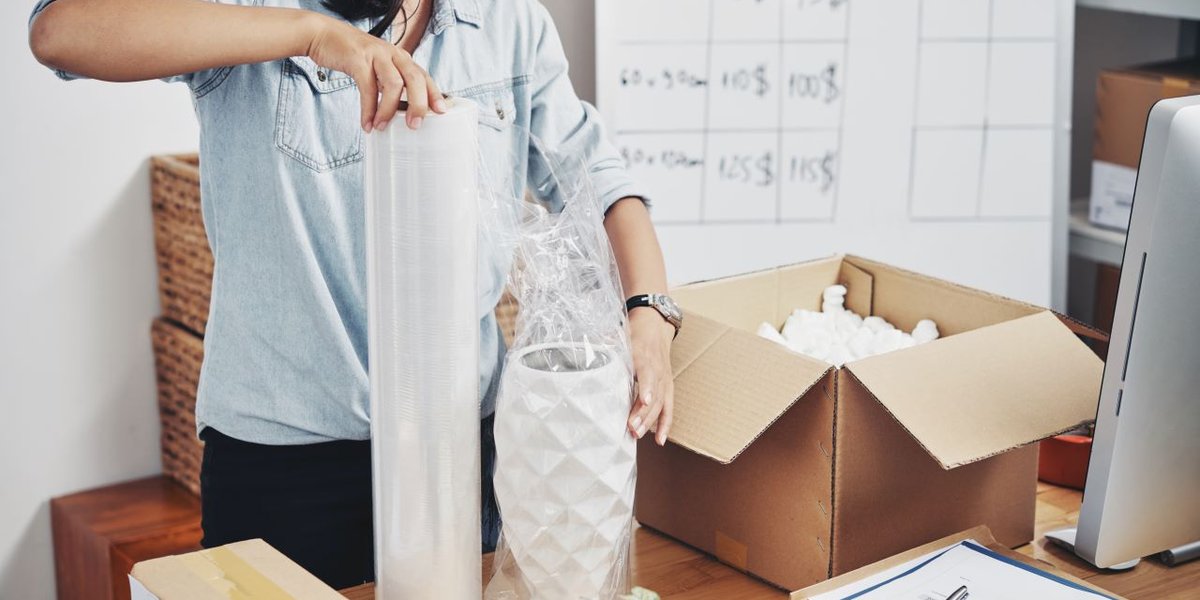
Packaging materials play a key role in logistics, ensuring the protection of goods at all stages of their transportation and storage. The right choice of packaging materials helps to minimize the risk of damage, maintain the quality of products and optimize logistics costs. Depending on the task, packaging materials can perform various functions: shock absorption, vibration cushioning, isolation from external influences, etc. In this article, we will take a detailed look at the three main types of packaging materials: absorbent, depreciation and insulating.
Absorbing packaging materials
- Definition and functions
Absorbing packaging materials are designed to protect cargo from exposure to moisture, condensate and other liquids. These materials are able to absorb and retain moisture, preventing its contact with products and, as a result, minimizing the risk of damage to goods.
- Types of absorbent materials
There are several types of absorbent packaging materials that vary in composition, scope and effectiveness.
- Silicagel. One of the most common absorbents, which is a solid porous substance that effectively absorbs moisture from the air. Silica gel is often used in packaging of electronics, optics, medicines and other products sensitive to moisture.
- Cellulosic absorbents. These materials are usually made from recycled paper and are capable of absorbing large amounts of liquid. They are used for packaging chemical and food products, as well as for transporting goods that require high protection from moisture.
- Oxygen sinks. Although the primary purpose of these materials is to prevent oxidation of products, they can also serve to protect against excess moisture. Packages with oxygen absorbers are used in food packaging, where long-term preservation is important.
- Applications in logistics
Absorbing materials are indispensable when transporting goods in conditions of high humidity or during long-term transportation, where there is a risk of moisture condensation. They are widely used in the packaging of medical products, food, electronic components and goods requiring special storage conditions.

Depreciation packaging materials
- Definition and functions
Depreciation materials are designed to protect goods from mechanical damage caused by impacts, falls, vibrations and other dynamic loads. The main task of such materials is to mitigate shocks and distribute the load, which helps prevent damage to the product.
- Types of depreciation materials
Depreciation materials can be different in shape and composition, depending on the transportation requirements and characteristics of the cargo.
- Bubble film. Made of polyethylene, this film contains thousands of small air bubbles that effectively absorb shocks and vibrations. Bubble film is used for packaging fragile goods such as glass, ceramics, electronics.
- Styrofoam. One of the most popular depreciation materials, which is lightweight and good cushioning properties. Foam is often used to create inserts in boxes that accurately repeat the shape of the product, providing reliable fixation and protection.
- Polyethylene foam. This material combines lightness, flexibility and high depreciation capacity. Polyethylene foam is used for packaging both small and large products that require additional protection.
- Corrugated cardboard. It is made of several layers of paper and can serve as both a basic packaging material and a cushioning layer. Corrugated cardboard is widely used in the transportation of furniture, household appliances and other large items.
- Applications in logistics
Depreciation materials are used in almost every branch of logistics, where it is necessary to ensure the protection of cargo from mechanical damage. This is especially important when transporting fragile or expensive goods, where even minor damage can lead to serious losses.
Isolating packaging materials
- Definition and functions
Insulating packaging materials are designed to protect cargo from adverse external conditions such as temperature, humidity, light and gas environment. These materials create a barrier that helps maintain optimal storage and transportation conditions.
- Types of insulation materials
Insulating materials vary depending on the type of exposure they protect against.
- Thermal insulation materials. Such materials include shrink films, foil materials and special thermal insulation coatings. They prevent overheating or supercooling of goods during transportation in extreme temperature conditions.
- Barrier films. These materials provide protection against the penetration of moisture, oxygen and other gases. Barrier films are used for packaging food, medicines and chemicals that require long-term storage.
- Antistatic materials. Protect electronics and other static-sensitive products from damage. Antistatic films and packaging ensure safe transportation and storage of such goods.
- Applications in logistics
Isolating materials are widely used in various industries, including food, pharmaceutical and chemical. They are especially important for international transportation, when the cargo is exposed to prolonged exposure to various climatic conditions.
Absorbing, depreciating and insulating materials perform specific functions that help maintain product quality and minimize losses during transportation and storage. The right choice and use of these materials plays a key role in successful logistics, reducing costs and increasing customer satisfaction.
The Art of Packaging: Variety of Packaging in Logistics. Study the types of containers to better understand the topic!