Container terminals of Russia: competition, Russian Railways, dry ports and multimodal logistics
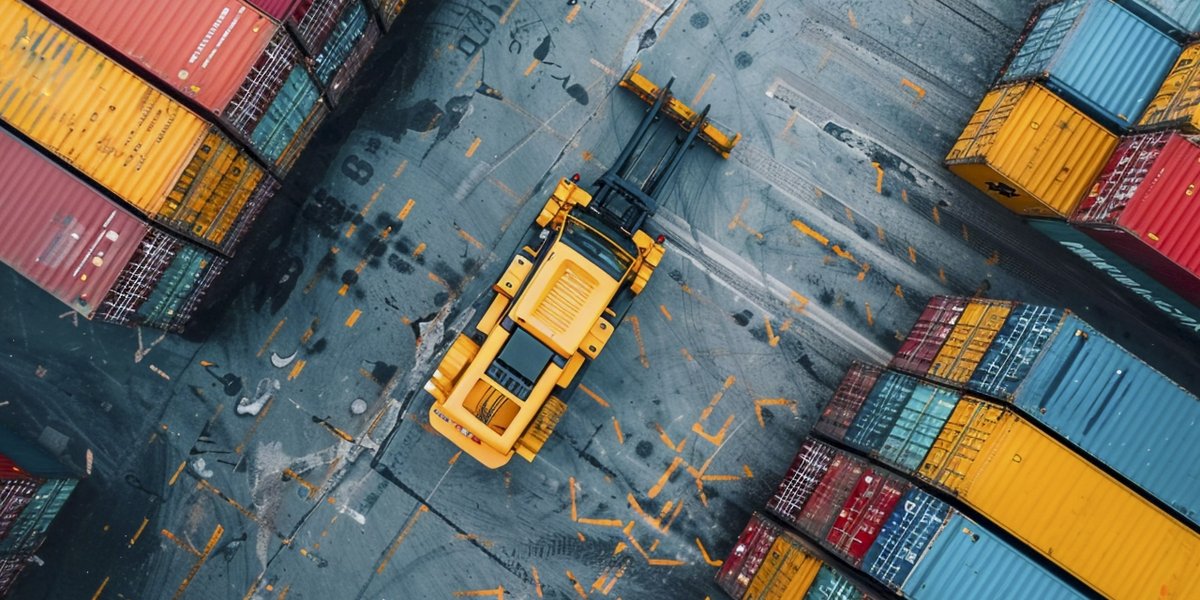
Modern container logistics in Russia It relies on a complex network of sea, rail and land hubs. At the centre of the system are:
- containership
- rail terminal
- port
- hub-port
- multimodal transport hub
Their development is directly related to the tasks Transport Strategy of Russiareorientation of export flows and growth of container turnover.
RZD terminal network and the role of railway hubs
The key role in the country plays terminal-network, which provides a bundle:
- Ports → Railways → Internal Regions
- Export corridors → ports of the Far East and South
- distribution of container flows across the country
Substantive functions:
- containerization
- train formation
- consolidation
- exportation
An important operator in the ecosystem are:
- RZD Business Asset
- TransContainer
- private terminal operators
Large port container terminals of Russia
Example of a key node:
- Novorossiysk terminal NUTEP
It is one of the largest southern container hubs providing:
- exports to the Mediterranean and Asia
- linkage
- transshipment
Also important:
- St. Petersburg port hub
- Far East (Vladivostok, Nakhodka)
Dry ports and inland container hubs
Containerization growth has led to development hub-port models.
Where key nodes are formed:
- Moscow Transport Region
- Western Siberia
- Urals as a transit zone
- Far East logistics as an export gateway
Role of internal hubs:
- redistribution
- port load reduction
- speed-up
- consolidation
Terminal capacity and efficiency
Key performance indicators of terminals:
Terminal capacity
This is the volume of containers that the terminal can handle during the period.
Container handling
Total number of containers passing through the terminal.
Dwell time terminal
Time of the container at the site.
Lower than dwell time - The more efficient the terminal is.
Container turnover
It shows how quickly the container returns to the shipping cycle.
Digitalization and slotting
Modern terminals are moving to digital management models:
Digitalization
- cargo handling automation
- electronics
- integration with Russian Railways systems
Slotting
- Preliminary allocation of train and ship delivery times
- downtime
- Optimization of terminal loading
Competition of terminals in Russia
Competition is developing in several areas:
1. Port versus port
- Novorossiysk vs St. Petersburg
- Far East vs Southern Directions
2. Railway operators
- TransContainer
- RZD Business Asset
- private logistics companies
3. Terminal networks
Formed containerizationWhere the winner is the one who:
- loading
- has digital integration
- Reduce logistics costs
Private investment and infrastructure development
The growth of the industry is stimulated by:
- Private investment terminals
- government programs
- Development of export corridors
Especially active is developing:
- container logistics
- Export logistics corridor Russia → Asia / Middle East
Terminal Differences: Key System Logic
All terminals differ in several parameters:
1. Geography.
- port
- inland (dry ports)
- frontier hubs
2. By type of transport
- containership
- railway terminals
- multimodal transport hubs
3. By function n
- overload
- storage
- distribution
- consolidation
4. In terms of digitalization
- base terminals
- automated
- RZD-integrated platforms
Container Terminal System of Russia - It's a single network where:
- RZD forms a railway frame
- Ports provide foreign trade
- Dry ports distribute internal flows
- Digitalization increases speed and reduces costs
Terminal competition today - This is not only a fight for cargo, but also a fight for:
- speed
- integration
- logistics efficiency
- portage