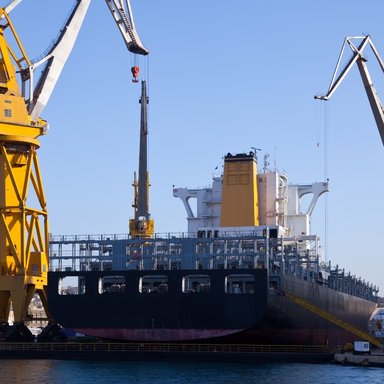
Air cargo terminals

Air cargo terminals play a key role in international logistics and trade turnover. Their task is to ensure fast, safe and efficient handling of cargo arriving and departing by air. In the era of accelerated globalization and the development of e-commerce, such terminals are becoming increasingly popular, especially for urgent and expensive goods.
What is an Air Cargo Terminal?
An aviation cargo terminal is a specialized infrastructure on or near an airport intended for receiving, storing, processing, customs clearance and sending air cargo.
Substantive functions:
- Reception and registration of goods;
- Storage (including temperature zones);
- Sorting and packaging;
- Security and inspection procedures;
- Customs clearance;
- Loading and unloading from boards;
- Document processing and logistics support.
Types of air cargo and terminals
By type of cargo:
- General goods domestic and industrial goods;
- Special goods Dangerous (DGR), perishable (PER), live animals (AVI), medicines (PHR);
- Valuable goods jewelry, cash, electronics;
- Humanitarian supplies Emergency supplies, rescue equipment.
For the purpose of the terminal:
- Universal. - accept all types of cargo;
- Specialized - with a narrow profile (for example, only for medical cargo or perishable products).
Advantages of Air Freight Terminals
1. Speed of delivery
- The fastest way to transport long distances (up to 10-20 hours between continents).
- Especially important for products with limited shelf life or urgent orders (for example, in electronic commerce or medicine).
2. High level of security
- Strict control measures: scanners, X-rays, security services.
- Protection against theft and unauthorized access.
3. Reliability and accuracy of the schedule
- Air travel tends to follow a clear schedule, especially at major international hubs.
4. Infrastructure for special storage conditions
- Refrigeration and freezers, temperature controlled areas, animal chambers, etc.
5. Minimizing storage time
- Fast handling and transshipment reduces the total time spent in the logistics chain.
6. Integration with customs
- Many terminals operate in a “one-stop shop” format with customs and sanitary authorities.
Disadvantages and limitations
1. High cost
- Air transportation is the most expensive form of transportation (5-10 times more expensive than sea or rail).
2. Limitations on volume and weight
- Limited carrying capacity of aircraft;
- It is impossible to transport bulky goods without special charters.
3. Strict rules for packaging and design
- International aviation standards (IATA, ICAO) are required.
- Errors in labeling or packaging lead to delays and fines.
4. Dependence on weather conditions
- Flights can be delayed due to fog, storm, icing, etc.
5. Uneven distribution of terminals
- Most of the terminals are concentrated in major megacities and international hubs. In remote regions, such terminals are either absent or poorly developed.
Examples of the largest air cargo terminals
| Airport | Country. | Annual volume (t) | Features |
| Hong Kong Intl (HKG) | Hong Kong | >4 million | Volume leader, focus on e-commerce |
| Memphis Intl (MEM) | USA | > 3.5 million | FedEx base |
| Shanghai Pudong (PVG) | China | > 3.5 million | China's main export hub |
| Incheon Intl (ICN) | South Korea | >2.9 million | Technological goods, pharmaceuticals |
| Frankfurt (FRA) | Germany | > 2.3 million | Central Europe, developed customs system |
Integration with multimodal logistics
Modern cargo terminals are often part of multimodal hubwhere aviation is combined with:
- by rail transport;
- seaports (transportation to the nearest ports);
- Automotive logistics.
This allows you to build flexible logistics chains taking into account the timing, cost and characteristics of the cargo.
For whom are aviation terminals relevant?
Main users:
- Manufacturers of medicines and vaccines;
- Online trading platforms (e-commerce);
- Exporters of fresh produce;
- Companies working with high-value goods (electronics, watches, jewelry);
- Organizations supplying urgent humanitarian supplies.
When should you use aviation?
Using an air cargo terminal makes sense when:
- Urgent delivery is more important than cost;
- The goods spoil in 3-5 days;
- The customer has special temperature requirements;
- The contract involves fines for failure of terms;
- There is integration with global e-commerce platforms (Amazon, Alibaba, etc.).
Air cargo terminals are an indispensable part of the global logistics system, enabling fast and reliable delivery worldwide. Despite the high cost, such terminals are used in the most critical segments - from medicine to international trade. Their effectiveness depends on infrastructure, customs interaction and the level of digitalization.
With a competent approach and integration with other modes of transport, aviation terminals become a powerful competitive advantage in the logistics of the XXI century.