Consolidation of cargo in warehouses
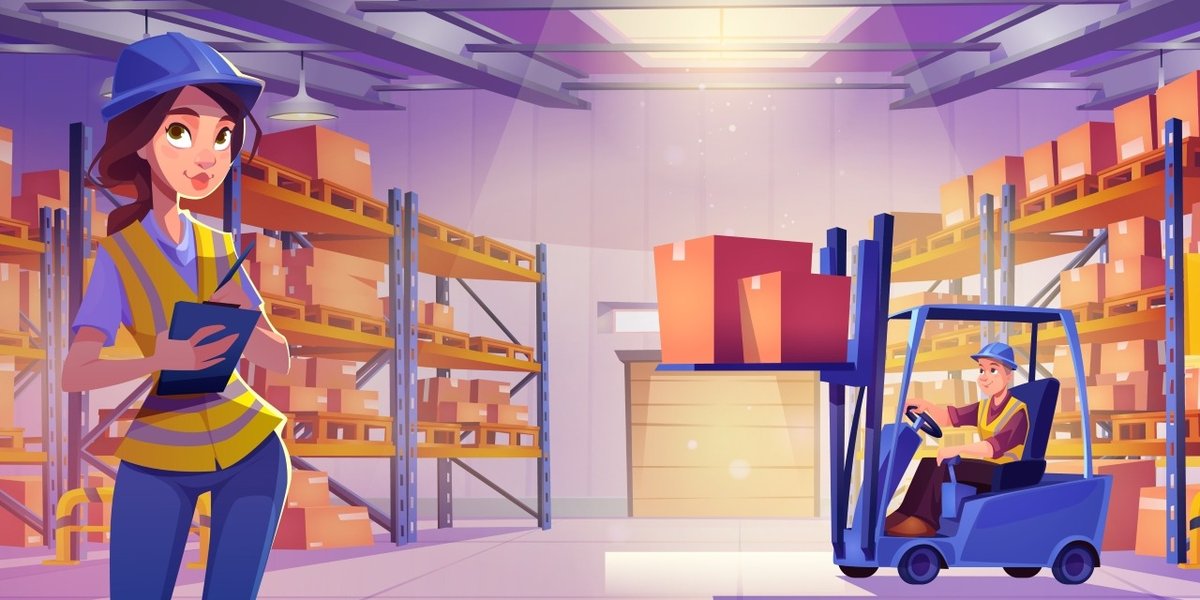
Consolidation of cargo is one of the key approaches in the optimization of logistics, allowing to reduce transportation costs and improve delivery times. In the article we will understand what consolidation is, how to organize an effective combination of supplies in a warehouse and what benefits this process can bring to business.
What is cargo consolidation and why is it needed?
Consolidation of cargo This is the combination of small consignments of goods from different suppliers into one cargo for joint transportation. This process allows:
- Reduce transportation costs, as the cost of transporting large cargo is much lower than several small ones;
- Optimize storage and transport logistics;
- Reduce delivery time and minimize the risk of damage to the cargo.
Consolidation is especially relevant for companies with small supplies from multiple suppliers, as well as for organizations engaged in international deliveries, where the cost and complexity of transportation can be high.
Benefits of cargo consolidation
Consolidation of goods in warehouses gives companies several tangible advantages:
- Savings on logistics costs
Combining multiple cargoes into one allows you to share delivery costs between customers, which reduces the cost of transportation and handling.
- Reducing the cost of warehousing
Consolidated cargo takes up less space in the warehouse, and this simplifies its organization and management.
- Acceleration of delivery times
Consolidation allows you to collect all the necessary goods for shipment in one cargo, which reduces delays and allows you to optimize the shipment schedule.
- Reducing the risk of damage to cargo
Assembling and packing goods for joint shipment allows them to be safely placed in a container and minimize the risk of damage.
- Improving control and transparency
Consolidation allows you to better track each shipment and simplify the reporting process.
Types of consolidation in warehouses
Consolidation can be organized in various ways, depending on the characteristics of the goods and the purpose of transportation:
- Internal consolidation
Combining cargo in the company’s own warehouse, which reduces transportation costs and provides full control over the process.
- External consolidation
Use of third party warehouses (e.g. consolidation centers or fulfillment centers) that accept goods from different suppliers and arrange their shipment.
- International consolidation
Combination of goods for international transportation, taking into account the specifics of customs procedures and requirements of each country.
How to organize the consolidation process in the warehouse
To effectively implement consolidation, it is important to properly organize the process in the warehouse, taking into account the following steps:
- Supply planning
- Determine the delivery schedule and shipping times for maximum filling of containers and machines.
- Predict supply volumes based on current demand, which will help to avoid idle loads in stock.
- Preparation and organization of storage space
- Allocate an area in the warehouse for consolidation and temporary storage of goods.
- Build a logistics infrastructure to store and move goods, including marking and zoning.
- Reception and processing of goods
- Accept all goods according to standards, which will help to avoid delays in the assembly of consolidation cargo.
- Perform quality standards and damage checks to avoid transportation problems.
- Compilation and packaging of consolidated cargo
- Pack products to protect against damage using containers, pallets, soft or hard packaging materials depending on the type of product.
- Number and mark each item of cargo for tracking.
- Documentation processing
Prepare documents for customs (if the cargo is international), transport invoices, invoices and other necessary papers.
- Shipment of goods
Choose the optimal transport depending on the volume and timing: road transportation, container shipping or air transportation for urgent deliveries.
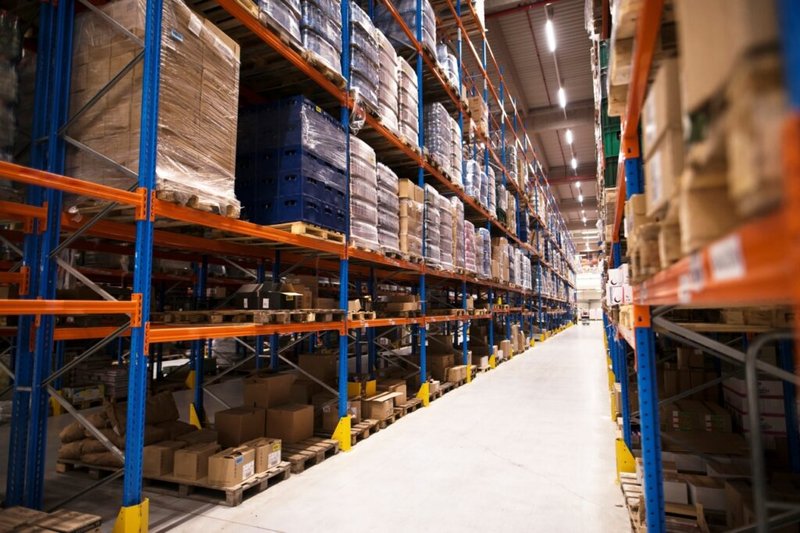
Technologies for managing consolidation in the warehouse
Modern technologies make consolidation much easier. The most effective solutions include:
- WMS (Warehouse Management System)
The warehouse management system helps to track each item, organize consolidation zones and obtain up-to-date information about the status of goods.
- Transportation Management Systems (TMS)
Software to optimize routes and track transportation of consolidated cargo.
- Marking and barcoding systems
The use of barcodes and QR codes allows you to quickly identify each unit of cargo and control the stages of processing and packaging.
- Process automation
Automated lines in warehouses reduce the processing time of goods and increase the accuracy of assembly and packaging.
How to choose a warehouse for consolidation
Choosing a warehouse is an important step in the consolidation process. The main criteria for choosing a warehouse for cargo consolidation include:
- Convenient location
The warehouse should be located near major transport hubs (ports, railway stations, airports), which facilitates transportation.
- Availability of specialized equipment
Warehouses with equipment for processing various types of goods are guarantees of reliability during consolidation.
- Availability of accounting and control systems
Warehouse, using WMS and TMS systems, simplifies the control process and allows you to track the cargo in real time.
- Cost and conditions of lease
Compare prices and conditions for renting warehouses to choose the best budget option.
Tips for Successful Consolidation of Goods in Warehouse
- Plan deliveries in advance
Early planning avoids situations where the warehouse is overcrowded and cargo cannot be shipped.
- Continuously monitor delivery times and volumes
Control over delivery times helps to organize consolidation and shipment in a timely manner.
- Use automation.
Automated processes reduce time and minimize errors.
- Work with reliable suppliers and transport companies
The quality of consolidation depends not only on the warehouse, but also on the speed of delivery and reliability of the carrier.
Consolidation of goods in warehouses is a key process for optimizing logistics, allowing to reduce transport costs, improve delivery times and provide control over shipment. Preparation for consolidation, competent organization of processes and the use of modern technologies will help your business to establish effective logistics and increase competitiveness in the market.