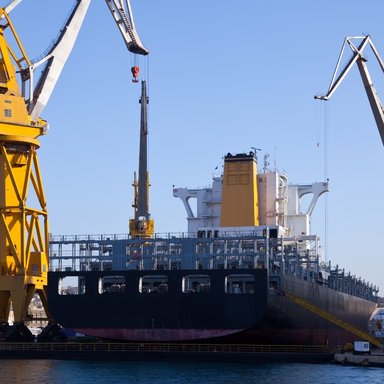
Main railway routes between China and Russia
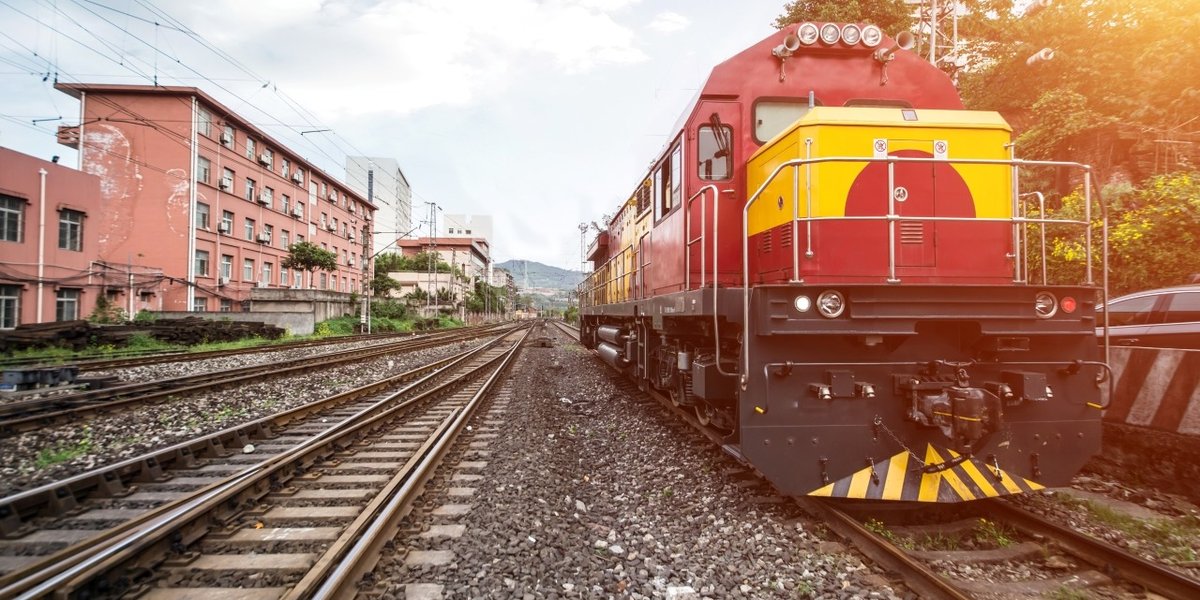
The railway connection between Russia and China is an important element of bilateral trade. Thanks to the developed infrastructure, railways provide delivery of a large number of goods - from raw materials to high-tech products.
In this article, we will look at the main railway routes between China and Russia, their key features, as well as the main categories of goods that are transported in both directions.
Main railway corridors China – Russia
The main cargo transportation routes between Russia and China pass through four key railway crossings:
Border crossings between Russia and China:
- Zabaikalsk - Manchuria
- Naushki - Ereentsav
- Grodekovo - Suifenhe
Border crossing through Kazakhstan:
- Dostykow - Alashankou
These routes serve bilateral trade as well as international transit traffic, including cargo to Europe under the Belt and Road Initiative.
Description of routes and their features
1. Zabaikalsk - Manchuria
Route description:
- The largest border crossing between Russia and China.
- It connects the Trans-Siberian Railway with the Chinese railway network.
- A key transport artery for bilateral trade.
Route features:
- Different track width (in Russia 1520 mm, in China 1435 mm) → requires overloading containers or changing wheel pairs.
- Capacity of up to 16 trains per day.
- High congestion, especially during seasonal peak periods.
2. Naushki - Ereentsav
Route description:
- Passes through the territory of Mongolia.
- It connects the Trans-Siberian Railway with the Chinese railway network through Ulaanbaatar.
- Suitable for cargo transportation from the central and western regions of Russia.
Route features:
- Requires congestion on the border of Mongolia and China due to the different width of the gauge.
- Less busy compared to the Trans-Baikal transition.
- It is used for accelerated delivery of goods.
3. Grodekovo - Suifenhe
Route description:
- It connects the Far Eastern Railway with Heilongjiang Province (Northeast China).
- It is important for trade between the border regions of Russia and China.
Route features:
- The proximity to the ports of Vladivostok and Nakhodka allows the use of multimodal transportation (railway + sea transport).
- Limited capacity compared to the Trans-Baikal transition.
- Optimal for transporting goods in demand in the Far East.
4. Dostyk – Alashankou (Kazakhstan – China)
Route description:
- It is used for transit through Kazakhstan.
- It connects Russian railway routes with the Chinese railway network.
- It is included in the international project “One Belt, One Road”.
Route features:
- High speed of transportation due to developed infrastructure.
- The main corridor for cargo from Russia and Europe to China.
- It is actively used for container transportation.
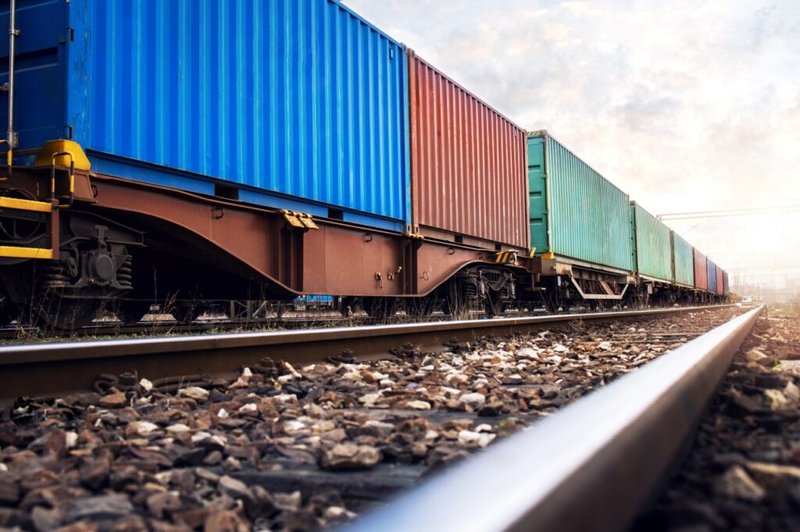
Main goods transported between Russia and China
What is going from Russia to China?
- Energy and raw materials:
- Coal
- Petroleum products
- Mineral fertilizers
- Industrial products:
- Metals (black, coloured)
- Forest and lumber
- Agricultural products:
- Grain.
- Meat and fish
- Oilseeds
What is going from China to Russia?
- Industrial equipment:
- Machine-building products
- Construction equipment
- Machines and spare parts
- Household appliances and electronics:
- Televisions
- Smartphones
- Computers
- Consumer goods:
- Clothing and shoes
- Auto parts
- Food (tea, spices, vegetables)
Advantages and challenges of rail transport
Advantages
- Economy is cheaper than air and road transport.
- High throughput – it is possible to transport large volumes of goods.
- Environmental friendliness – less CO2 emissions compared to motor vehicles.
- Stability – the railway is less exposed to weather conditions.
Challenges and challenges
- Different track widths require container overloading.
- Congestion of border crossings → there may be delays in the seasonal peak of transportation.
- Change of logistics routes due to sanctions.
- Limited infrastructure in some areas.
Future of rail transport between Russia and China
Prospective directions of development:
- Expansion of infrastructure at key transitions (Zabaikalsk, Naushki).
- Increased container traffic.
- Development of multimodal routes (railway + sea transport).
- Automation and digitalization of railway transportation.
Railway transportation between Russia and China continues to develop rapidly, providing fast, reliable and economical supplies of goods. In the coming years, the modernization of infrastructure will increase the volume of transportation, reduce costs and make logistics between countries even more efficient.