Sea ports of Russia: exports and imports
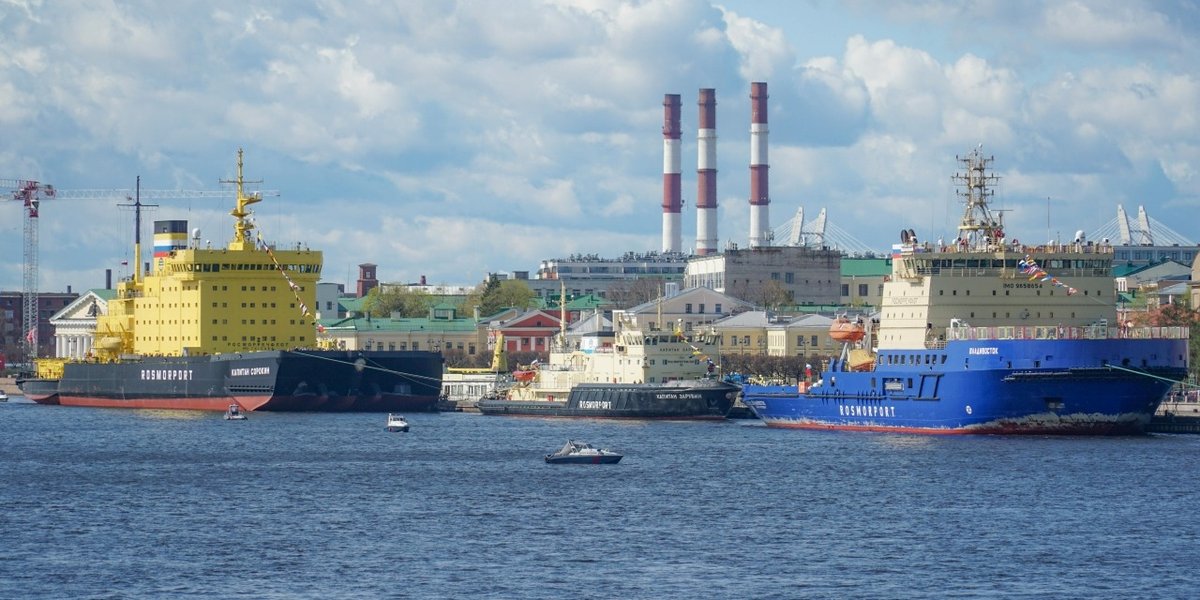
Russia has a vast territory and a favorable geographical position, has access to three oceans and several seas. This unique position allows the country to use seaports as major points for international exports and imports of goods. Seaports play an important role in the Russian economy, providing connectivity to foreign markets and creating strategic opportunities for foreign trade. Let’s look at the most important ports in Russia and their importance for the country’s economy.
The importance of seaports for the Russian economy
Seaports are the main transport hubs through which the main part of foreign economic cargo flows of Russia passes. In 2022, more than 60% of exports and imports were carried out through seaports. The development of port infrastructure and modernization of transshipment capacities allow expanding transport corridors and attracting additional investments to the regions.
Classification of Russian seaports
Russian seaports can be classified by their location in four main areas:
- Baltic Basin
- Black Sea basin
- Arctic basin
- Pacific
These basins have their own characteristics depending on climatic conditions, natural resources and geographical proximity to Russia’s trading partners.
Baltic ports: gateway to Europe
The Baltic basin is one of the most important for Russia in terms of exports and imports, as it trades with the European Union.
- St. Petersburg - the largest port in the Baltic and the main center of container transshipment. The main cargo traffic consists of petroleum products, metals and container cargoes.
- Ust-Luga - an actively developing port with high capacities for the export of coal, gas, petroleum products and fertilizers. It plays a key role in diversifying transport routes.
The strengths of the Baltic ports include proximity to the European Union and modern infrastructure, as well as year-round operation.
Black Sea ports: point of entry to the Middle East and the Mediterranean Sea
Black Sea ports provide Russia with access to the countries of the Middle East, Southern Europe and North Africa.
- Novorossiysk Russia’s largest port on the Black Sea. It specializes in the export of grain, oil and metals. The transportation of agricultural products is important.
- taman A port focused on transshipment of bulk cargo such as coal and grain. The prospects for the development of the port are associated with the expansion of its infrastructure.
Black Sea ports play a key role in agricultural exports and ensuring ties with southern partners.
Arctic ports: the path to resources and the Northern Sea Route
The Arctic basin is attracting attention due to the potential of the Northern Sea Route, which shortens the route between Europe and Asia.
- Murmansk An ice-free port key to the Northern Sea Route. It exports ore, coal and petroleum products.
- Sabetta A new port built to provide liquefied natural gas (LNG) exports from the Yamal Peninsula.
Arctic ports are strategically important for developing northern resources and opening new transport routes.
Pacific ports: a window to Asia
Ports in the Far East provide trade with Asian countries such as China, Japan and South Korea.
- Vladivostok The largest port in the Far East, specializing in container cargo and fish processing. It is also important for the supply of cars and equipment from Asia.
- The find A port focused on the export of coal and oil. There is also an infrastructure for container handling.
Pacific ports facilitate Russia’s integration into the Asia-Pacific region and provide important logistics channels for the import and export of goods.
Problems and prospects of development of seaports of Russia
Problems
- Lack of infrastructure and equipment wear. Many ports are in need of modernization.
- Dependence on world commodity prices, which affects transshipment volumes and investment attractiveness.
- Weather and climatic conditions in the Arctic that restrict navigation during the winter months.
Prospects
- Infrastructure development and port modernization. Investment in new technologies and increased transshipment capacity will help improve competitiveness.
- Expand international cooperation through the Northern Sea Route and improve ties with Asian and European partners.
- Ecotechnologies and sustainable development aimed at reducing the negative impact on the environment are becoming important for Russian ports.
Russia’s seaports play a crucial role in the country’s economy, providing access to global markets and forming strategic trade corridors. The development of port infrastructure, the introduction of innovations and the improvement of conditions for international cooperation can significantly strengthen Russia’s position in world trade.
Port addresses and contacts are listed below!
Port addresses and contacts
- Seaport of St. Petersburg
Address: St. Petersburg, street. Gapsala, 3.
Phone: +7 (812) 380-89-99
Website: www.seaport.spb.ru
- Ust-Luga seaport
Address: Leningrad region, Kingisepp district, Ust-Luga
Phone: +7 (812) 449-46-55
Website: www.ust-luga.ru
- Seaport of Novorossiysk
Address: Novorossiysk, St. Primorsky, 2.
Phone: +7 (8617) 22-00-53
Website: www.nmtp.info
- Taman seaport
Address: Krasnodar Territory, Temryuksky District, Volna p.
Phone: +7 (86148) 72-222
Website: www.port-taman.ru
- seaport of Murmansk
Address: Murmansk, street. Primorsky, 41.
Phone: +7 (8152) 55-08-00
Website: www.murmanskport.com
- Sabetta seaport
Address: Yamalo-Nenets Autonomous District, pos. Sabetta
Phone: +7 (495) 721-22-33
Website: www.yamalspg.ru
- Vladivostok seaport
Address: Vladivostok, St. Pushkinskaya, 3.
Phone: +7 (423) 230-77-77
Website: www.vmtp.
- Nakhodka seaport
Address: Primorsky Krai, Nakhodka, St. Port, 21.
Phone: +7 (4236) 69-37-51
Website: www.nakhodka-port.ru