Exports from Russia to China and from China to Russia
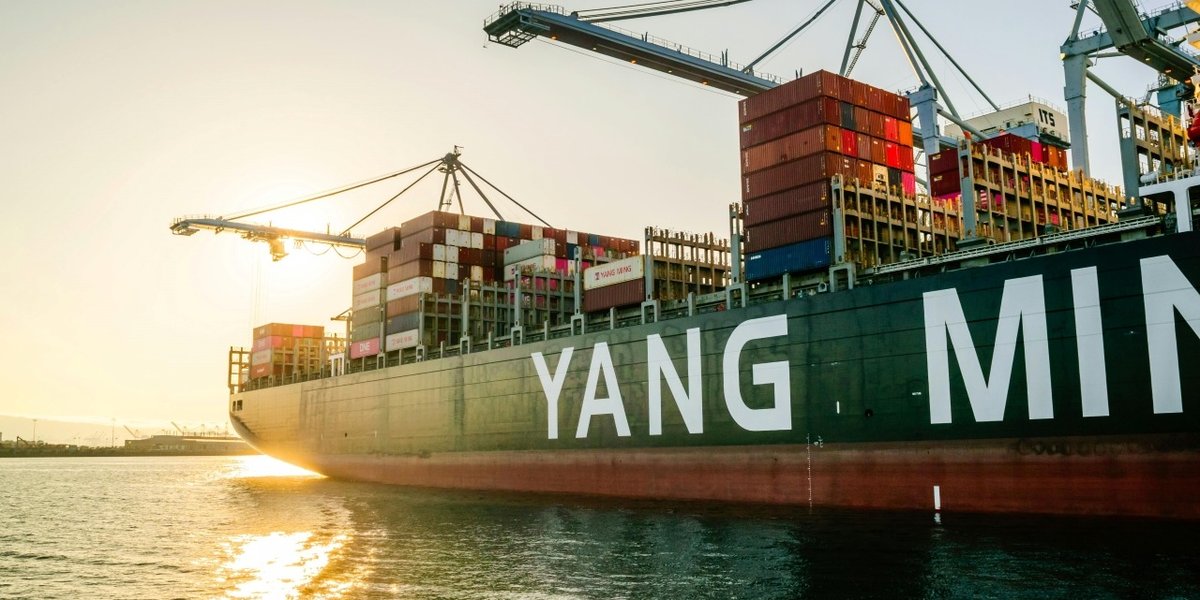
Russia and China are the largest neighboring countries that maintain extensive trade and economic relations. In recent years, there has been a steady increase in trade between the countries, due to the strengthening of political ties, economic reforms and the development of transport infrastructure. In this article, we will look at the main directions of exports from Russia to China and back, provide current statistics and describe the features of logistics.
Exports from Russia to China
Exports from Russia to China constitute a significant part of foreign economic relations. The main categories of goods include energy, agricultural products and metals.
- Main export commodities
Energy carriers:
- Oil and petroleum products: Russia is the largest supplier of oil to China. In 2022, oil exports amounted to about 86 million tons, generating revenue of about $58 billion.
- Gas: Power of Siberia is a major gas pipeline that supplies China with Russian natural gas. In 2023, gas exports exceeded 15 billion cubic meters, with plans to increase to 38 billion cubic meters by 2025.
Agricultural products:
- Grain: China is actively buying Russian wheat, the volume of deliveries of which in 2022 exceeded 4 million tons.
- Meat: Russia also boosted pork and beef exports, which rose 30% in 2023.
- Fish and seafood: Fish shipments totaled about $1 billion in 2022.
Metals and mineral resources:
- Coal: Russia supplied China with more than 70 million tons of coal in 2023.
- Ores and metals: Copper and aluminum exports are also important.
- Statistics
According to the Chinese Customs Service, in 2022 the volume of Russian exports to China amounted to $114 billion, which is 43% more compared to the previous year.
Exports from China to Russia
China traditionally supplies Russia with a wide range of goods, including electronics, household appliances, machinery and equipment, as well as textiles and consumer goods.
- Main export commodities
Electronics and technology:
Smartphones, computers, appliances and components account for up to 35% of Chinese exports to Russia.
In 2022, the volume of electronics shipments amounted to more than $ 20 billion.
Machinery and equipment:
China actively supplies construction equipment, trucks, agricultural machinery and railway equipment to Russia.
Textiles and clothing:
Clothing, footwear and textiles account for about 15% of total exports.
Light industry products:
Food, toys, furniture and medical equipment.
- Statistics
In 2022, the volume of Chinese exports to Russia amounted to $ 76 billion, an increase of 17% compared to 2021.
Logistics of trade between Russia and China
Efficient logistics plays a key role in bilateral trade. Geographical proximity allows you to use a variety of transport routes.
Main routes
- Rail transport:
The Trans-Siberian Railway and the Sino-Russian railway corridors link the cities of Russia and China.
Delivery time of goods - from 10 to 14 days.
In 2023, rail traffic amounted to 1.5 million TEU (equivalent to a twenty-foot container).
- Road transport:
Transportation is carried out through border points, such as Zabaikalsk-Manchuria and Blagoveshchensk-Heihe.
It is used for the delivery of small volume and perishable goods.
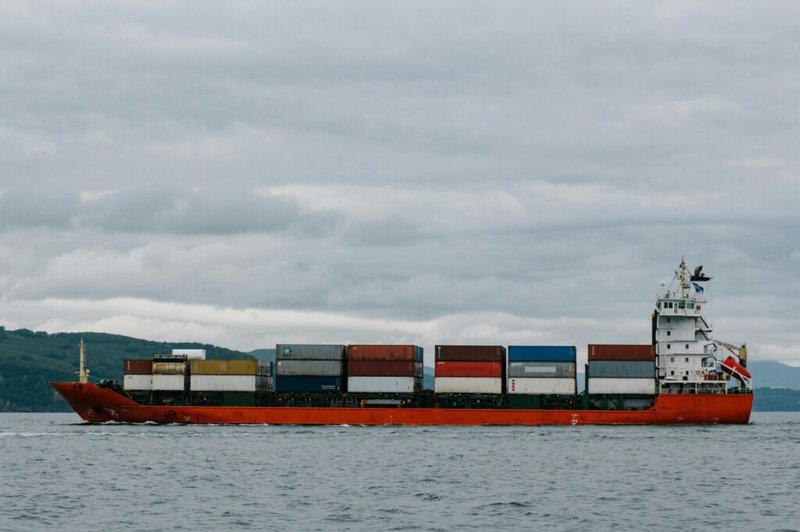
- Maritime transport:
The main ports are Vladivostok (Russia), Shanghai and Dalian (China).
Exports of large volumes of oil, coal and metals.
- Pipeline transport:
Power of Siberia for gas and oil pipelines for oil.
High efficiency for energy resources.
Logistical challenges
- Border capacity: Lines at the border points of Zabaikalsk and Blagoveshchensk.
- Infrastructure: The need to modernize railway tracks and ports.
- Sanctions restrictions: The impact of Western sanctions on financial transactions and equipment supplies.
Perspectives and conclusions
- Growing trade turnover
By 2024, the total trade between Russia and China could exceed $200 billion. Digitalization of logistics and deepening of economic integration will be an important direction of development.
- Export diversification
Russia is seeking to expand its export portfolio by adding more high-value-added products, including fertilizers, chemicals and processed foods.
- Infrastructure cooperation
Plans for the development of the International East-West Transport Corridor and new pipelines can significantly accelerate the delivery of goods.
Trade between Russia and China is an example of dynamic economic cooperation, where each side benefits significantly. Despite the current logistical and economic challenges, the growth potential remains significant. Joint development of infrastructure, deepening of trade relations and adaptation to the new conditions of the world market will allow achieving even higher rates in the future.