Auto logistics in the SCO and BRICS countries
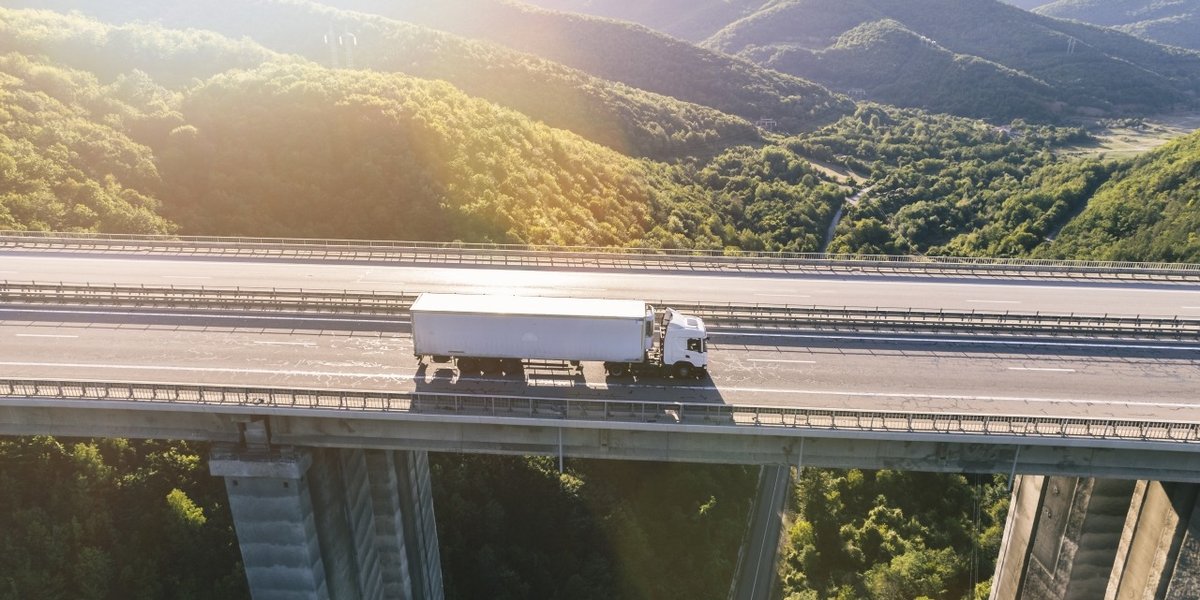
With increasing integration among the countries of the Global South, the role of automotive logistics in the economies of developing countries is increasing. SCO (Shanghai Cooperation Organization) and BRICS They became platforms for a new format of multilateral economic cooperation. While attention has traditionally focused on Russia and China, the rest of the participants are also shaping important logistics routes and infrastructure. This article is a review SCO and BRICS Autologistic Systems and Potential without Russia and China.
Composition of countries in focus
BRICS (without Russia and China):
- India
- Brazil
- South Africa
- Egypt
- Ethiopia
- Iran
- Saudi Arabia
- UAE
- Argentina
SCO (without Russia and China):
- India
- Pakistan
- Iran
- Kazakhstan
- Uzbekistan
- Kyrgyzstan
- Tajikistan
Note: some countries overlap, participate in both organizations.
India is Asia’s future logistics giant
State of roads:
- Total network: >6.3 million km (second largest in the world)
- More than 40% of cargo is transported by road
- High-speed corridors: Bharatmala, Delhi-Mumbai Expressway
International transport initiatives:
- INSTC (International North-South Transport Corridor)India-Iran-Caucasus-Central Asia
- Transport integration with Bangladesh, Nepal and Bhutan
- Indian support for logistics centers in Iran (Chabahar port)
Problems:
- Narrow roads in rural areas
- Congestion in agglomerations
- Disparate regulatory framework for international transport
Iran – land bridge between Asia and the Middle East
Autologistic infrastructure:
- Length of roads: ~220 thousand km
- Strategic highways connect Bandar Abbas port with Turkey, Iraq and Caucasus
- Development of the freight corridor Chabahar – Zahedan – Afghanistan
Key routes:
- INSTCUsed as an alternative to the Suez Canal
- Iran-Pakistan-ChinaIntegration with CPEC and Central Asia
Problems:
- International Sanctions – Restriction of Transportation and Equipment
- Lack of logistics IT solutions
Brazil – autologistics against the background of difficult terrain
Road system:
- ~1.7 million km of roads, but only 12% are paved
- Logistics is tied to the connection “ports – cities – agricultural production”
- Programme programmes BR-163. BR-101. PAC (Programa de Aceleração do Crescimento)
Autologistic feature:
- Transportation of agricultural products (soybeans, corn, sugar) to ports (Santos, Paranaguá)
- Use of long-distance road trains and tractors
Problems:
- Depreciation of infrastructure
- High cost of logistics (up to 20% of the cost of production)

South Africa is the logistics center of the southern continent
Development:
- 750,000 km of roads, good quality on national roads
- Dense network of logistics hubs: Durban, Johannesburg, Cape Town
- Private Logistics (Imperial Logistics, Barloworld)
Neighbourhood relations:
- Corridor transporter Maputo, Beira, North-South Corridor
- South Africa – anchor for transportation between countries SADC (Commonwealth of Southern Africa)
Problems:
- Crime and cargo risks in some areas
- Problems with truck maintenance and dependence on diesel fuel
Saudi Arabia and UAE – logistics of the future
UAE:
- Advanced system intellectual roads
- Highway network connecting to Oman, Saudi Arabia and ports
- Major logistics hubs: Jebel Ali, Dubai Logistics City
Saudi Arabia:
- Programme Vision 2030: development of Neom – Red Sea – Persian Gulf corridors
- New generation automotive infrastructure + transition to multimodal hubs
Central Asia (Kazakhstan, Uzbekistan, Kyrgyzstan, Tajikistan, Pakistan)
General features:
- Increasing traffic flows through corridors:
China – Central Asia – Iran
China – Kazakhstan – Caucasus – Turkey (TITR)
- Logistics is largely based on trucks from Turkey and Iran.
- Restrictions: outdated park, difficult terrain, borders
Development:
- Uzbekistan and Kazakhstan invest in road corridors and dry ports
- Construction of new checkpoints and simplification of transit procedures
Comparative table of autologistical capabilities
| Country. | Condition of roads | ITC participation | Problems | Potential |
| India | It's evolving. | INSTC, SAARC | Traffic, weak control. | Regional hub |
| Iran | Strategic | INSTC, ECO | Sanctions, lack of equipment | Connection between Asia and the Middle East |
| Brazil | Uneven | Mercosur | Wear of roads, high cost | Agricultural export traffic |
| South Africa | Sustainable. | SADC | Security, congestion | South Africa |
| UAE | Excellent. | GCC, IMEC | Dependence on the import of machinery | High-tech hubs |
| Kazakhstan | Improving. | TITR, CAREC | Borders, old car park | Eurasian transit corridor |
Automotive logistics It is becoming increasingly important in the developing south of the world.
SCO and BRICS (without Russia and China) They form their unique logistics architecture dominated by INSTC, GCC, SADC and TITR projects.
Investments Road infrastructure, digitalization and customs coordination They are critical to the growth of logistics efficiency. Expected in the future Integration of logistics with rail and sea routesEspecially at the crossroads of the Middle East, South Asia and Africa.