Incoterms terms
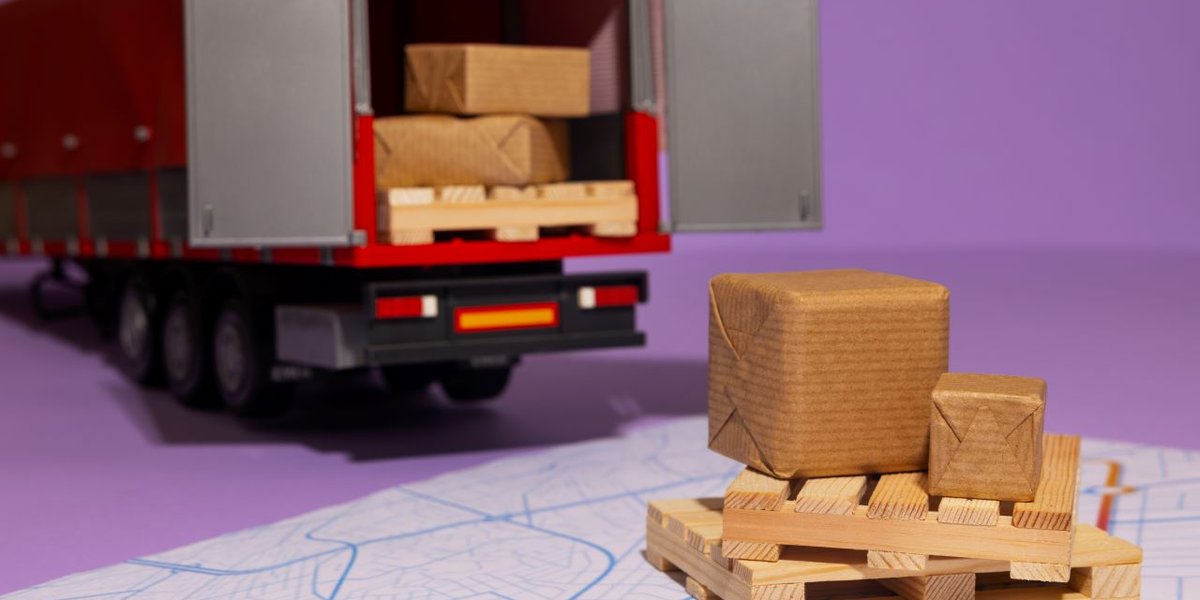
Incoterms are international rules and standards developed by the International Chamber of Commerce to facilitate international trade transactions. They determine the obligations of the parties, the allocation of risks and the costs of transporting the goods. Incoterms 2020 became relevant from January 1, 2020.
Main Incoterms categories
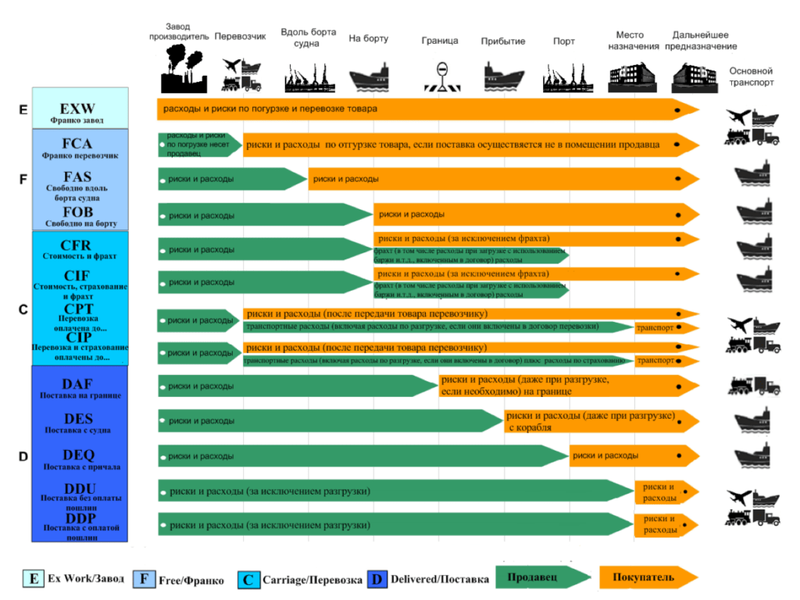
Incoterms are divided into two main categories:
- Groups for any mode of transport:
- EXW (Ex Works/French factory): The seller provides the goods at his enterprise, then all risks and costs fall on the buyer.
- FCA (Free Carrier / French Carrier) The seller transfers the goods to the carrier designated by the buyer.
- CPT (Carriage Paid To / Freight/Carriage paid before): The seller pays for delivery to the specified place, but the risks pass to the buyer after the transfer of the goods to the carrier.
- CIP (Carriage and Insurance Paid To): The seller pays for delivery and insurance to a specific location.
- DAP (Delivered at Place / Destination) The seller bears costs and risks until the delivery of the goods to the designated place.
- DPU (Delivered at Place Unloaded): The seller is responsible for the delivery and unloading of the goods.
- DDP (Delivered Duty Paid): The seller bears all costs, including duties and taxes, until the delivery of the goods.
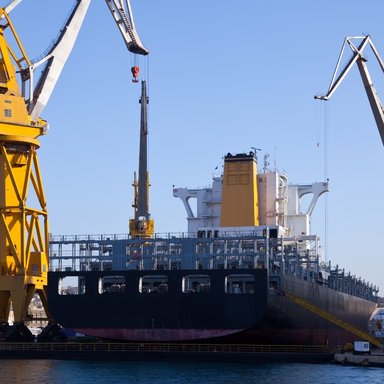
- Groups for maritime and inland waterways:
- FAS (Free Alongside Ship/Franco) The seller delivers the goods to the ship, after which the risks pass to the buyer.
- FOB (Free On Board) The seller bears risks and costs until the goods cross the ship's handrails.
- CFR (Cost and Freight): The seller pays for delivery to the port of destination, but the risks pass to the buyer after loading on the ship.
- CIF (Cost, Insurance and Freight): The seller pays for delivery and insurance, but the risks pass to the buyer after loading on the ship.
Importance of Incoterms
Incoterms define the rights and obligations of the parties in international trade, minimizing the possibility of disputes. They regulate risk liability, transportation, customs procedures and insurance. The right choice of conditions allows companies to plan and optimize logistics costs effectively.
Application in practice
The use of Incoterms depends on the type of goods, the country of delivery and the specifics of the transaction. Companies often choose the conditions that best fit their business model. For example, manufacturers who want to minimize risks and costs can choose EXW terms, whereas buyers who want to receive goods with minimal logistics costs can choose DDP.
Knowledge of Incoterms is critical for all participants in international trade. They simplify the contracting process by making transactions transparent and predictable. It is important to understand the difference between the different terms and conditions and choose them correctly for your trades to minimize risks and costs.