New list of dual-use goods
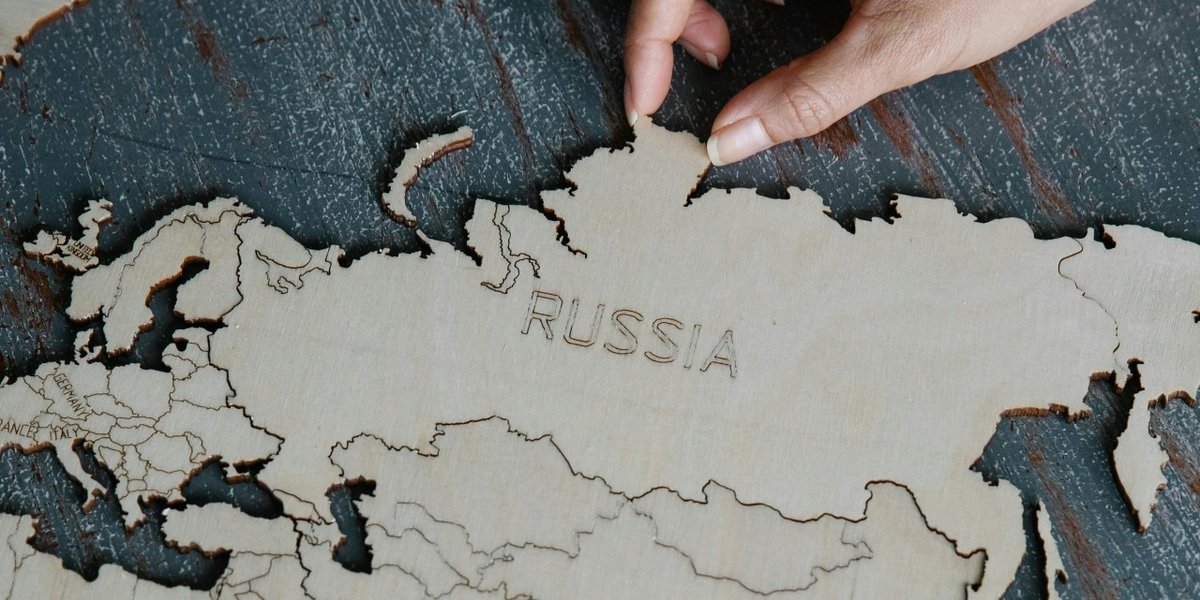
On December 1, an updated list of dual-use goods subject to export control came into force, which significantly limits supplies from China to Russia. The move covers tens of thousands of products, from electronics and metals to utensils and machine tools. Despite the difficult conditions, experts are confident that trade between the countries will not stop completely, although additional barriers will inevitably affect the cost and timing of deliveries.
What changed?
The new list includes 10 product categories, each of which consists of thousands of items. Exports of these goods now require:
- obtaining a special license,
- Information about the final recipient.
Such measures create difficulties for Russian importers, increasing the timing of transactions and logistics costs.
Export controls may also impede the supply of sanctioned products that previously flowed through third countries.
Banking crisis: a new challenge for importers
The updated U.S. sanctions included in the list of restrictions more than 50 Russian organizations, including major state banks such as Gazprombank and Dom.RF. Chinese banks, including the Bank of China, began to refuse to process payments from sanctioned structures.
This led to:
- Blocking payments: Paying for goods from China is becoming difficult, especially for companies associated with sanctioned banks.
- Increased costs: The use of intermediaries increases commission costs and payment deadlines.
Regional Chinese banks continue to work with small Russian banks that are not subject to sanctions. In addition, importers use alternative payment schemes, including cryptocurrencies and pad companies.
Sanctions and prices: how it will affect consumers
Experts note that increased sanctions pressure will inevitably lead to higher prices for Chinese goods. Main reasons:
- Increased logistics and payment costs,
- Transparency issues causing increased customs controls
- Extra calculation of customs payments.
Yuri Liandau, a professor at Plekhanov University of Economics, emphasizes that sanctions increase the cost of transactions and increase the timing of transactions.
The Future of Russian-Chinese Trade
Despite the difficulties, experts do not see the threat of a complete halt in trade. Major trends:
- Bypass schemes: Use of barter transactions, payment agents and netting through third countries.
- Alternative financial systems: Development of dollar-independent settlements.
Dmitry Svetlov, managing partner of the PravoVED center, is confident that Russian-Chinese trade will continue, although an increase in the value of transactions is inevitable.
Business recommendations
- Optimization of logisticsWork with proven logistics companies that can minimize risks.
- Work through regional banksUse of Chinese regional banks that are not subject to sanctions.
- Strengthening contractual control: Detailed documentation of transactions to minimize claims from customs.
- Investing in alternative settlement schemes: Includes cryptocurrencies and independent financial platforms.
The new export regulation from China to Russia significantly complicates foreign economic activity, but does not jeopardize it. Importers need to adapt to new conditions, using flexible payment schemes and modernizing their approaches to logistics. In the short term, this will lead to higher prices, but in the long term, such challenges can stimulate the development of alternative economic mechanisms.