Silk Road: The Millennium
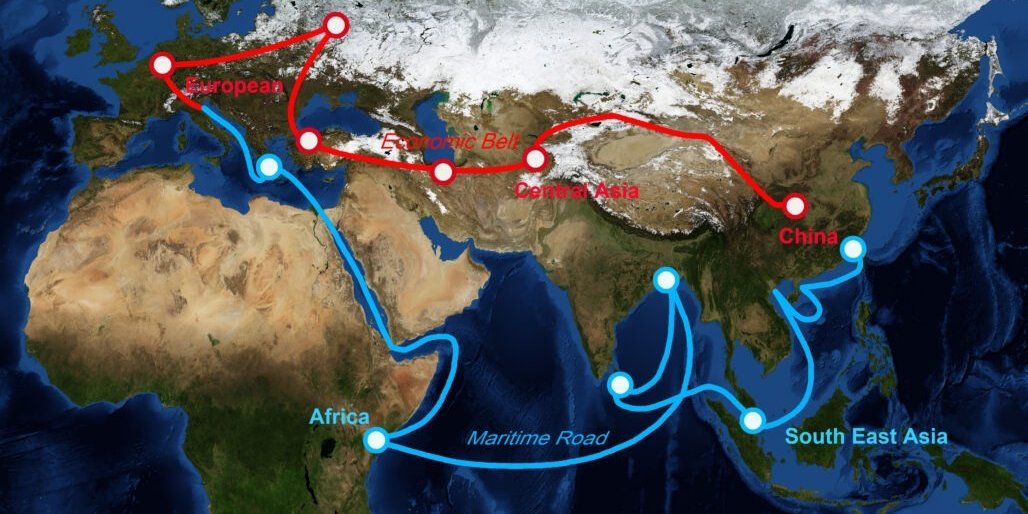
What's the Silk Road?
The Silk Road is an ancient network of trade routes that connected the eastern and western parts of Eurasia. It gets its name from the silk trade, but over the centuries a variety of goods including spices, precious metals, jewelry, ceramics, as well as cultural and religious ideas have been transported along this route. The path is considered one of the most significant routes in the history of mankind and is a symbol of globalization in ancient times.
Significance of the Silk Road
The Silk Road was of great importance for the development of world trade, economy and culture. This route facilitated the exchange of goods and ideas between East and West, stimulated the development of cities, contributed to the spread of knowledge and technology. Thanks to the Silk Road, the integration of different cultures, mutual understanding between peoples and the flowering of art and science took place.
Opportunities of the Silk Road
The Silk Road provided opportunities for trade, exchange of culture and knowledge not only to merchants and trading companies, but also to researchers, scientists, diplomats and missionaries. It has been a meeting and mixing place for different ethnic groups and cultures, promoting the spread of religions and languages, and strengthening international relations.
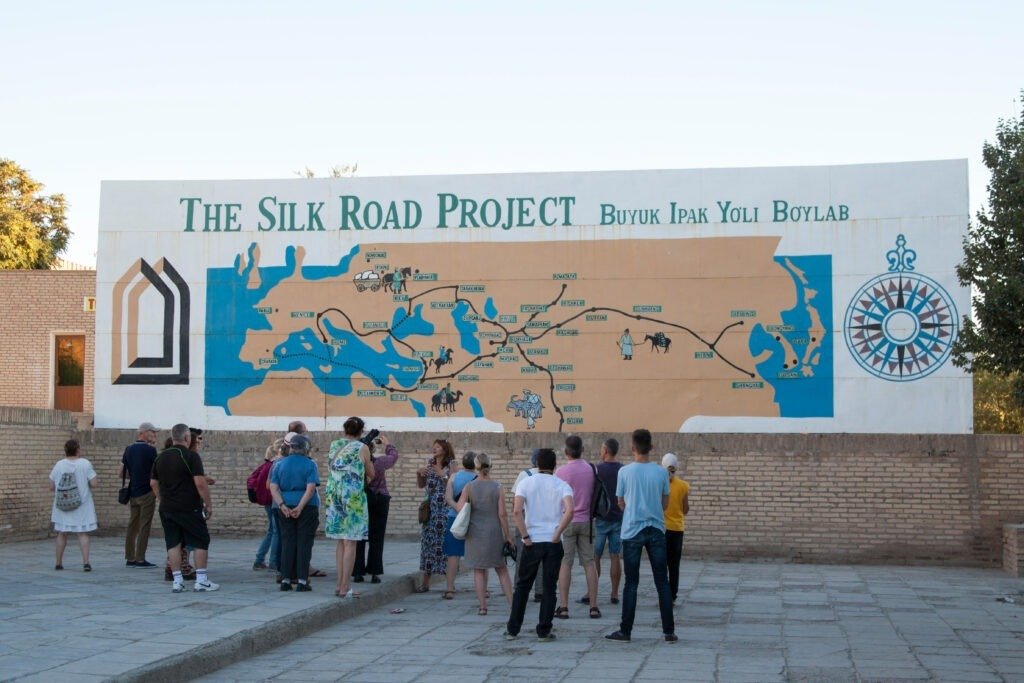
The creators of the Silk Road
The Silk Road was inspired by ambitious rulers and empires such as Qin Shi Huang and the Han Dynasty in China, as well as the Roman Empire and many others. These rulers encouraged trade and cultural exchange between nations.
The main stations of the Silk Road
The main stations of the Silk Road include such cities as Chinatown, Lanzhou, Zhengzhou, Zhenjiang, Luoyang, Bukhara, Tashkent, Samarkand, Baghdad, Damascus, Constantinople and many others. These cities were key nodes on the Silk Road, where trade, cultural exchange and enrichment took place.
Countries Linked to the Silk Road
Countries that are most tied to the Silk Road include China, India, Iran, Iraq, Turkey, Syria, Afghanistan, Pakistan, Russia, Uzbekistan, Kazakhstan and many others. These countries played an important role in the history and development of the Silk Road, ensuring its functioning for centuries.
Our team has prepared a series of articles about the Silk Road for you. In each article, we will tell you about the individual provinces, cities and countries through which this trade route passes. What is produced, markets and attractions, privileges that exist in specific points of the Silk Road.