Dunhuang – Historic City on the Silk Road
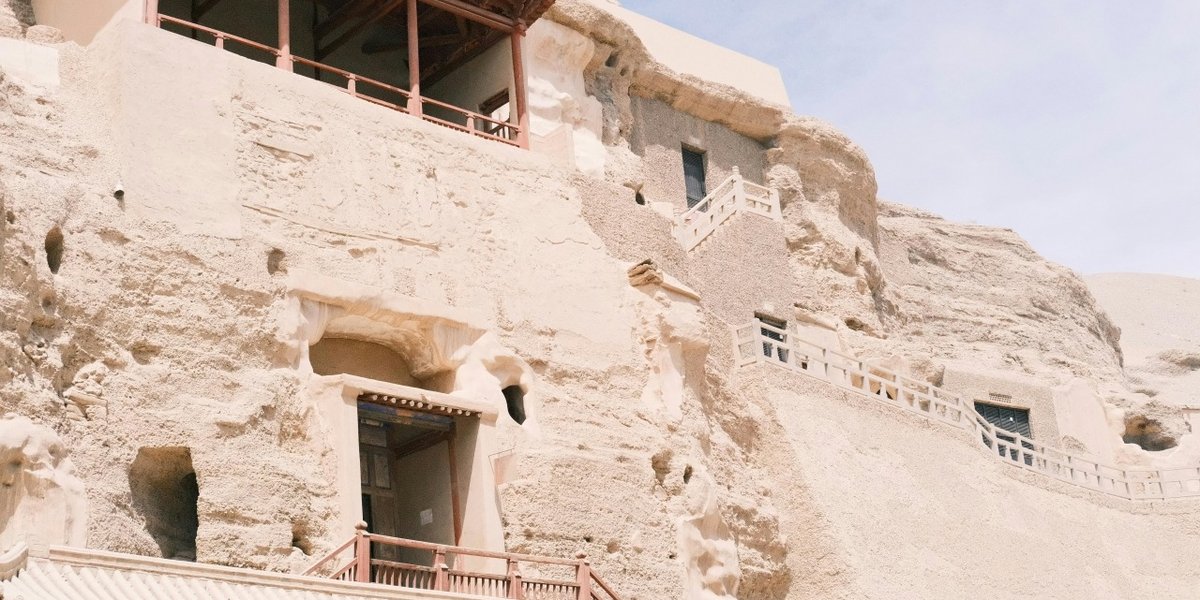
Dunhuang is an ancient city in Gansu Province in northwest China, located at the western edge of the Gobi Desert. Since ancient times, this city has played a key role as a strategic point on the Silk Road, connecting China with Central Asia and the Middle East. Dunhuang is famous for its cultural attractions, unique landscapes and important historical heritage.
Strategic importance of Dunhuang
- Point of intersection of trade routes:
Dunhuang was an important node on the ancient Silk Road, through which caravans carried silk, spices, jewelry and other goods.
- Gateway to Central Asia:
The city served as the last stop for Chinese traders before entering the western territories.
- Cultural significance:
Due to the mixture of cultures, Dunhuang became a center of art and religion, especially Buddhism, which left a significant mark on the history of the city.
Dunhuang Logistics and Transport
- Rail transport:
Dunhuang Railway Station serves both passenger and freight traffic, providing connections to China’s main cities.
Railway lines link Dunhuang to Lanzhou, Urumqi and other key hubs.
- Dunhuang Airport:
Description: Dunhuang Mogao International Airport provides air links to major cities in China, including Beijing, Shanghai, Xi'an and Lanzhou.
Features: The airport is actively used by tourists and cargo companies to transport goods and passengers.
Address: Dunhuang Airport Road, Gansu, China.
- Road connections:
Dunhuang is connected to neighboring regions through major highways, including highways leading to Lanzhou and Urumqi.
Bus routes provide local connections to nearby attractions and cities.
- Freight transport:
The city plays an important role in the transportation of goods between northwestern China and Central Asia due to its well-developed logistics infrastructure.
The main types of transportation include road and rail transport.
Key attractions of Dunhuang
- Mogao Caves (Mogao Grotta)
One of the most famous Buddhist monuments in the world. The complex consists of 492 caves decorated with frescoes, Buddha statues and unique works of art.
Mogao’s murals reflect more than a thousand years of Chinese history, religion and culture.
Address: Mogao Caves Scenic Area, Dunhuang, Gansu, China.
Phone: +86 937 8825003.
- Lunar Lake (Crescent Lake)
A picturesque crescent-shaped lake located among the sand dunes of the Gobi Desert.
Despite the arid climate, the lake retains its shape and purity of water for centuries.
Address: Yueyaquan Scenic Area, Dunhuang, Gansu.
How to get there: Buses to Yueyaquan Park ().).
- Singing Sands (Mingsha Shan)
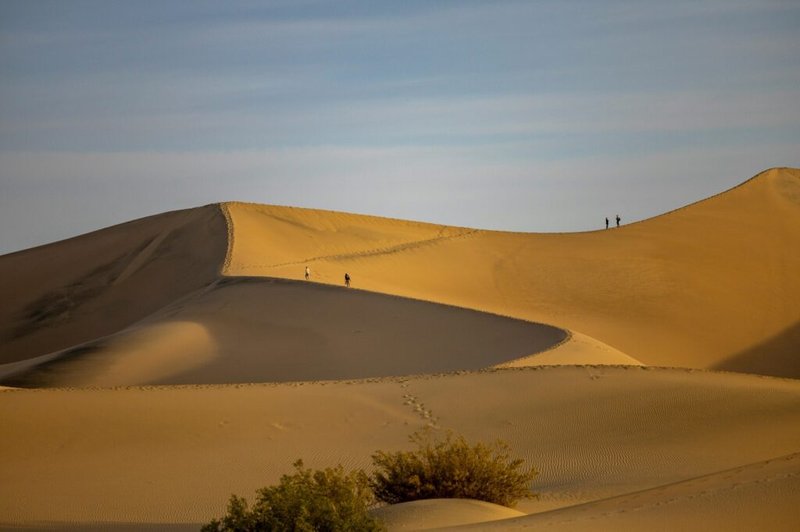
Huge sand dunes, which when the sand moves, make melodic sounds that resemble music.
Riding camels, climbing dunes and watching the sunsets.
Address: Mingsha Mountain Scenic Area, Dunhuang, Gansu.
- Dunhuang Museum
A museum displaying archaeological finds, manuscripts and artifacts discovered in Mogao caves and on the Silk Road.
Address: No. 1390 Mingshan Road, Dunhuang.
Phone: +86 937 8823161.
Dunhuang Markets and Shopping Centres
- Dunhuang Night Market
A vibrant market with local produce, handicrafts and traditional dishes.
Address: Shazhou Night Market, Dunhuang.
- Souvenir Market at Mogao Caves
Replicas of frescoes, Buddha statuettes and art products are sold here.
Address: Entrance to Mogao Grotta.
- Central shopping district
Here you can find shops with local goods, products and textiles.
Address: Dunhuang Downtown Area.
Dunhuang Economy and Industry
- Tourism: The tourist industry is the backbone of the city’s economy due to the popularity of Mogao Caves and natural attractions.
- Agriculture: Dunhuang is known for its grape plantations and the production of high-quality dried fruits.
- Trade: Historically, the city is a trading hub, and today it supports the transit of goods between China and Central Asian countries.
- Crafts and folk art: The city has developed the production of souvenirs, wood carving, ceramics and art painting.
Benefits of working and business in Dunhuang
Tourism development: The city attracts millions of tourists annually, creating opportunities for hotel business, restaurants and trade.
State support: The authorities are actively developing infrastructure and providing benefits for small and medium-sized businesses.
Logistics and transport Dunhuang has convenient transport links with other cities of Gansu Province and Central Asian regions.
Environmental resources: Unique natural conditions and the presence of tourist facilities create prospects for ecological and cultural tourism.
Dunhuang is a unique combination of historical heritage, natural beauty and economic potential. This city attracts both tourists from all over the world and businessmen who want to develop projects in the field of tourism, trade and production. A rich culture, historical monuments and dynamic development make Dunhuang an important center on the modern Silk Road.
Already read it. penultimate article from the Turfan series?