China's Customs Reform 2025
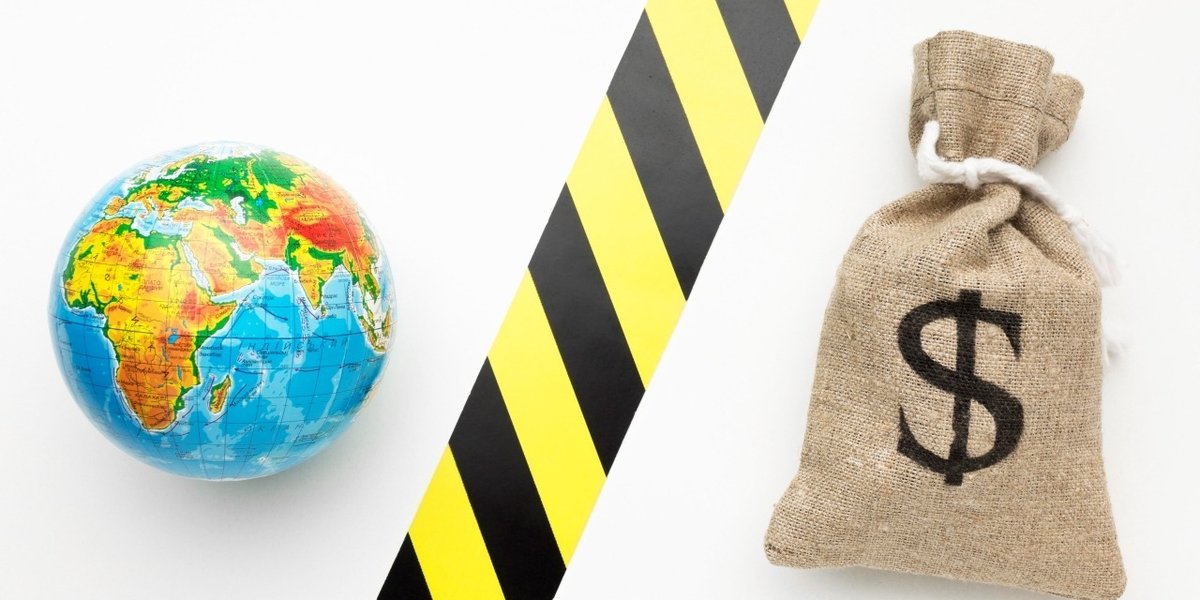
From January 2025 in China came into force updated Criteria for Customs Administrative Penalties (II). This is the first time China has formally revised its approach to minor customs violations, making the system more flexible and predictable. The innovations concern both large exporters and individuals, and open the way to a more balanced regulation of foreign economic activity.
What has changed: more flexibility, fewer penalties
Previously, Chinese customs authorities practiced a strict approach - even for minor inaccuracies in the declaration, you could get a fine. In 2025, the focus shifted: if the violation is primary, has not caused damage and was quickly corrected, sanctions do not apply. This is especially important for sectors with high precision requirements, such as sanitary and quarantine controls.
Key changes:
- The notion "primary breach" He will not be punished in good faith and without damage.
- Mistakes can be corrected without sanctions if they do not pose a security risk.
- The new rules are especially important for goods with phytosanitary markings, food products, wood packaging.
Who will be affected by the new rules
Exports to China
Especially those who supply:
- Food;
- Agricultural raw materials;
- Wood and its products;
- Animal feed;
- Phytosanitary packaging materials (ISPM 15)
It is now easier for them to defend their rightness in case of accidental errors in declarations. If the violation is not systemic, fines can be avoided.
Logistics companies and customs representatives
Errors in filling out documents do not always result in sanctions. The main thing is to quickly correct them and prevent recurrence. This creates more predictable conditions for international transport.
Packaging manufacturers
If the packaging complies with international standards and there are no quarantine risks when importing, the violation is recognized as insignificant - there will be no punishment.
Tourists and individuals
Individuals are allowed to import products in reasonable quantities for personal consumption. If the person did not hide the goods and did not violate quarantine norms, there will be no fines. This is especially important for transit passengers and travelers from CIS countries.
Where, on the contrary, tightened control
Despite the liberalization of some rules, in some areas the rules have become stricter. This reflects the priorities of the state in the field of safety and health of the population.
Food products
When importing, it is necessary to document the origin, route and storage conditions of the products. If there is no data, a fine is provided. It is important to follow the entire tracking chain.
Dangerous goods
Fireworks, chemicals and other hazardous materials must be inspected. Attempts to circumvent control are punished as severely as possible, regardless of motives.
Sanitary surveillance in epidemics
In the event of an outbreak of infectious diseases, sanitary control will be strengthened. For violation of regulations at the border (for example, failure to comply with the quarantine regime or unreliable health data), fines will be tough, up to criminal liability.
Why it matters: Risks are reduced, market access is simplified
China remains the world’s largest importer and exporter. The customs reforms of 2025 make the system more transparent and cooperative.
Advantages for participants of foreign trade:
- Reducing unpredictable costs;
- A more loyal approach to unintentional errors
- Less administrative pressure while meeting basic requirements
- Increased legal protection of business.
The 2025 customs easing is an important step towards the modernization of China’s foreign economic policy. The relaxation of sanctions for primary and non-essential errors, especially in the sanitary sector, creates a more comfortable environment for business and travelers. At the same time, increased control in sensitive areas (food, dangerous goods, epidemiology) shows that Chinese customs is becoming both loyal and purposefully strict.
Main conclusionIf the company is competently conducting foreign economic activities, monitors changes and corrects errors, it wins. China’s new approach is a signal that rules are becoming clearer and market access more stable.