China and CPTPP
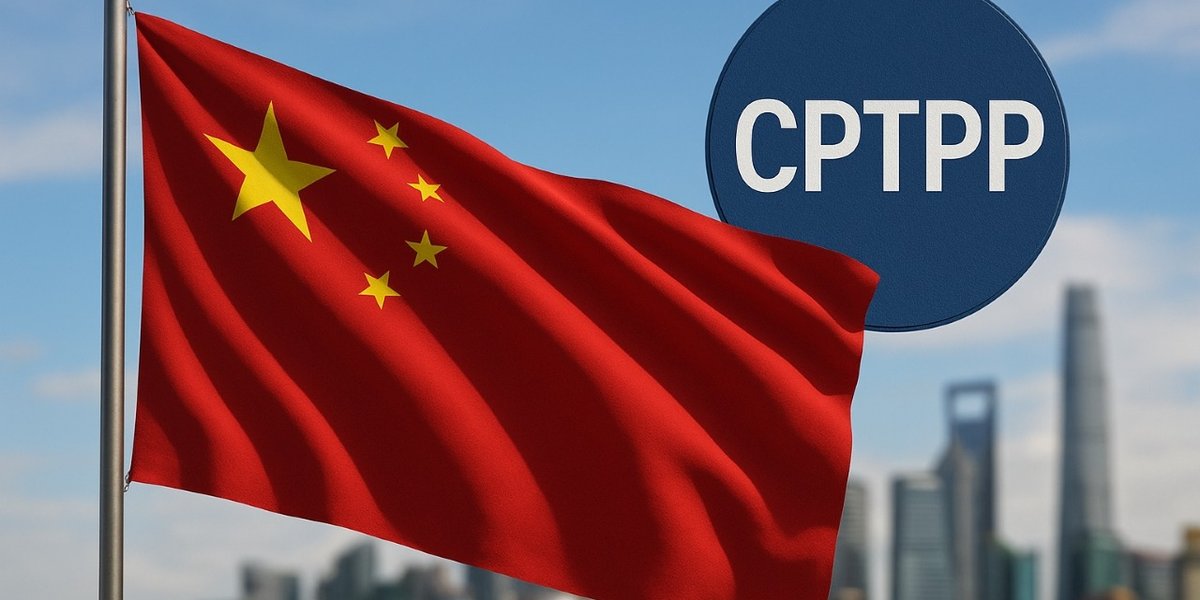
China has officially completed preparations for joining the Comprehensive and Progressive Agreement for Trans-Pacific Partnership. CPTPP). According to the Ministry of Commerce of the People’s Republic of China, the country is ready for accession talks and awaits agreement on the terms of the existing members of the agreement.
The move could be a turning point not just for China, but for all Asia-Pacific and global trade. Let’s look at what the CPTPP is, why Beijing wants to be part of it, and what it will mean for international business.
What is CPTPP?
The CPTPP is a multilateral trade agreement signed in 2018 by 11 countries: Japan, Canada, Australia, Mexico, Singapore, Malaysia, Vietnam, New Zealand, Peru, Chile and Brunei. It covers about 13% of world GDP and more than 500 million people.
The main objectives of CPTPP are:
- Reducing or eliminating tariffs and trade barriers between participants,
- Creation of uniform standards for digital trade, public procurement, protection of intellectual property, etc.
- Promoting sustainable investment and sustainable development.
Why would China want to join?
1. Global economic integration
China is actively seeking to increase its influence in international trade, especially after the launch of such initiatives. "One Belt, One Road" and participation RCEP (Regional Comprehensive Economic Partnership) CPTPP is the next logical step to integrate into a highly standardized trading architecture.
2. Response to geoeconomic pressures
Since the U.S. withdrawal from the TPP (precursor of the CPTPP) in 2017, China has had the opportunity to strengthen its position in the region, minimizing dependence on Western markets and currency risks.
3. Modernization of the domestic economy
Preparations for accession have already given impetus to domestic reforms. In pilot areas, such as Hainan Free Trade ZoneNew CPTPP compliance mechanisms have been tested, including:
- standard public procurement.
- digital.
- intellectual property protection.
What are the changes in the Chinese business environment?
Transparency and institutional openness
China is gradually adapting domestic laws and practices to international standards. This includes:
- admission of foreign companies to state tenders,
- reduction of restrictions on foreign investment,
- unification of licensing and certification rules.
Shifting the focus from production to innovation n
CPTPP’s strong focus on IP protection is encouraging Chinese companies to improve R&D and reduce reliance on technology copying. This can lead to a technological shift and improve product quality.

What does this mean for business?
For exporters to China:
- Tariff reduction Removing non-tariff barriers will facilitate access to the Chinese market.
- Equal competition conditions with local and other international suppliers.
For importers from China:
- Simplification of customs clearance and logistics procedures,
- Access to new CPTPP markets through Chinese infrastructure.
For investors:
- Improvement of legal protection of investments,
- A more predictable regulatory environment,
- Opportunities to participate in public procurement and PPP projects (public-private partnerships).
Geoeconomic impacts
If China becomes a full member of the CPTPP, the agreement will cover the world’s largest economy. It could be:
- Increase the attractiveness of CPTPP as an alternative to other trading blocs (e.g. EU, USMCA),
- Increase the dependence of developing countries on Chinese logistics and manufacturing infrastructure
- Create competition for the United States in global trade rules.
Who will win?
- Logistics companiesoperating on routes between China and Latin America, Southeast Asia and Oceania;
- Small and medium-sized businessesexporting unique goods or technologies;
- Digital services-focused companiesdue to the uniform rules of electronic commerce;
- Financial and legal advisersproviding support for transactions and adaptation to new requirements.
Prospects and challenges
The key challenge is to strike a balance between the CPTPP’s high standards and China’s domestic economic and political idiosyncrasies. Questions remain in areas such as:
- data protection,
- the role of public companies,
- access to the domestic market.
However, a gradual move toward institutional openness could make China’s business environment more understandable and secure for international partners.
China’s accession to the CPTPP is not just a diplomatic move, but an important economic signal. For businesses, this means opening up new markets, lowering barriers and moving to more transparent and predictable rules. Companies able to adapt to these changes will gain a strategic advantage in the new trading reality.