How to Pay Chinese Partners Safely
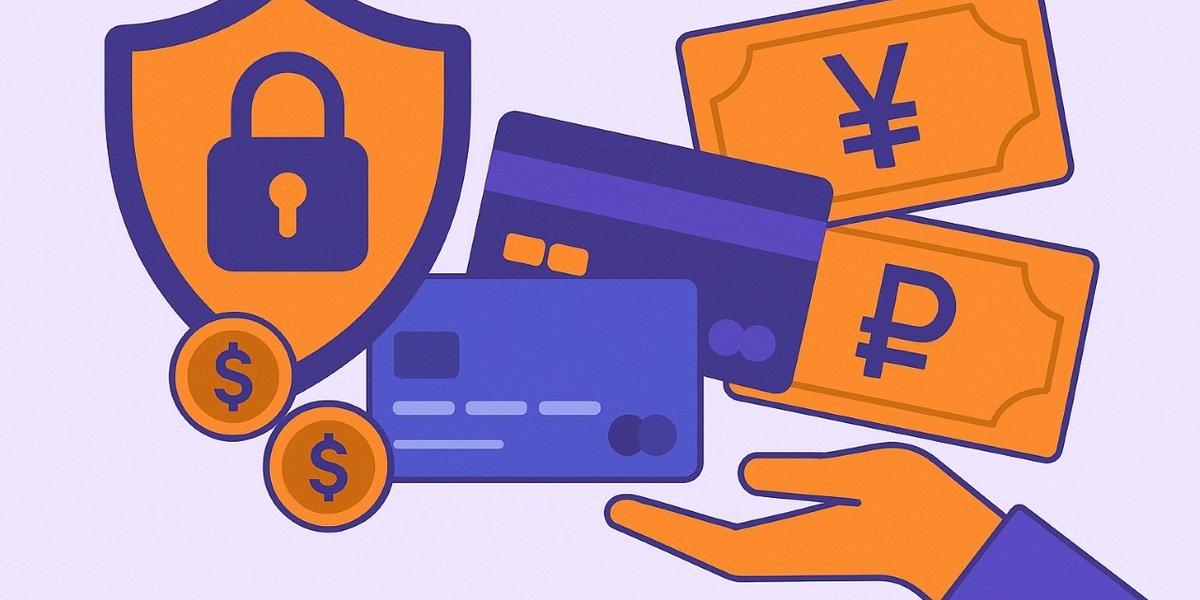
In the context of growing trade turnover between Russia and China, Russian entrepreneurs are increasingly faced with the question: How to safely pay for supplies from China. The instability of the foreign policy situation, currency risks and the lack of the usual Western instruments of calculation make the choice of payment method critical. In this article, we will discuss three key payment methods: prepayment. letter of credit and factoringTheir benefits, risks and recommendations for choice.
Prepayment (Advance Payment)
What is it?
The buyer transfers part or all of the amount to the supplier before shipment.
When applicable
- When working with a trusted supplier
- For small consignments
- High competition for goods (e.g. shortage)
Risks.
- Losing money with an unfair supplier
- Problems with product quality (after payment)
- Lack of control over the production process
How to reduce risks
- Work through segregated accounts china
- Use of use 3PL services or inspection companies (e.g. SGS, TUV)
- Interim payments on party readiness
- Contract in Chinese with a company seal (and preferably an ICP number)
Letter of Credit (L/C)
What is it?
The buyer's bank guarantees payment to the seller, but only after certain conditions are met: submission of documents, confirmation of shipment, etc.
When applicable
- With large shipments
- When both sides want to reduce risks
- For contracts with deferred payment or partial payment
Participants
- Buyer
- Buyer's bank (issuer)
- Salesman
- Seller's bank (executing)
Advantages
- The seller is sure that he will receive the money under the conditions
- The buyer is protected: the bank will not transfer money without the necessary documents
- Legal protection through international standards (UCP 600)
Deficiencies
- High bank fees (from $300-1000)
- Bureaucratic Difficulty: Errors in Documents Can Delay Payments
- Not all Chinese companies work with letters of credit (especially in the southern provinces).
Recommendations
- Clearly specify the conditions in the contract (incoterms, terms, description of the goods)
- Make a letter of credit returnable or irreversibledepending on the objectives
- Use it. deferred letter of credit (USANCE L/C) Deferred payment
Factoring (Factoring)
What is it?
A financial service in which a factoring company (usually a bank or leasing structure) pay off up to 90% of the transaction amount immediately, and then collects money from the buyer.
When applicable
- With regular deliveries
- Deferred payment (30-120 days)
- When the supplier wants to receive money immediately and the buyer wants to pay later
Types of factoring
- Non-recourse (non-recourse) The risk of non-payment takes on the factor
- With regression. In case of non-payment, the seller is responsible
- International factoring Two factors are involved in the scheme (in Russia and China)
Advantages
- Provides liquidity supplier
- Allows the buyer to receive delay
- Often the factor takes on the reliability of the parties
Deficiencies
- Commissions (1-3% of the amount)
- Checking the solvency of the parties
- It's not for everyone. Repeatability of transactions and trust between parties
Examples of organizations:
- VEB.RF and ROSEXIMBANK (Russian side)
- CICC, Ping An Factoring, Bank of China
Comparative table
| Parameter | Prepayment | Letter of credit | Factoring. |
|---|---|---|---|
| Risks to the buyer | Tall. | Low. | Low / Medium |
| Risks to the seller | Low. | Medium (dock errors) | Low. |
| Cost | 0% | 1-2% + commissions of banks | 1-3% |
| Trust requirements | Tall. | Medium. | Low. |
| Suitable for | Single deliveries | Major deals | Regular delivery |
What schemes are now popular with business (2024-2025)
- Small and medium-sized businesses more frequently partial prepayment (30/70 or 50/50) + inspection
- Large trading companies - through letters of credit and factoring (including through banks from the UAE, Hong Kong)
- Companies with local offices in China use RMB accounts and internal settlements in yuan
- Cross-border platforms escrow schemes (e.g. Ali1688, Made-in-China)