Opening of production in SCO countries
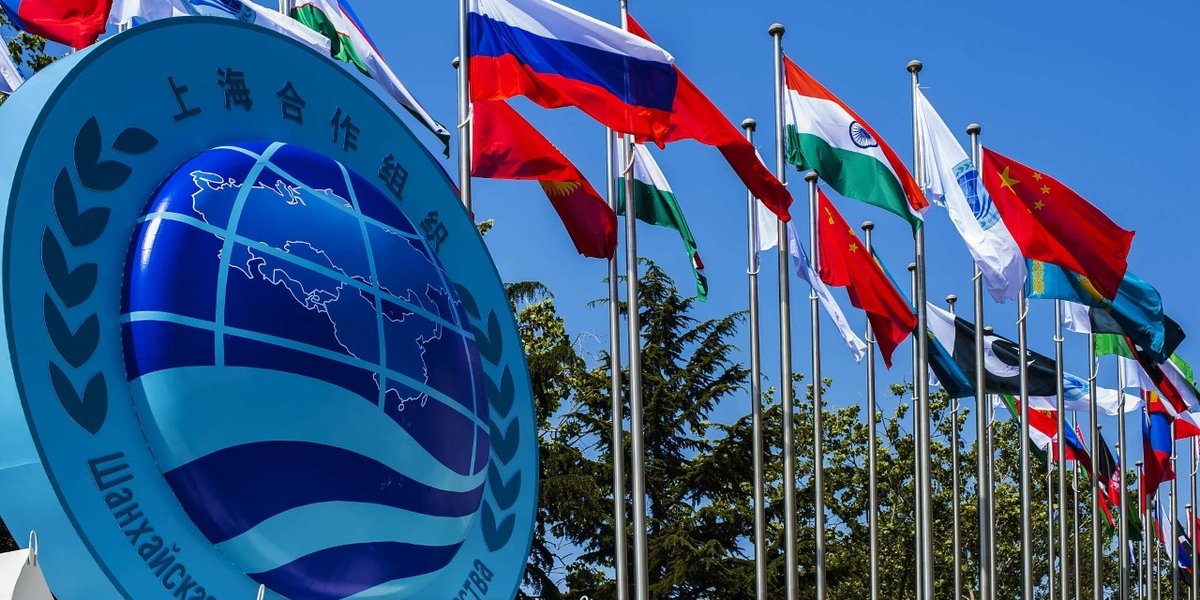
Organization of production in the countries of the Shanghai Cooperation Organization (SCO) opens up significant prospects for business through economic integration, state support and growing markets. SCO countries include China, Russia, Kazakhstan, Kyrgyzstan, Tajikistan, Uzbekistan, India, Pakistan and Iran. Each of these countries has its own unique business environment, including benefits, quotas, infrastructure support and pitfalls.
Common Advantages of Starting Production in SCO Countries
- Broad market
The total population of the SCO countries is more than 3 billion people. This opens up access to a huge consumer market.
- Economic integration
The development of free trade, economic cooperation agreements and simplification of customs procedures create favorable conditions for exports and imports.
- Investor support
Many countries have programs that include tax incentives, access to inexpensive resources, and subsidies for foreign investors.
- Infrastructure development
Large-scale projects, such as the Belt and Road Initiative, improve transport and logistics infrastructure while reducing costs for businesses.
Features of commencement of proceedings in each country
China
China is the SCO’s largest economy with developed infrastructure, extensive domestic market and favorable conditions for high-tech industries.
Opportunities:
- Free Trade Zones (FTZ): Simplified tax and customs conditions.
- State support: Subsidies for high-tech industries and manufacturers of environmentally friendly products.
- Infrastructure: High level of development of transport and energy networks.
Features:
- High competition among foreign companies.
- A complex regulatory and licensing system.
- Problems with the protection of intellectual property.
Pitfalls:
Restrictions on the activities of foreign companies in certain sectors, such as media and telecommunications.
Russia
Russia attracts foreign companies with low resource costs, access to European and Asian markets, and support for the industrial sector.
Opportunities:
- Special Economic Zones (SEZ): Tax benefits, customs preferences.
- Cheap electricity and raw materials.
- Government grants: For strategically important industries such as mechanical engineering and pharmaceuticals.
Features:
- High level of bureaucracy.
- Difficulties with logistics due to long distances.
Pitfalls:
- Currency risks due to the instability of the ruble.
- Political tensions that can affect economic activity.
Kazakhstan
Kazakhstan actively attracts foreign investors through reforms, reduction of bureaucracy and integration into global economic processes.
Opportunities:
- Astana International Financial Center: Special legal regime and access to international arbitration.
- State support programs: Business Roadmap 2025, which includes grants and subsidies.
- Developed infrastructure: Thanks to the Belt and Road Initiative.
Features:
- Restrictions on the use of land by foreign companies.
- Tax relief for the agro-industrial complex.
Pitfalls:
- Limited skills of the workforce in some regions.
- The dependence of the economy on raw materials exports.

Uzbekistan
Uzbekistan is actively opening up to foreign investors, offering simplified procedures and tax breaks.
Opportunities:
- Tax cuts: Low income tax rate and no dividend tax for foreign companies.
- Privatization programmes: Possibility of participation in privatization of state assets.
- Government initiatives: Subsidies for textile and agricultural production.
Features:
- Adaptation to local currency and financial systems.
- Limited funding opportunities through local banks.
Pitfalls:
- High levels of corruption.
- Restrictions on capital exports.
India
India offers a huge domestic market and developed infrastructure for IT, pharmaceuticals and manufacturing.
Opportunities:
- Make in India: Lower taxes and encourage local production.
- Cheap labor: High potential in the manufacturing sector.
- Foreign investment: Simple procedures for starting a business in some states.
Features:
- A complex tax system.
- Poor infrastructure in remote areas.
Pitfalls:
Bureaucracy and slow administrative processes.
Iran
Iran remains promising for investment despite sanctions, due to its geographical location and rich natural resources.
Opportunities:
- Rich oil and gas resources.
- Low cost of labor and land.
Features:
Restrictions on cross-border transactions due to sanctions.
Pitfalls:
Risks of international isolation and economic instability.
State support and benefits
- Tax holidays
Many SCO countries offer zero or reduced tax rates for new industries.
- Infrastructure support
Creation of industrial parks and free economic zones.
- Grants and grants
Financing of technology projects and startups.
- Customs privileges
Simplified procedures and minimum export duties.
Recommendations for a successful start
- Study local legislation: Make sure you understand all the rules and requirements.
- Perform a risk analysis: Consider the economic and political situation in the country.
- Collaborate with local partners: This will help you adapt to the market faster.
- Focus on the long term: Many benefits are available only with long-term investment.
The opening of production in the SCO countries can become a successful project with a competent approach to planning and taking into account all the features of the selected region.