How to distinguish between a manufacturer and an intermediary in China?
689 views
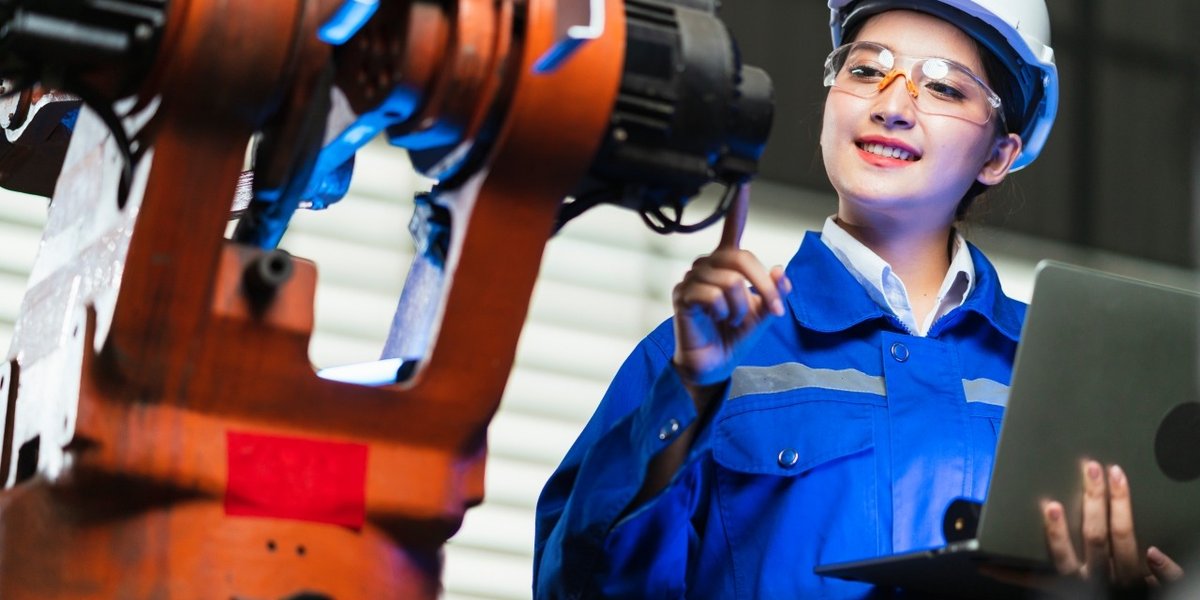
Distinguishing the manufacturer from the intermediary in China is a difficult task, but it is quite doable with a careful approach.
Finding a reliable manufacturer in China is a task that requires care and preparation. The Chinese market is crowded with both real producers and intermediaries who can pretend to be factories. Distinguishing them can be difficult, but it is possible with a number of checks and strategies. In this article, we will discuss the main ways that will help you understand who exactly you are working with: a factory or an intermediary agent.
Verification of production capacity
- Physical inspection of the plant: The best way to make sure you’re dealing with a manufacturer is to visit their factory in person or hire an agency that can do it for you. A real manufacturer is usually open to such inspections and ready to show its production.
- Request photo and video from the production site: If a visit is not possible, request detailed photos and videos of the processes. Intermediaries generally cannot provide up-to-date and authentic materials from production.
- Virtual tour: Many Chinese factories offer virtual tours via video link. This allows you to evaluate the production capacity and ask questions while the representative shows the equipment and stages of work.
Verification of registration documents and licenses
- Check the business license: Ask for a copy of your business license. The documents must contain an activity code that confirms the status of the company as a manufacturer.
- Certificates of conformity and standardization: A true manufacturer, as a rule, has ISO, CE and other certificates confirming product quality and compliance with standards. Intermediaries rarely have such documents.
- Use of Chinese online resources: Use official Chinese websites, such as the Chinese Administration of Industry and Commerce, to verify company information. These resources provide information about the registration status, production capabilities and legal entity of the company.
Analysis of prices and order conditions
- Price comparison: Intermediaries usually charge higher prices because they make money by reselling products. If the price seems overpriced compared to the market, this is a reason to be wary.
- Minimum order volume (MOQ): Manufacturers typically have higher MOQs, as this justifies launching production lines. Intermediaries often offer flexible volumes to please more customers.
- Sample policy: Manufacturers are most often willing to provide samples at cost or at a reduced price. Intermediaries often require an advance payment for samples, without explaining its cost.
Checking the company’s website and social networks
- Site analysis: The manufacturer tends to have a more technical website, with detailed information on production, certificates and production facilities. With an intermediary, the site can be simpler and focused on attracting customers.
- Verification of addresses and contact details: Manufacturers often indicate the specific address of the plant. Intermediaries may provide general contact details or office addresses.
- Social networks and online platforms: Check out the company’s social media accounts and platforms like Alibaba. Manufacturers often publish photos and videos from the factory, while intermediaries use advertising materials.
Interaction with company representatives
- Professionalism in communication: Manufacturers often have representatives with technical knowledge and a deep understanding of manufacturing processes. Intermediaries, on the other hand, may not have the technical information to answer general phrases.
- Ability to respond quickly to requests: The manufacturer can immediately provide answers to technical questions and photos of the product during production. Intermediaries often respond with a delay as they must first contact the manufacturer.
- Request for non-standard production: Real manufacturers will be able to offer options to order, taking into account specific requirements. Intermediaries will usually not be able to offer this or will avoid such requests.
Use of special platforms to verify the counterparty
- Alibaba and 1688.com: On these platforms, you can pay attention to the status of the supplier, customer reviews and the presence of the “Gold Supplier” sign, which confirms the presence of certifications.
- Made-in-China.com and Global Sources: These are sites with verified suppliers. Manufacturers often have special badges indicating confirmed status.
- International reputation check: On specialized platforms, such as D&B, you can get a report on the financial stability and rating of the company.
Distinguishing the manufacturer from the intermediary in China is a difficult task, but it is quite doable with a careful approach. Using the above methods, you can significantly reduce risks and find a reliable partner ready for long-term cooperation.