Perishable products: composition, storage and logistics
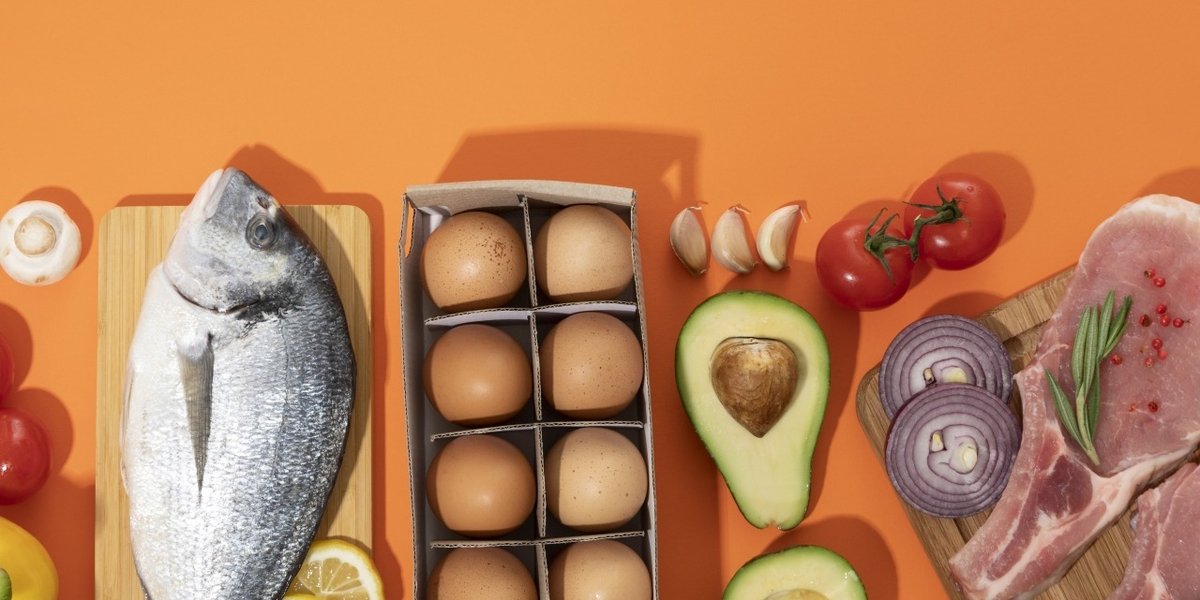
Perishable foods are not just a separate product group, but a whole system of measures, rules and technologies that work together to preserve the quality and safety of food. For manufacturers, warehouses, carriers and logistics operators, this category is considered one of the most difficult: you need to simultaneously control temperature, humidity, delivery speed, packaging and timing.
This article takes apart what applies to perishable goods, what the category consists of, how they are stored in production, what happens in warehouses and how logistics is built From the farm to the final customer.
What are perishable products and which products are included in the category
Perishable products include any goods that short-term or increased sensitivity to temperature deviation, humidity or mechanical effects.
Main groups of perishable products
Products of animal origin
- fresh meat (beef, pork, poultry);
- by-products;
- chilled meat and semi-finished products;
- fresh milk, pasteurized milk;
- dairy products (kefir, fermented meat, yogurt);
- cheese and cheese;
- fish (chilled and frozen);
- seafood.
Plant products
- fresh vegetables (greens, tomatoes, cucumbers, salads);
- fresh fruits (berries, bananas, citrus, apples);
- berries (especially in chilled form);
- Fresh juices, smoothies.
Ready meals and semi-finished products
- salads and dishes in gastronomy;
- Culinary products that require cooling;
- Fresh baked goods with cream.
Frozen products
Yes, formally they also belong to perishable products, despite the long shelf life:
- frozen vegetables;
- meat and poultry;
- fish and seafood;
- ice cream
- Ready frozen meals.
Products with special storage conditions
- eggs;
- chilled drinks;
- specialized foods (for example, sports nutrition with a dairy base).
Common feature: Any product that loses its properties when the temperature deviates from the norm automatically falls into the category of perishable.
Features and storage requirements of manufacturers
In production, the requirements for perishable products are the most stringent - this is where future safety and quality are laid.
Temperature zones of manufacturers
Manufacturing plants usually use several temperature zones:
- +2 ... +4°C - chilled
- 0 +2°C. milk and dairy products
- +4 ... +6°C - cookery
- -18°C and below shock-freeze
- -25°C. Deep Freeze Zone (for long-term storage)
Each deviation is recorded by the monitoring system. A well-functioning plant has a log of control up to the minute.
Hygiene and sanitation
For perishable goods are important:
- sterility of equipment,
- absence of cross-contamination,
- separate lines for meat, fish, cooking,
- health gaps between shifts,
- mandatory disinfection of the cells.
Manufacturers must comply with HACCP and ISO 22000Otherwise, the product may be considered unsafe.
Packaging at work
Packaging plays a key role:
- vacuum packaging,
- Modified Gas Environment (MAP)
- sealed containers,
- shock freezing in individual packaging.
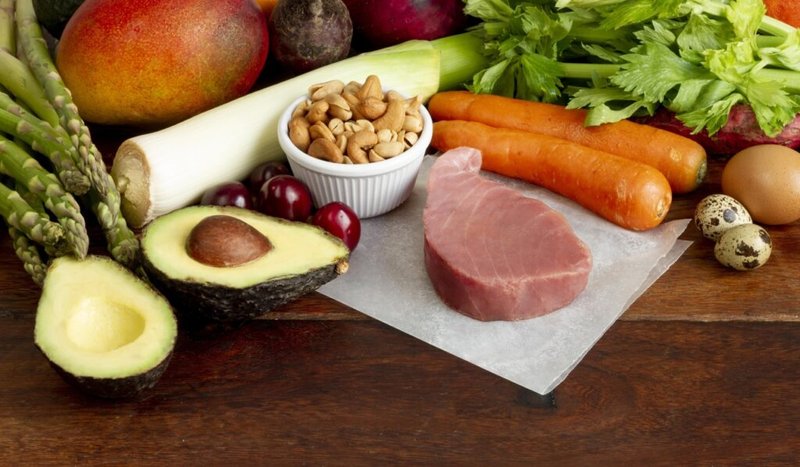
Storage of perishable products in warehouses: what processes are critical
Warehouse logistics of perishable goods works on the principle of “nothing should fall above or below the temperature corridor”.
Main warehouse temperature regimes
- Dry cooling: +1... +7°C
- Fresh freeze: -5. -12°C
- Deep freeze: 18° C.
- Ultra-deep (shock): -30°C and below
In one logistics complex can be dozens of separate cameras.
Depot equipment
- Refrigeration chambers of different temperature zones;
- stainless steel shelves;
- Floor refrigeration chambers for large products;
- Data loggers (temperature recorders);
- Emergency alert systems.
Key warehouse processes for perishable goods
- Acceptance with instantaneous temperature fixation.
The temperature of the product "at the entrance" is recorded in the act. - FEFO: First expires, first leaves.
Normal FIFO doesn't fit. - Cross-docking.
It is better not to store: from car to car for 1-3 hours. - Separate areas for meat, fish, milk, vegetables and ready kitchen.
To prevent cross-contamination. - Cold floodgates.
At the entrance of the forklift, the air should not be heated.
Perishable Goods Logistics: Rules, Risks and Chain Control
Transportation is the most difficult link. Even a perfect production will not save the goods if the car arrived with a violation of the temperature regime.
Main types of transport in cold logistics
- refrigerators (refs) - from +12°C to -25°C;
- isothermal vans. keep the temperature, but do not cool;
- delivery for expensive products (berries, seafood);
- ref for international transport.
Temperature zones in logistics
- +2 ... +4°C - milk, fish, meat
- +5... +8°C. fruit
- -18°C. freeze
- -25°C. deep-freeze
Deviation even in 2–3 oh C. may cause:
- bacterial growth,
- spoil,
- loss of presentation,
- toxicity of the product (especially fish and milk).
What is necessarily controlled in transportation
- Temperature inside the body (sensors + magazine).
- Temperature on pallets or inside boxes (control points).
- Delivery time.
- Proper loading – the air must circulate.
- The presence of cold curtains.
- Closed door systems.
Typical risks in periport logistics
- refrigerator stop,
- erroneous temperature setting,
- border delays,
- violation of the cooling chain,
- overload in a "warm" hangar.
Each of these events can ruin a whole party.
Scorport is a category where the main thing is temperature-discipline.
Any deviation turns into losses, risk of returns, a decrease in quality or complete loss of goods.
Key elements of proper work with periport:
- Production storage - strict standards of hygiene, packaging and temperature.
- Warehouse logistics. FEFO, cross-docking, multi-zone cameras.
- Transportation - refrigerators, temperature control and minimization of delays.
- Speed -- The faster the chain passes, the less loss.
Monitoring system - Sensors, logs, automated notifications.