Retail Trading: How It Works
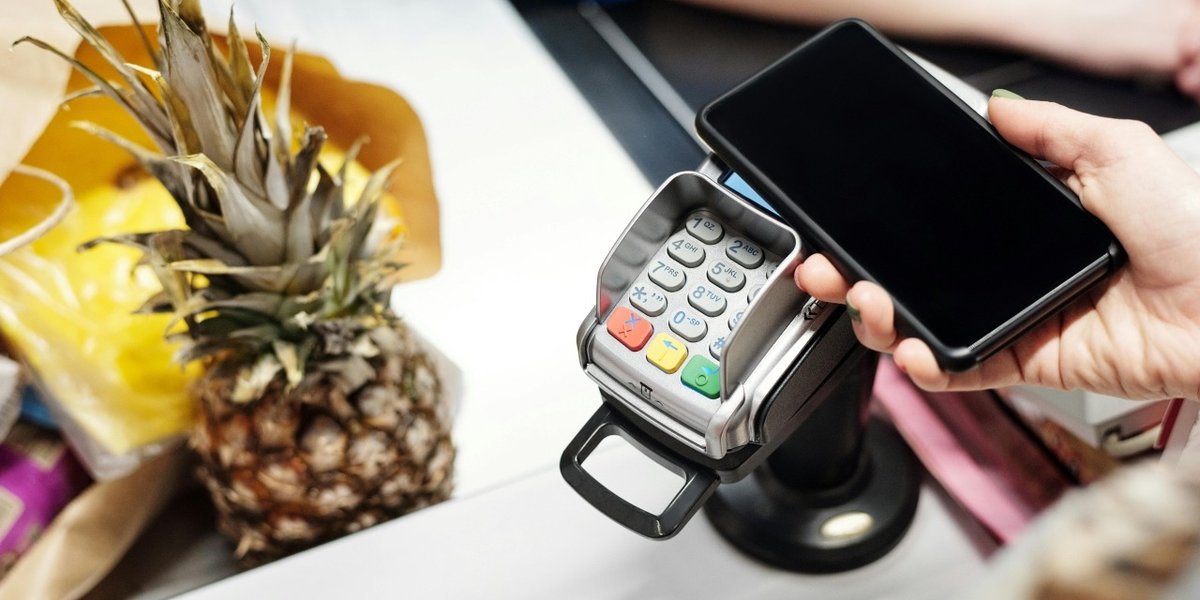
Retail trade The final link in the supply chain where goods or services are delivered directly to the end consumer. This sector plays a key role in the economy, as it connects producers with consumers, creates demand and ensures the availability of products.
In the article, we will analyze in detail the key aspects of retail: pricing, inventory management, pricing policy and the impact of accumulation of goods on their value.
Pricing chain
The process of creating a retail price includes several stages:
- Price of production:
- The cost of goods includes the cost of raw materials, production, labor and energy.
- In the case of imports, transport costs, customs duties and taxes are added.
- Valuation of suppliers and distributors:
Manufacturers set a selling price. Distributors and wholesalers, buying goods, add their margin.
- Retail margin:
Retail stores impose a final markup to cover the costs of rent, employee salaries, advertising and make a profit.
Retail price formula:
Retail price = Cost + Expenses + Profit
Price policy in retail stores
The pricing policy of retail stores is a complex process that takes into account many factors for the formation of the value of goods. This process is aimed at attracting buyers, increasing sales and ensuring the profitability of the business.
The main factors affecting pricing
- Target audience
- Premium segment:
Stores focused on customers who value high quality, service and exclusivity charge higher prices. This approach allows you to emphasize the status of the brand and attract a loyal audience. - Discounters:
These stores minimize maintenance and marketing costs by offering low prices. Their strategy is high speed turnover of goods.
- Competition
In a highly competitive environment, retailers are looking for ways to attract customers:
- Lower prices for popular goods.
- Conducting promotions and discounts to stimulate purchasing interest.
- Sales volume
- The greater the volume of sales, the lower the cost of a unit of goods. This allows you to set more competitive prices, earning on mass sales.
- For example, large chain retailers often use a “price lower, but more sales” strategy.
- seasonality
Prices for goods can vary depending on the time of year:
- Seasonal goods: Summer clothing or winter appliances are usually cheaper in the off-season.
- Holiday periods: Before the New Year, holidays or school season, prices may increase.
- Discounts and promotions
- Sales: attract buyers, increasing the flow of customers, but require competent margin calculation to avoid losses.
- Bonus programs and cashbacks: contribute to the formation of loyalty, but must also take into account the financial stability of the store.
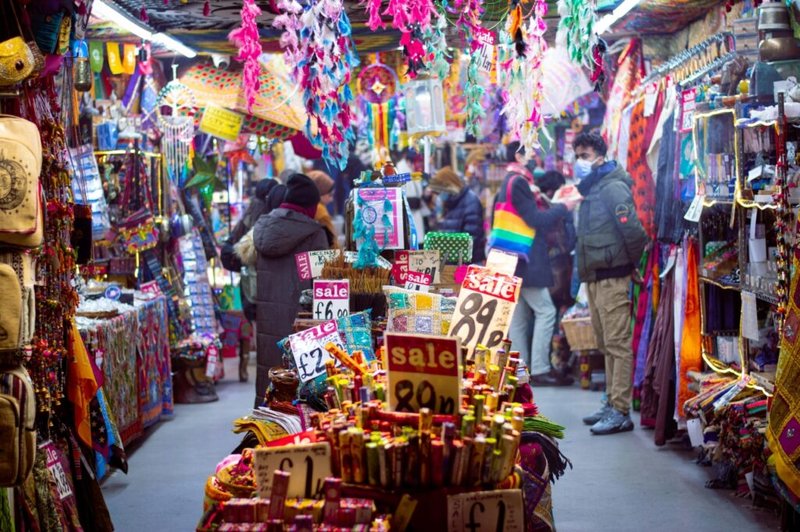
Impact of logistics, certification and VAT on prices
- Logistics
- The cost of shipping goods, especially to remote regions, affects the final price.
- Accelerated delivery (such as air travel) is more expensive than transportation by sea or road.
- Certification
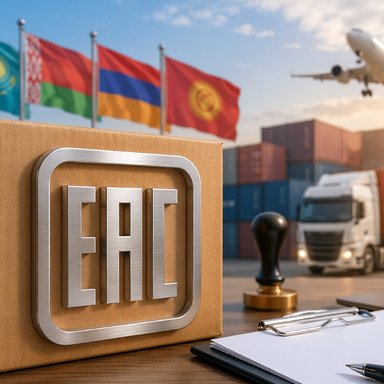
- Imported goods often require certification confirming that products meet the requirements of the country.
- These are additional costs that stores include in the cost of the goods.
- Value added tax (VAT)
- In most countries, VAT is a significant part of the value of goods.
- Stores can offset tax costs by increasing margins.
Stockpile management
Effective waste management is one of the main tasks of the retail business, since the presence or absence of goods in the warehouse directly affects profits.
Wastewater problems:
- Excess goods:
The accumulation of excess leads to increased storage costs and risk of understatement (for example, due to spoilage or obsolescence).
- Deficiency of goods:
The lack of demanded positions in the warehouse can scare away customers and reduce sales.
Management methods:
- ABC analysis: The division of goods into categories according to their importance and sales.
- Demand forecasting: Using analytics to predict purchase volumes.
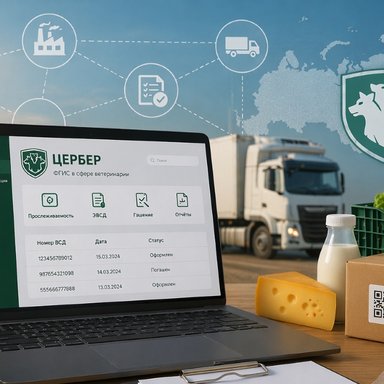
- Automation systems: Modern ERP systems (for example, SAP, 1C) help to control stocks in real time.
- Working with trusted suppliersChoose suppliers who meet the delivery deadlines and can provide the right amount of goods.
- Contracts with standby suppliers: This reduces the risk of failures at the main supplier.
- Logistics flexibility: Use different delivery methods (such as road, sea or air) depending on the urgency of the delivery.
- Avoid Excessive Expansion of AssortmentIn order to prevent the "spraying" of stocks.
- Focus on the most demanded products, which bring the main income.
- Implementation of analytical systems: Use modern technology to forecast demand and manage inventory. For example, systems that analyze sales data in real time.
- Monitoring of suppliesAutomatic delay notifications help you respond faster to changes.

Impact of accumulation of goods on price
The accumulation of large volumes of goods can significantly affect their cost:
- Price reduction:
If the goods are stored in a warehouse, it has to be discounted to make room. This is especially true for products with a limited shelf life.
- Expenditure increases:
The more goods are stored, the higher the cost of warehousing (rental, electricity, personnel).
- Risks of losing sales:
In conditions of need to sell the surplus stores can sell goods at a price below cost.
Example: The store bought 10,000 units of seasonal goods, but sold only 60%. Remains should be sold at a discount or use other strategies, for example, selling "2 at a price of 1".
Factors Affecting Retail Success
- Shop location:
Convenient location attracts more buyers.
- Range:
The variety and relevance of products create a competitive advantage.
- Quality of service:
Good service motivates customers to come back.
- Investment in marketing:
Advertising, loyalty programs and discount promotions increase brand awareness.
- Digitalization:
The transition to online platforms expands the audience and reduces the cost of renting retail space.
Retail is a complex system that requires a competent approach to pricing, inventory management and interaction with customers. Every stage, from buying to selling, needs to be optimized for profit.
In modern conditions, retail is actively changing: the role of e-commerce is increasing, the influence of technology is growing, and the importance of analytics is increasing. Successful retailers are those who adapt flexibly to new market challenges, understanding the needs of their customers.