Iran as the main buyer of barley: 2022-2025
Why Iran is a key market for barley
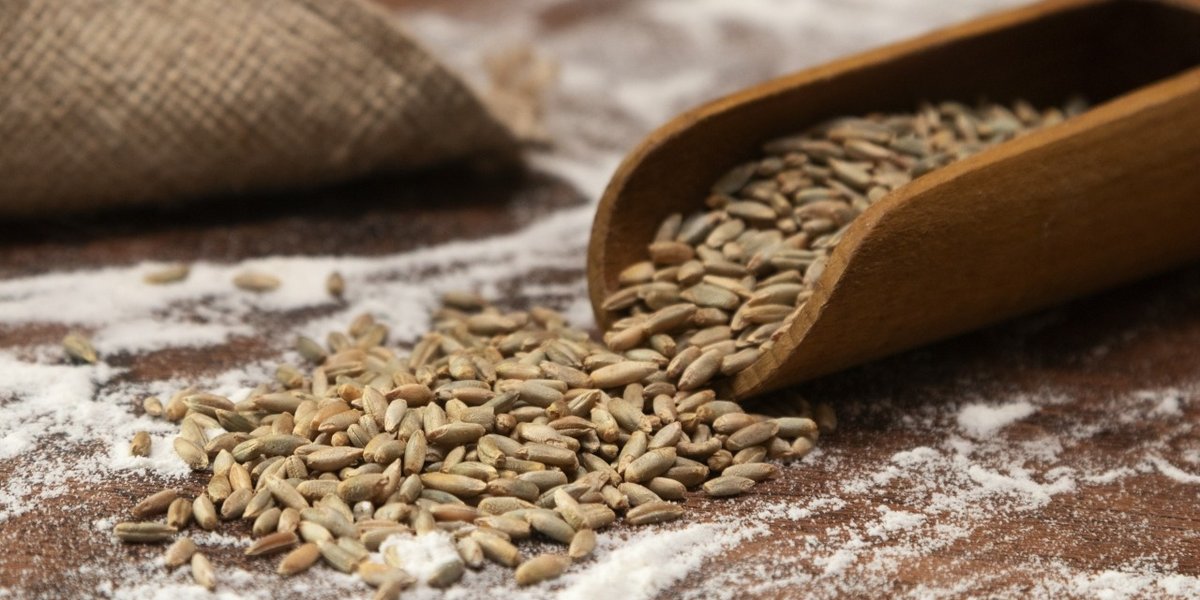
- Iran is a large country with a great demand for animal feed (large and small cattle, poultry), which makes barley popular as fodder.
- With the changing structure of the global grain market, sanctions, and the reduction of supplies from traditional exporters, Iran is looking for sustainable suppliers and diversifying its sources.
- In 2025, according to media reports, Iran’s demand for barley and corn rose again, boosting imports.
Thus, Iran is increasingly acting as the main buyer of barley – with a need that exceeds domestic production and traditional sources.
How the supply of barley to Iran has changed: figures and trends
- In 2022, according to international trade data, Iran imported significant volumes of barley (2,065.4 million kg) worth over $790 million.
- In the 2024-2025 season, shipments to Iran increased sharply: according to information for the 2024/25 marketing year, barley exports from Kazakhstan amounted to 1.82 million tons, and a significant part went to Iran.
- According to analysts, Kazakhstan in 2025 actually replaced the traditional supplier - Russia - in the Iranian grain market: for the period from September 2024 to January 2025, barley exports to Iran increased almost 39 times compared to the previous season.
- At the same time, Russia sharply reduced supplies: from July 2024 to early 2025, exports decreased.
These data show that in 2022-2025, Iran strengthened its status as a major buyer, and Kazakhstan became one of the key exporters to this market.
Why Kazakhstan is the new major supplier to Iran
- Kazakhstan in the 2024-2025 season became an exporter of a record volume of barley, which allowed to meet the increased demand in Iran.
- At the same time, the price of Kazakh grain has increased against the background of high demand from Iran and China, which makes supplies profitable for exporters.
- Kazakhstani suppliers are satisfied with logistics and geographical proximity, relatively short routes, which makes supplies prompt – an important factor for feed demand.
Thus, Kazakhstan has become a competitive and reliable supplier, fitting into the needs of the Iranian market.
Implications for the global market and for supplying countries
For Iran.
- Getting a stable supply of coarse barley is key to food and feed security.
- More reliable supplies, diversification of sources – less dependence on one exporter.
- The ability to provide livestock and poultry feed at a competitive price.
For exporters (e.g. Kazakhstan)
- Increase in export volumes – growth of foreign exchange earnings, strengthening the role in the grain market.
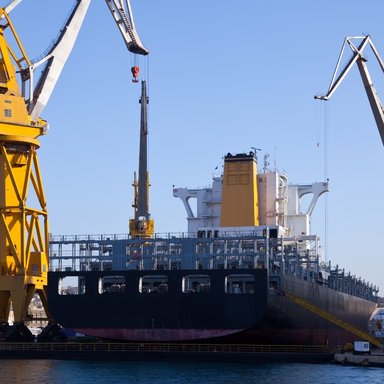
- The possibility of expanding logistics chains, developing transshipment infrastructure, ports and export routes.
- Increase in grain prices due to demand, which stimulates farmers.
For the global market
- Displacement of the traditional chain: Russia is losing its leading position in the barley market for Iran, the arrival of a new supplier is changing the structure of trade.
- Increased competition for freight flows, redistribution of routes, new logistics schemes.
- The tendency to diversify suppliers, which affects the stability of supply and price volatility.
Risks and challenges of such dependence
- Iran’s growing demand could lead to deficits in export markets and higher prices, negatively affecting importing countries with less resources.
- Overload logistics: the growth of flows requires an increase in transport, storage, transshipment – without competent infrastructure, delays, grain losses, and rising costs are possible.
- Climate and harvest risks from suppliers: insufficient harvest, bad weather conditions are a threat to the stability of supply.
- Geopolitical risks – sanctions, trade restrictions, transport barriers – can disrupt the supply chain, especially when concentrated on a single major importer.
What the barley market and Iran expect until the end of 2025 and 2026
Iran’s demand for barley and corn is forecast to remain high; imports are likely to persist or grow.
Supplying countries (Kazakhstan, Russia, possibly Ukraine) will be able to hold their positions if they can ensure stable exports and logistics.
Possible changes in prices: Due to high demand, grain prices in exporting countries may rise, which will affect the overall market.
Growth of logistics chains: increase in transit routes, expansion of ports, transportation, which can strengthen the role of transit countries.
In 2022-2025, Iran has indeed become one of the key, if not the main, buyers of barley in the world market, thanks to stable demand, feed needs and diversification of suppliers. The transition of demand to Kazakhstan as the main exporter is an important trend.
This gives exporters from supplier countries (primarily Kazakhstan) serious opportunities. But at the same time, it imposes responsibility: stable supplies, logistics, infrastructure, risk diversification.