Cotton: Where is it grown, who buys it, and how it works in the industry
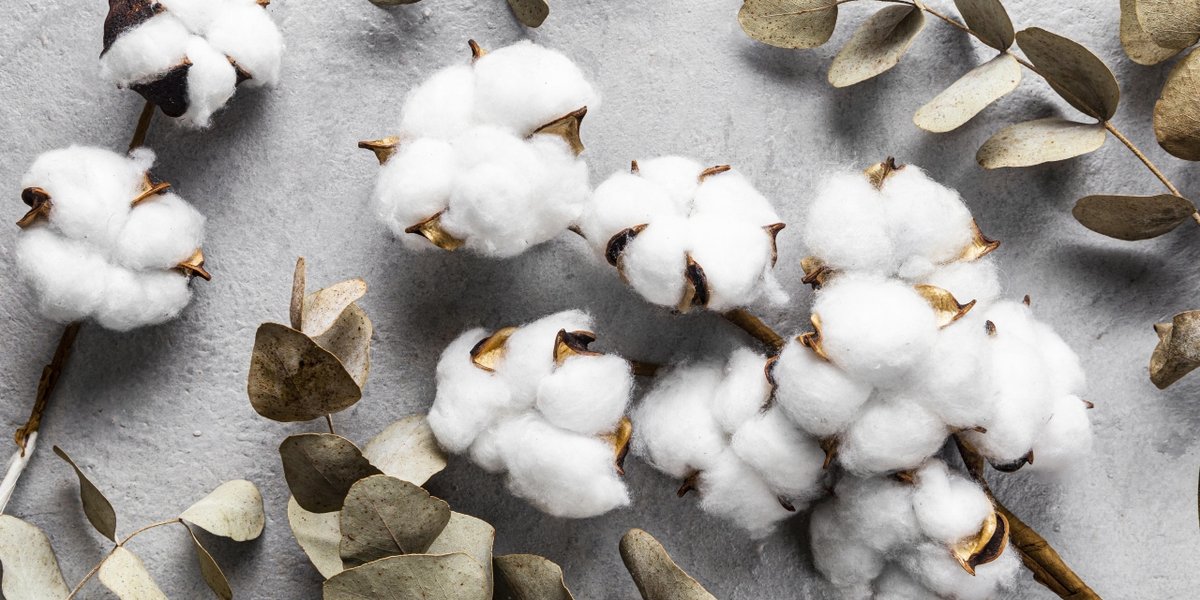
Cotton - It is one of the oldest and most strategic agricultural products in the world. It seems like something simple and “textile”, but in fact, global supply chains, government policies and entire industries are built around it.
It's not just raw materials for clothes. It is an export asset, a commodity exchange and an industrial base for dozens of industries.
Where cotton is grown for export
Cotton production is concentrated in countries with a warm climate, a long sunny season and the possibility of irrigation.
Key producing countries:
India
One of the world's largest producers. A significant part goes to the domestic market, but exports remain an important source of income.
China
It is a large producer, but the bulk of cotton is consumed by its own textile industry.
USA
One of the leading exporters. American cotton is exported to Asia.
Brazil
In recent years, it has strengthened its position in the world market and has become a significant player in export supplies.
Pakistan
It produces and processes cotton, actively developing the textile industry.
Uzbekistan
A historically strong cotton country exporting both raw materials and textiles.
Turkey
It produces cotton and simultaneously imports it for its textile industry.
Who imports cotton?
Importers are most often countries with a developed textile industry, but an insufficient raw material base.
Main consumers:
- Bangladesh
- Vietnam
- China (despite its own production)
- Turkey
- Indonesia
- European Union
The logic is simple: where there are factories for the production of yarn and fabrics - There will be demand for cotton.
Types of cotton
Not all cotton is the same. Its quality is determined by the length of the fiber, strength and purity.
Short-fiber
It is used for rough fabrics and technical products. Less expensive, but more limited in use.
Medium-fiber
The most common type. It is used in the production of everyday fabrics, clothing, home textiles.
Long-fiber
It's softer and stronger. It is used to produce high quality fabrics and premium textiles.
Extra-fiber
Rare and expensive. It gives a thin, smooth and very strong thread. It is used in the luxury segment.
The difference in fiber length directly affects the price and final properties of the fabric.
Industrial applications of cotton
When they say “cotton,” they usually think of a T-shirt. But the scope of application is much wider.
Textile industry
Main focus:
- clothes
- bed linen,
- towels,
- Furniture fabric.
Cotton fiber absorbs moisture well, “breathes” and is comfortable in the sock.
Medical field
- bandages,
- cotton
- gauze products,
- sterile materials.
Naturality and hygroscopicity make cotton a convenient material for medical use.
Industry and technical products
- filters,
- technical fabrics,
- insulation materials,
- reinforced composites.
Cotton can be used as a component in more complex materials.
Chemical recycling
From cotton, cellulose is obtained, which is used to produce:
- papers,
- plastic,
- artificial fibers,
- powder (in the form of nitrocellulose).
The field is less well known to the general public, but plays an important role in industrial chemistry.

The Economy of Cotton: Why It Is a Strategic Good
Cotton - It's not just an agricultural culture. This:
- commodities,
- employment of millions of people,
- the basis of textile export economies,
- Food and industrial policies of several countries.
Cotton prices depend on:
- weather conditions,
- crop volumes,
- global demand for textiles,
- logistical constraints,
- currency fluctuations.
Any change in global trade affects the cost of raw materials.
Cotton logistics
Cotton is transported in the form of pressed bales.
Key aspects of logistics:
- moisture protection,
- compliance with storage conditions,
- the right packaging,
- Quality control during loading.
Main routes - sea container transportation, less often railway routes for regional trade.
Current trends
Today, the cotton market faces several challenges:
- competition with synthetic fibers;
- environmental requirements of production;
- Sustainable agriculture issues;
- Recycling automation.
At the same time, the demand for natural fabrics and environmentally friendly materials is growing, which supports interest in cotton raw materials.
Cotton - It is both an agricultural product, an industrial raw material and a global trading asset.
It links farmers, textile factories, logistics companies and international markets.
Understanding the geography of production, types of fiber and applications helps to see the whole system of the world economy behind simple fabric.