Regulation and certification of agricultural products
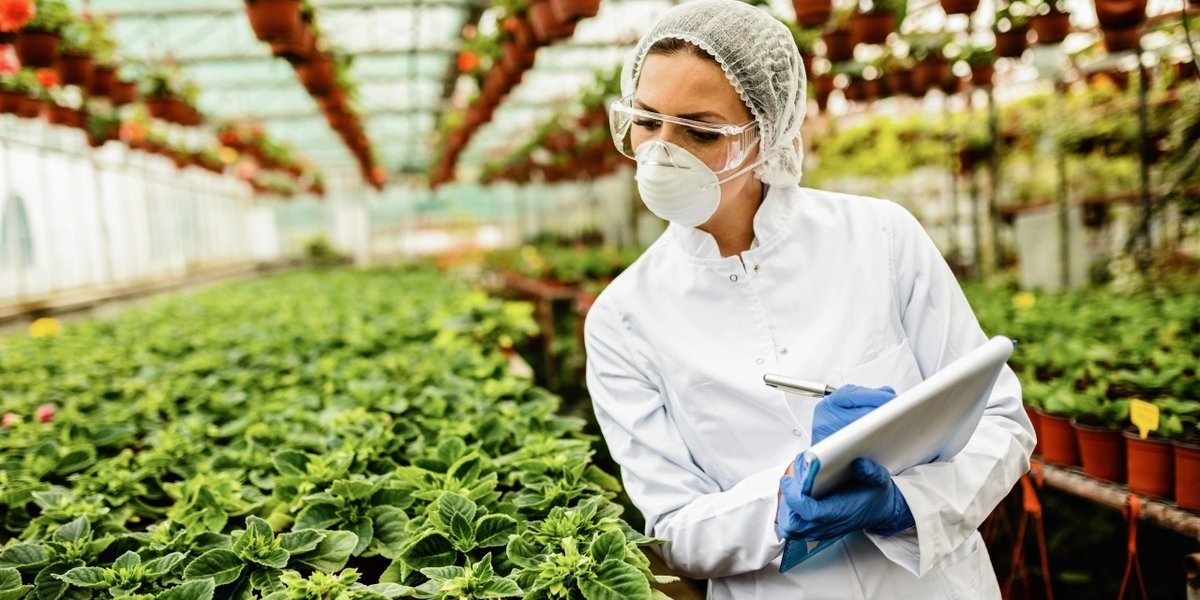
Agricultural products are the basis of food security in any country. To ensure that only safe and high-quality products enter the market, a regulatory and certification system is in place. It covers all stages: from cultivation and processing to packaging and marketing.
We will examine how this system works, what types of certification exist and what business should take into account.
Government regulation
Control of agricultural products is based on a combination laws, standards and supervision.
Main objectives:
- provision quality and safety food products;
- Protection of the domestic market Dangerous or counterfeit products;
- implementation of international obligations and WTO norms;
- control n pesticides, fertilizers and veterinary drugs.
Control bodies (example in Russia):
- Minselkhoz - formulates policy in the agro-industrial sphere;
- Rospotrebnadzor responsible for sanitary and hygienic requirements;
- Rosselkhoznadzor Controls phytosanitary and veterinary standards, as well as import/export.
Standards and regulations
Regulation is based on a system of standards:
- GOSTS and TU (technical conditions) determine the requirements for quality, packaging, storage.
- SanPiN - establish sanitary and hygienic standards.
- International standards (ISO, Codex Alimentarius, GLOBAL G.A.P.) are required to enter foreign markets.
Types of certification of agricultural products
1. Mandatory certification
- It is used for products that can represent risk.
- Confirms compliance with sanitary, veterinary and phytosanitary standards.
- Examples: meat, milk, fish, grain, vegetables, feed.
2. Voluntary certification
- It is not required by law, but it helps to increase customer confidence.
It is used to distinguish products as “Environmentally friendly”, “organic” or “farm”.
3. Phytosanitary and veterinary certificates
- Needed for import and export.
- Confirm that the products Free from quarantine pests and diseases.
4. Certificates of conformity to quality standards
- ISO 22000 (Food Safety Management System)
- GLOBAL G.A.P. (Global Standards for Farmers)
- HACCP (Risk Analysis and Critical Control Points)
How the certification process works
- Application from the manufacturer or importer.
- Verification of documentation Declarations, specifications, veterinary certificates, laboratory results.
- Tests in an accredited laboratory.
- On-site inspection (for certain product categories).
- Issuance of certificate or declaration.
- Periodic monitoring during the duration of the document.
International dimension
To enter foreign markets, you need to take into account:
- requirements of the importing country (for example, China requires separate phytosanitary certificates for grains and oilseeds);
- international quality standards;
- Participation in “organic certification” programs.
For example, a sign is mandatory for the EU. EU OrganicAnd for the United States, USDA Organic.
Current challenges and trends
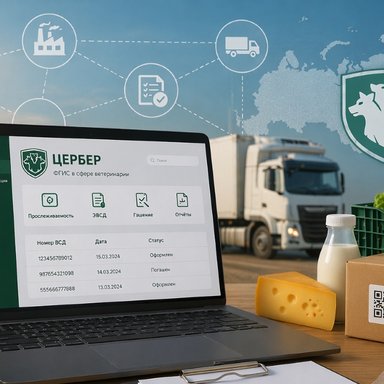
- Digitalization Transition to electronic certificates (in Russia there is a Mercury system for veterinary control).
- Traceability Buyers and regulators require traceability from field to shelf.
- Environmental friendliness There is a growing demand for organic products and bio-certification.
- Combating counterfeiting tightening control over labeling and composition.
Regulation and certification of agricultural products is a complex, multi-level system that ensures the safety and quality of products. For manufacturers and suppliers, it is both a duty and an opportunity: by complying with the requirements, you can enter international markets and win consumer confidence.
In the coming years, certification will become even more Digital, transparent and environmentally oriented. Companies that take these trends into account will gain a competitive advantage.