Restoring Afghanistan’s flour milling industry
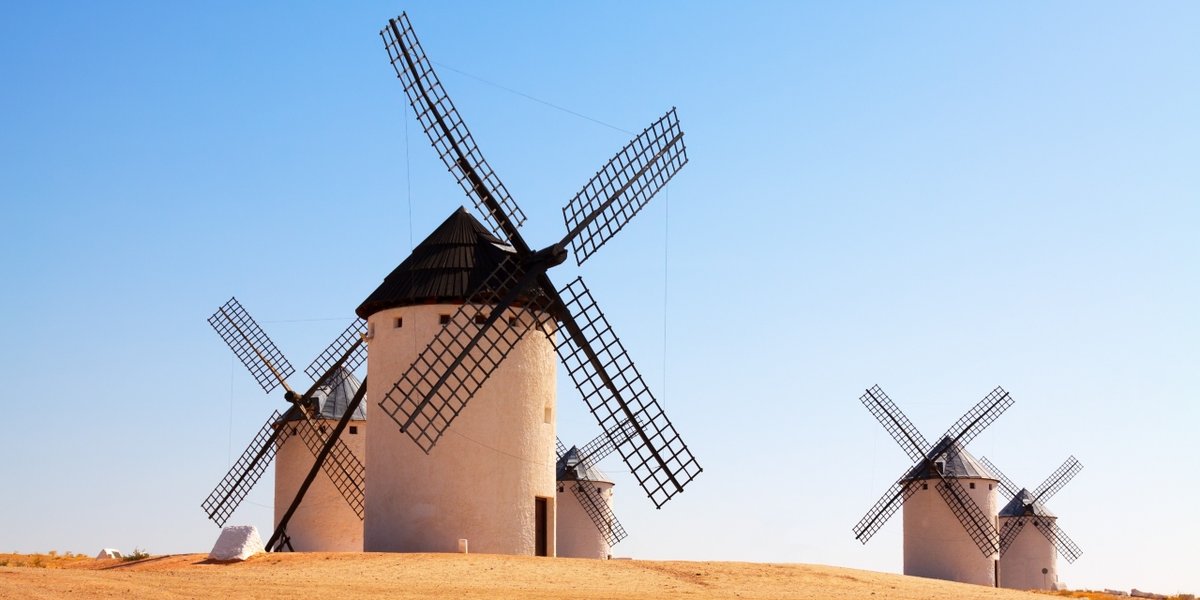
After decades of armed conflict, Afghanistan has faced not only humanitarian problems but also the destruction of basic economic infrastructure. One of the most vulnerable areas is millingdirectly related to food security and agricultural sustainability.
The rehabilitation of mills and mills in Afghanistan is now seen as a key element in the country’s recovery from the food crisis. Domestic flour production reduces dependence on imports, stabilizes the market and creates jobs in the regions.
Historical context: the role of mills in the Afghan economy
Before the outbreak of large-scale hostilities, the flour milling industry played an important role in the Afghan economy. The country had large mills in Kabul and the north, as well as numerous rural mills that processed grain locally.
Agriculture, especially grain production, was closely linked to the processing system. However, the war led to the destruction of mill complexes, the shutdown of enterprises and an increase in flour imports, which negatively affected the economy and food security.
Current state of the milling industry
Today, Afghanistan’s flour milling industry is undergoing a partial recovery. A significant part of the mills continues to operate on outdated equipment or functions intermittently.
Conventionally, the industry can be divided into three segments:
- Town mills (primarily in Kabul);
- Mills in the northern provincescloser to the grain regions;
- Rural millsproviding basic processing for local communities.
Most enterprises need modernization, improved power supply and restoration of logistics and grain storage.
Rehabilitation of mills and mills
Rehabilitation of mills in Afghanistan refers not only to the repair of buildings, but also to a set of measures:
- replacement of worn-out equipment;
- start of stopped processing lines;
- restoration of grain storage infrastructure;
- Improving energy supply and logistics routes.
In Kabul, the focus is on the rehabilitation of industrial mills, while in the provinces the priority is the modernization of rural mills that provide basic food security on the ground.
Modernization and implementation of technologies
Modern projects to restore the milling industry include the introduction of energy-efficient mills, grain purification systems and process automation. Compared to older mills, new solutions allow:
- improve the quality of flour;
- reduce the loss of raw materials;
- Reduce dependence on unstable energy supply.
The modernization of mill complexes in Afghanistan is seen as a long-term investment in the development of the food industry.
Connection of the milling industry with agriculture
The restoration of grain processing directly affects the development of agriculture. The presence of working mills encourages farmers to increase sown areas, as there is a guaranteed market.
In addition, the processing of grain within the country allows:
- Increase the income of farmers;
- Improve logistics and storage;
- reduce crop losses.
Thus, the milling industry becomes a link between the production of grain and the flour market.
Food security and economic impact
Increased domestic flour production reduces Afghanistan’s dependence on imports and promotes price stability. This is especially important in conditions of limited foreign exchange resources.
The economic impact of the industry recovery includes:
- creation of jobs in flour mills;
- development of related industries - logistics, packaging, storage;
- growth of the tax base and business activity in the regions.

Financing and recovery actors
Financial support for the restoration of mills is formed from several sources:
- state programs;
- private investment;
- foreign capital;
- Diaspora participation.
Various mechanisms are used – grants, loans, public-private partnerships, programs to support small businesses.
Role of international and humanitarian organizations
International organizations and humanitarian funds play a key role in rebuilding Afghanistan’s food industry. Their participation includes:
- supply of equipment;
- humanitarian assistance;
- financing of projects;
- training of specialists and personnel.
Humanitarian programs are aimed not only at emergency support, but also at long-term infrastructure development.
Participation of Russia and external partners
Russia’s involvement in rebuilding Afghanistan’s infrastructure is seen in the context of equipment, fuel and training. Russian-Afghan cooperation in the food industry can become an important factor in the sustainable development of the industry.
Investments and joint projects help to strengthen economic ties and support the recovery of the milling industry.
Examples of successful recovery projects
Among the implemented projects can be distinguished:
- restoration of the city flour mill with an increase in processing;
- modernization of the rural mill with the introduction of energy-efficient equipment;
- project with international participation, including personnel training and equipment supply.
Each case demonstrates that recovery is possible even in difficult conditions.
Major Industry Challenges and Barriers
Despite the positive developments, serious challenges remain:
- lack of investment;
- worn-out infrastructure;
- Unstable power supply;
- shortage of personnel and shortage of specialists;
- Logistical barriers and security issues.
Addressing these challenges requires an integrated approach and long-term programmes.
Prospects for the development of the flour industry
If the current pace of recovery is maintained, the industry will be able to gradually reduce its dependence on flour imports. Acceleration of development is possible with:
- Increase international assistance;
- increased investment;
- modernization of equipment;
- Systemic training of personnel.
The milling industry can become one of the growth points of the Afghan economy.
The restoration of mills and mills in Afghanistan is not just a technical process, but a strategic factor for food security and economic development.
For investors, it is a market with high risk but also significant potential.
For specialists of the agro- and food industry - an opportunity to participate in the restoration of the industry.
For researchers and journalists, this is an example of how infrastructure becomes the foundation of sustainable development.