Feed grains in 2025: types, exports, imports, prices and prospects
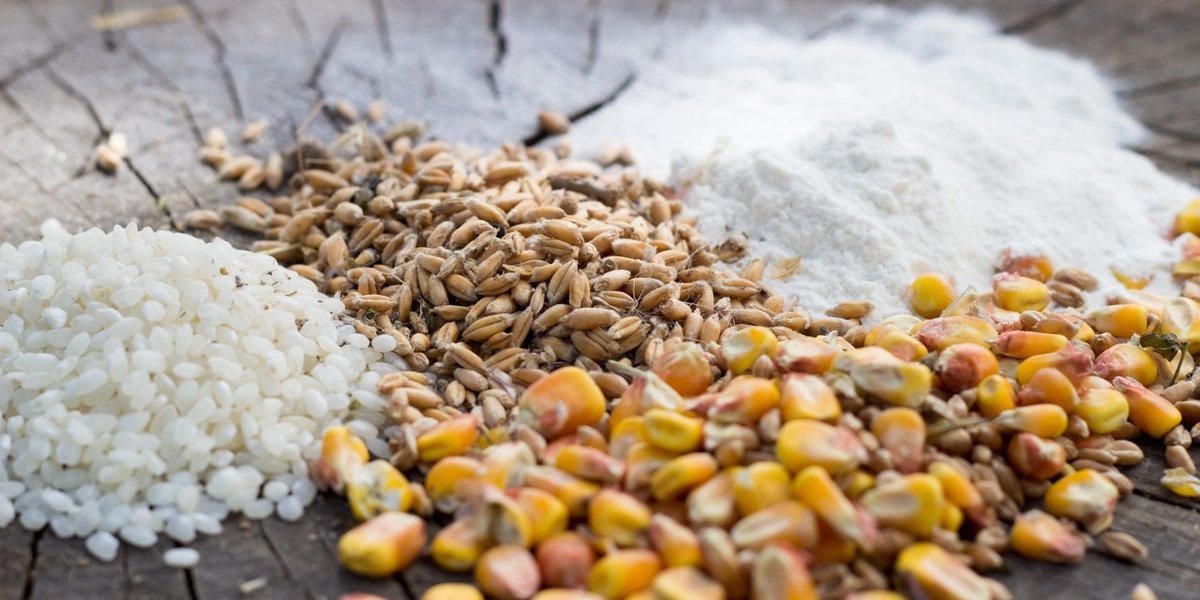
Feed grains are crops that are used to feed farm animals and poultry. They're also called feed-grainBecause the main purpose of these cereals is the production of feed mixtures, feed and premixes. In 2025, feed grains occupy a key place in the global agricultural industry: they provide more than 70% of the total raw material base for livestock.
In Russia, the share of feed grain in the total harvest is on average 55-65%Depending on the year and the quality of the harvest. For example, the grain harvest in Russia in 2025 is estimated by experts at the level of 140–145 million tons, and more than half of them are the same. feed.
The feed crop market of 2023-2025 has undergone major changes:
increased exports of coarse grains from Russia;
increased interest in coarse wheat and barley from Turkey, Egypt and Saudi Arabia;
increased competition with Ukraine, the EU, Argentina and the USA;
The quality requirements of importers have changed, especially for mycotoxins and humidity.
In 2025, coarse grains become one of the most dynamic segments of world trade.
What about feed crops
Main feed crops
Forage grains include cereals that have an optimal combination of nutrition, yield, availability and cost. Basic forage:
- coarse wheat (3-5 classes);
- forage barley;
- fodder oats;
- coarse corn;
- feed rye;
- triticale.
- sorghum
- millet
- in some regions - buckwheat as an additional feed crop.
Types of feed grains and their characteristics
Forage wheat (3-5 grade)
Main features:
- low gluten content;
- protein below 10-11%;
- used in feed for cattle, poultry and pigs;
- The most popular culture in exports from Russia.
Feed barley
Characterization:
- high energy value;
- Excellent digestibility;
- demanded by Saudi Arabia, Turkey, China;
- There is a high demand for poultry farms.
Aft oats
It is used to feed young animals and horses.
Features:
- increased fiber content;
- Good yield in regions with cold climates.
Forage corn
Production in Russia is growing:
- high yield;
- used in premixes;
- popular in exports to Iran, Turkey, Egypt.
Rye as a forage crop
Application:
- production of feed for cattle;
- consistently low price.
triticale
A hybrid of wheat and rye.
Advantages:
- high yield;
- disease resistance;
- Active growth of exports after 2022.
sorghum
Used as:
- power source;
- Replace corn in arid regions;
- perspective direction of export in 2024-2026
The difference between feed grain and food grain
Major differences:
Wheat classes
● Class 1-2 - food (flour milling).
3-5 grades - forage (stern)
Why coarse grains are cheaper
- lower quality of gluten;
- increased admixture;
- unstable protein;
- Possible damage by pests - within GOST.
GOSTs and quality requirements
Po Po GOST "forage grain" allowed:
- humidity ≤ 14%;
- weed impurity up to 2-3%;
- absence of infection;
- Mycotoxins are strictly below the maximum permissible values.
Production of feed grains in Russia
Where feed grain is produced
Leading regions (map of production regions 2025):
- Krasnodar region
- Rostov region
- voronezh
- Stavropol region
- Belgorod region
- Volga
- Siberia - oats, barley, rye
- Central Federal District – wheat, triticale
Yields
● coarse wheat - 3.5-6 t / ha
● fodder barley - 2.5-4.5 t / ha
● Oats - 2-3 t/ha
● triticale - 4-5 t / ha
● sorghum - 3-4 t / ha
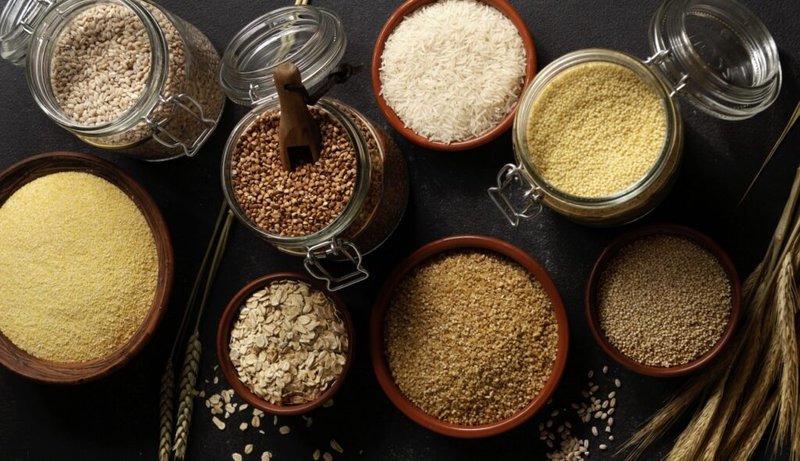
World production of feed grains
TOP-10 countries for coarse grain production (2025)
- USA
- China
- Brazil
- Argentina
- India
- Russia
- Ukraine
- France
- Canada
- Australia
The largest producers of coarse grain
The leaders in corn are the USA, China, Brazil.
The leaders in barley are Russia, Australia, the EU.
The leaders in sorghum are the USA, Sudan, Nigeria.
Export of coarse grain from Russia
This is a key part of the market.
Dynamics of forage exports from Russia 2023-2025
- 2023: +12 per cent
- 2024: +17 percent
- 2025: forecast +10-15%
Share in grain exports
The feed grain is 25-30% All Russian grain exports.
Where Russia exports fodder
The main buyers of Russian fodder (2025):
1. Turkey
the largest buyer of coarse wheat and barley;
Russian grain in Turkey accounts for more than 45% of imports.
2. Saudi Arabia
the main market for feed-barley;
stable demand due to large-scale livestock production.
3. Egypt, Iran, Algeria, Libya, Morocco
The North African region is actively buying coarse wheat.
4. South-East Asian countries
- Vietnam
- Bangladesh
5. New directions 2024-2025
- UAE
- Qatar
- Pakistan
- India
Barley exports from Russia
Importing countries:
Saudi Arabia – more than 60% of all exports;
• Turkey;
● China;
● Iran.
Features of coarse wheat exports
- Main ports of shipment: NovorossiyskTuapse, Taman.
- Quality certificates and phytosanitary documents are required.
Quality requirements for export
- humidity ≤ 14%
- lack of mycotoxins
- gluten below the food norm
- correspondence GOST "forage grain"
Logistics and shipping ports
- Novorossiysk – No. 1 port of grain export from Russia in 2025;
- Tuapse;
- Taman;
- Rostov-on-Don;
- Azov.
Import of feed grains to Russia
Despite the high yield, Russia still imports some crops:
Suppliers
- Kazakhstan - barley, wheat;
- Belarus - corn, oats;
- limited to sorghum and soybeans from third countries.
The main purpose of imports is to stabilize prices and load feed mills.
Prospects for the coarse grain market 2025–2030
Key trends:
- Strong demand from the Middle East and Africa.
- Stable purchases by Turkey and Saudi Arabia.
- Risks of quotas and export duties on feed crops.
- The growing importance of triticale, sorghum and oats.
- Increased yield due to new varieties.
Feed grains are the basis of the global feed industry. In 2025, Russia strengthens its position in the coarse grain market and increases exports of coarse wheat, barley and corn. Thanks to a high harvest, favorable prices and strong logistics, Russian feed grain continues to compete successfully in the world market.